Our response to the

Voices of the Wild

The Species Conservation and Protection of Ecosystems (SCOPE) Foundation is dedicated to safeguarding Bangladesh’s extraordinary biodiversity through science-based conservation. From wetlands and rivers to the mangroves of the Sundarbans, these ecosystems sustain both threatened species and the communities that depend on them.

We believe conservation must be rooted in research, guided by evidence, and connected to people. Through rigorous baseline studies and long-term monitoring, we identify threats and design data-driven solutions that turn science into measurable conservation outcomes. By fostering collaboration and engaging local communities, institutions, and government, SCOPE works to protect species, restore ecosystems, and cultivate a lasting culture of stewardship.

Delivering for nature

our_works_1

Coastal Wetlands

Critical habitat for globally threatened species

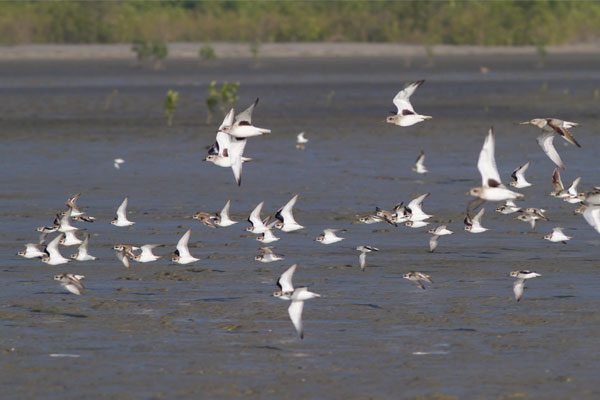
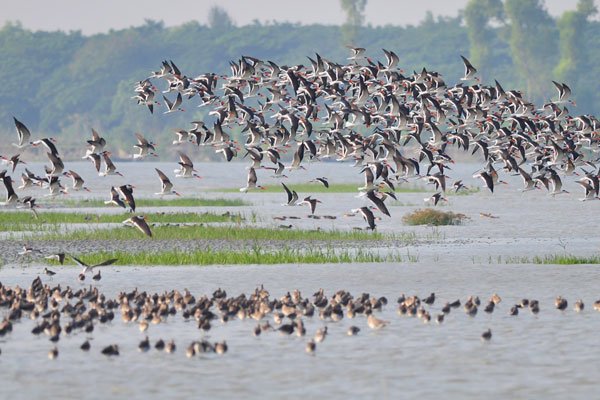
Bangladesh’s coastal wetlands, including intertidal mudflats, are among the most biologically rich and productive ecosystems in the world. They provide vital wintering habitats for migratory shorebirds such as the Critically Endangered Spoon-billed Sandpiper, while sustaining fisheries that millions of coastal people depend on for food and livelihoods. At SCOPE, we conduct systematic surveys to identify newly formed tidal flats, monitor migratory bird populations, evaluate threats including illegal hunting, and work with local communities and government agencies to reduce impacts and safeguard these critical ecosystems.

our_works_4

Freshwater Wetlands

Irreplaceable ecosystems sustaining biodiversity and livelihoods

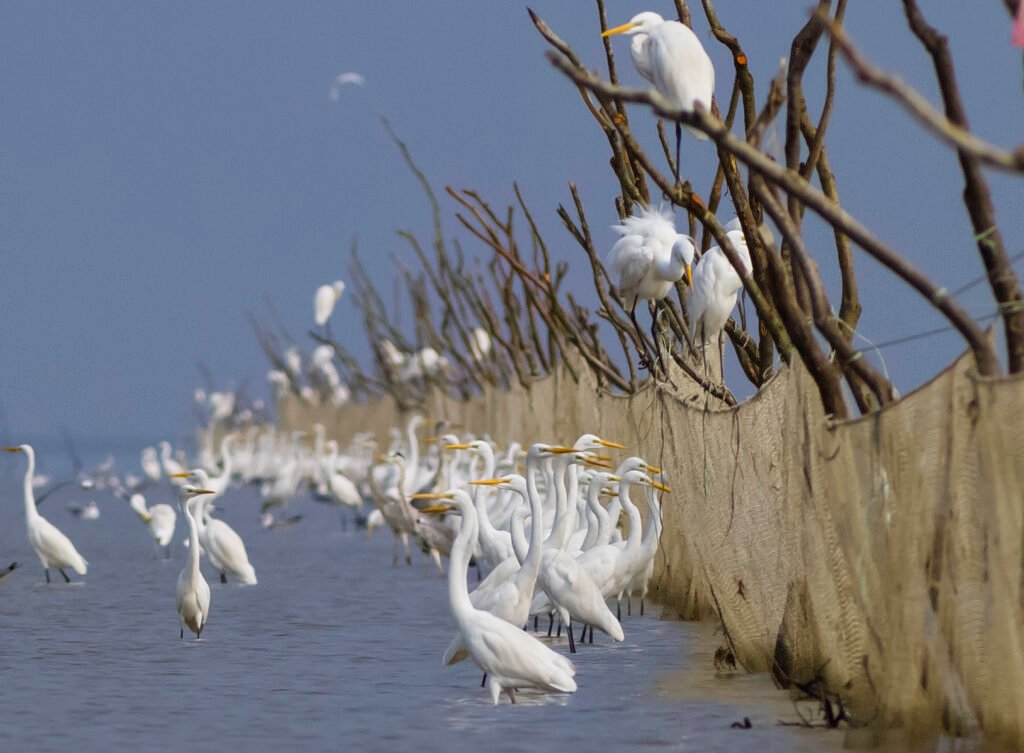
Freshwater wetlands (haors) of Bangladesh are vital for both biodiversity and people. They host tens of thousands of wintering migratory waterbirds and passerines, while providing refuge for globally threatened species such as the Endangered Pallas’s Fish-eagle, the elusive Large-billed Reed Warbler, and the Vulnerable Fishing Cat. At the same time, these wetlands sustain productive fisheries and underpin the livelihoods of local communities.

Sayam U. Chowdhury_Sundarbans

The Sundarbans

The world’s largest single block of mangrove – globally unique ecosystem

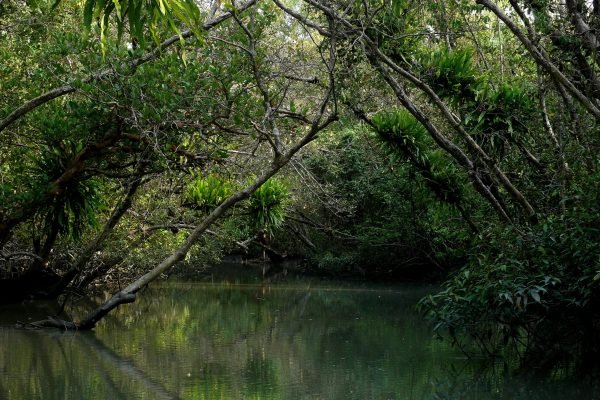
The Sundarbans, the world’s largest mangrove forest and a UNESCO World Heritage Site, supports at least 300bird species, including 28 globally threatened species. It holds the only known resident breeding population of the Critically Endangered Masked Finfoot (40–80 pairs), making it globally irreplaceable. Other threatened species include Near Threatened Lesser Adjutant and Mangrove Pitta. At SCOPE, we monitor the Masked Finfoot and avifauna across ecological zones, assess threats, and work with communities and government to safeguard this unique ecosystem.

IMG_9433

River & Grassland

Neglected ecosystems vital for threatened birds and biodiversity

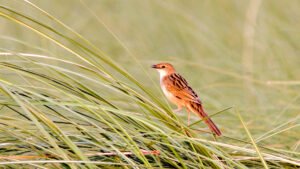
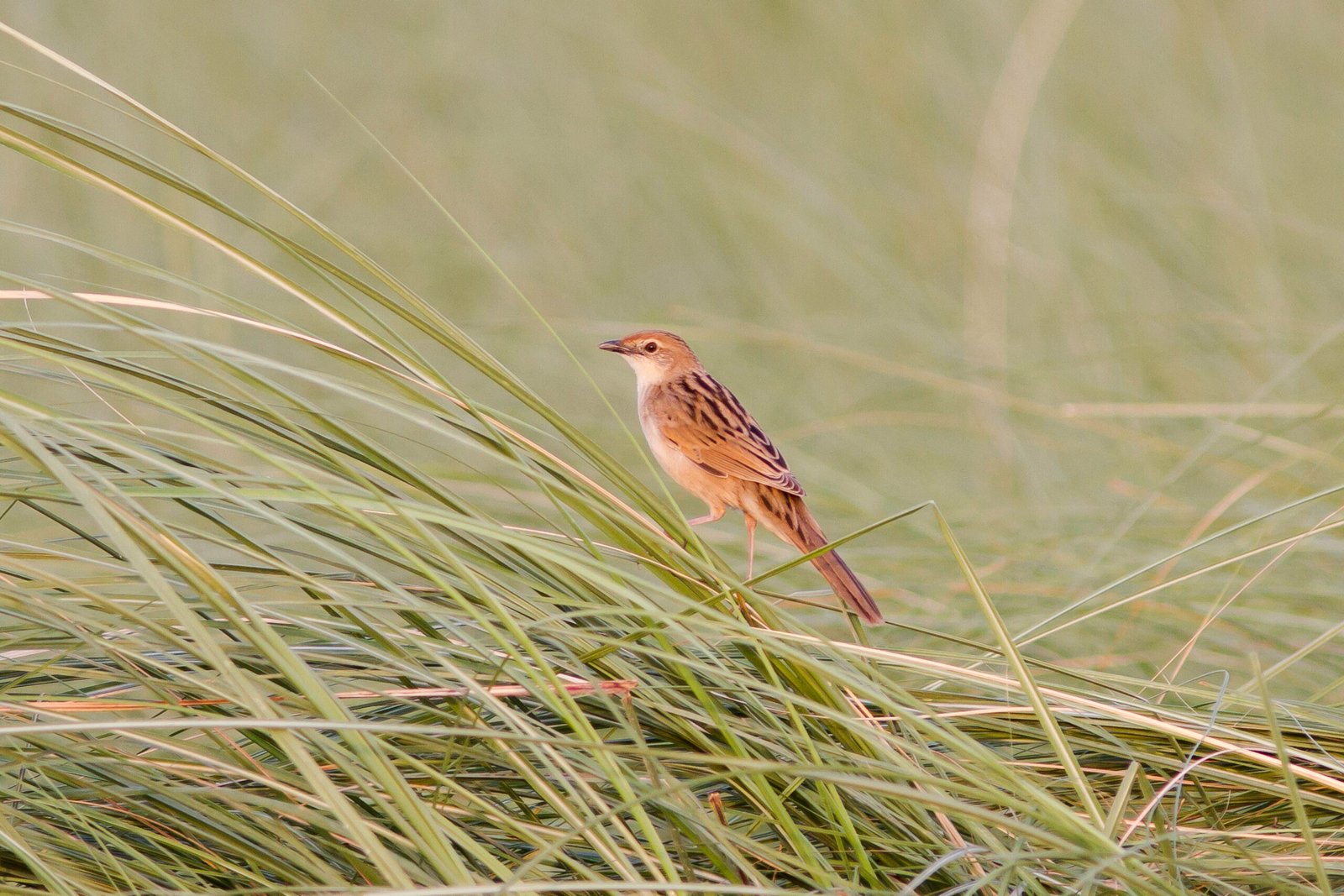
Bangladesh’s riverine and grassland ecosystems are dynamic habitats of global importance, yet among the least prioritised for conservation. River sandbars and chars along the Padma and Jamuna rivers provide critical breeding sites for the Endangered Black-bellied Tern and Indian Skimmer, while floodplain grasslands dominated by Saccharum spontaneum support the globally Vulnerable Bristled Grassbird, Critically Endangered Yellow-breasted Bunting and other species of concern. At SCOPE, we monitor bird populations, assess threats from agriculture, grazing and disturbance, and advocate for the establishment of new protected areas.

Movement & Connectivity

Understanding migratory birds’ movement ecology

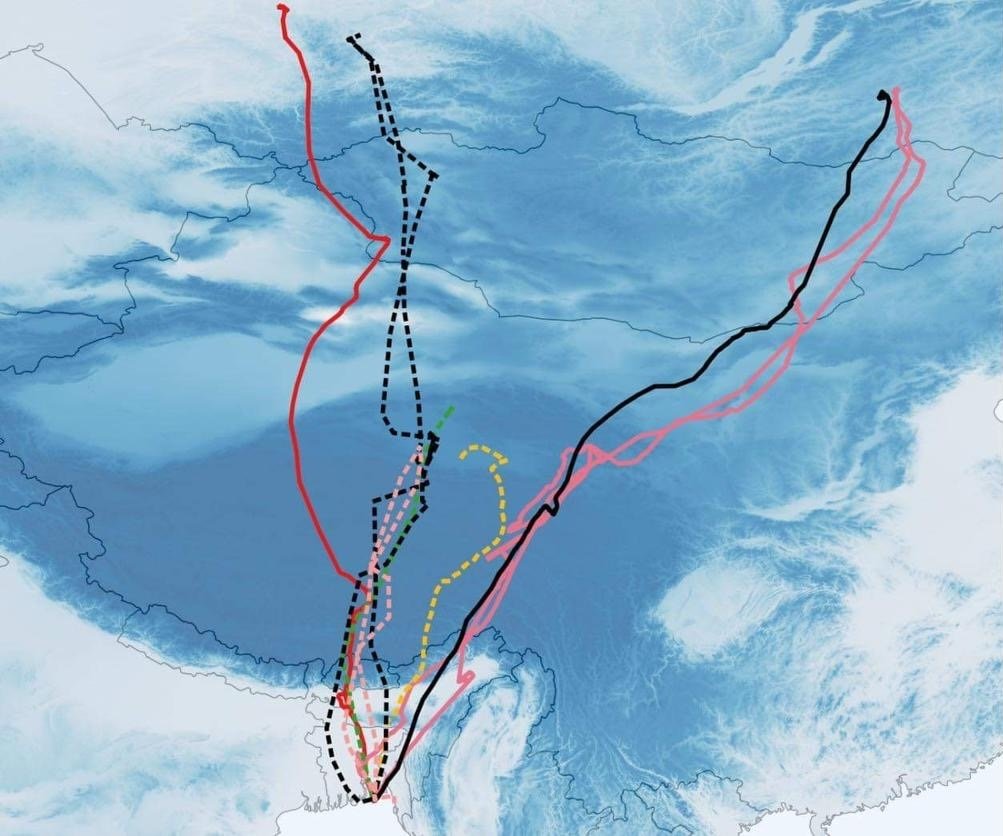
Migration is one of the most fascinating phenomena in the natural world. To advance science and protect migratory birds, we must first understand their journeys. At SCOPE, we study the movement ecology of migratory species to reveal how they use habitats across Bangladesh and along the Asian Flyways. By deploying cutting-edge tracking devices and leg-flags, we monitor birds remotely, uncovering their ranging behaviour, key stopover sites, and habitat use. These insights guide conservation priorities, highlight critical sites for protection, and foster international collaboration to safeguard migratory species across their entire range.

Species Science & Conservation

Evidence-based action for threatened species

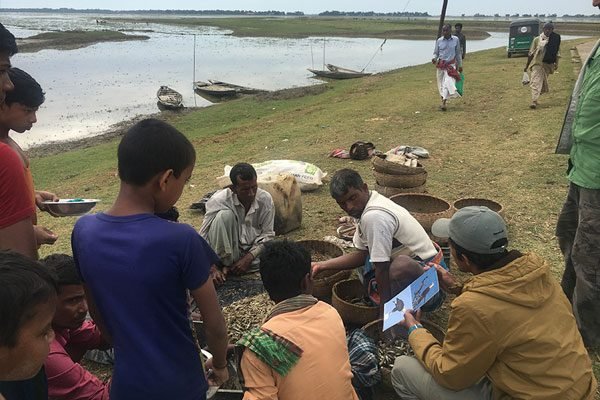
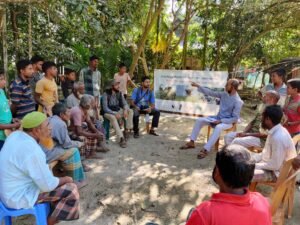
Effective conservation begins with science – diagnosing problems to design evidence-based interventions. At SCOPE, we study endangered species such as the Spoon-billed Sandpiper, Masked Finfoot, and other threatened birds and mammals. Our fieldwork generates critical data that informs local and national conservation strategies, ensuring that actions are targeted and effective. Where appropriate, we also engage local communities in practical solutions – such as our nest guardian programme to reduce threats and secure better outcomes for species and ecosystems.

Our impact

km of waterways and 55 coastal sites monitored annually
0 +
ha tidal flat protected as Flyway Network Site
0 +
scientific papers published
0 +
ha of riverine habitat proposed for protection
0 +
local people reached out with conservation messages
0 +
people engaged via social media
0 k

Latest News

Masked Finfoot: A Rare Jewel of Bangladesh’s Wetlands

The Masked Finfoot (Heliopais personatus) is one of the most elusive waterbirds in Asia, and Bangladesh remains one of its last strongholds. Known for its striking facial markings and secretive habits, the species is now classified as Endangered due to habitat loss and disturbance.
Read More »

Every voice matters in the fight for nature
let yours be part of the change.