Bristled Grassbird

Key species

Bristled Grassbird

Location

Large Rivers

Status

Completed

Duration

2016–2019

Target community

Science | Policy

About the project

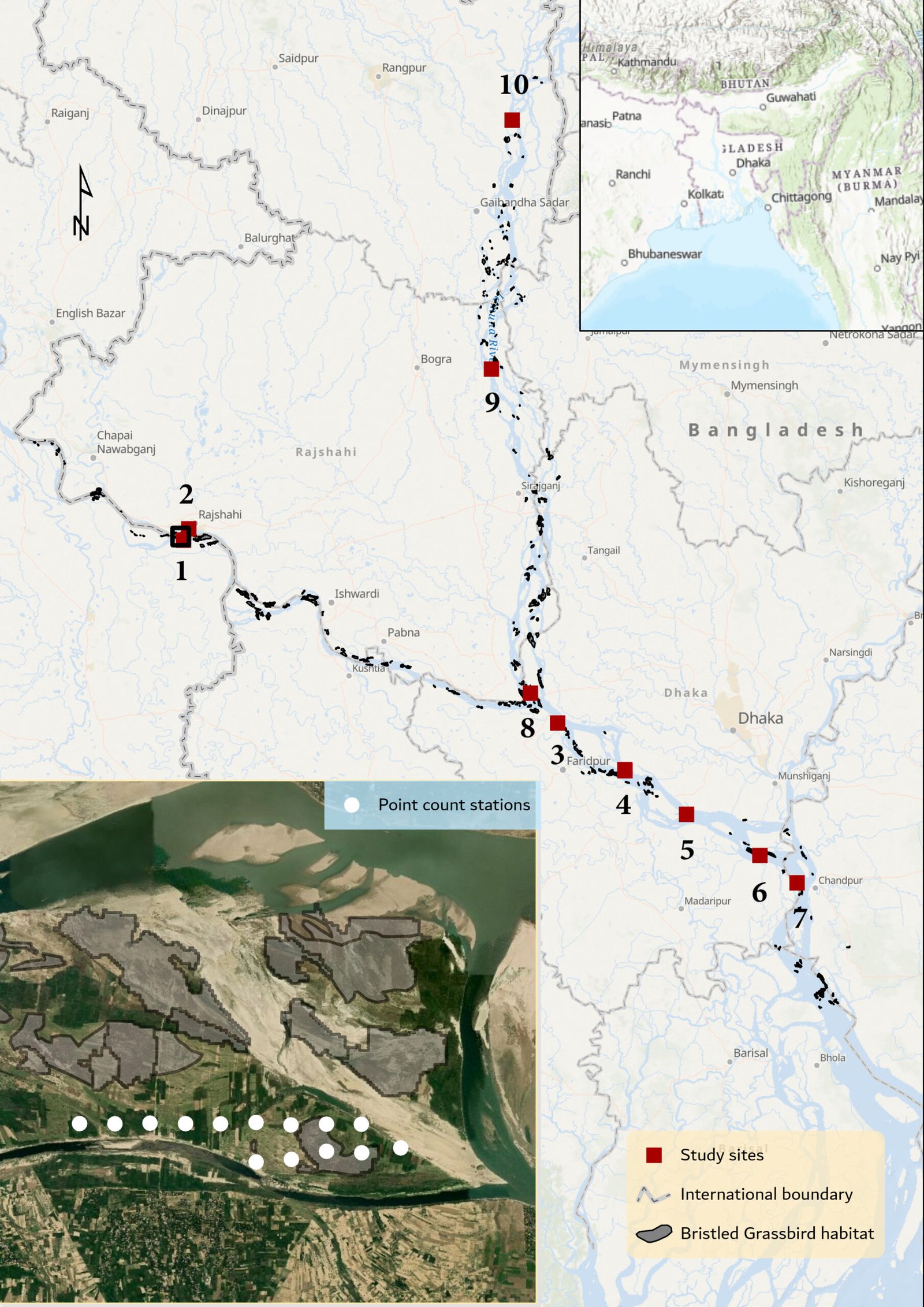
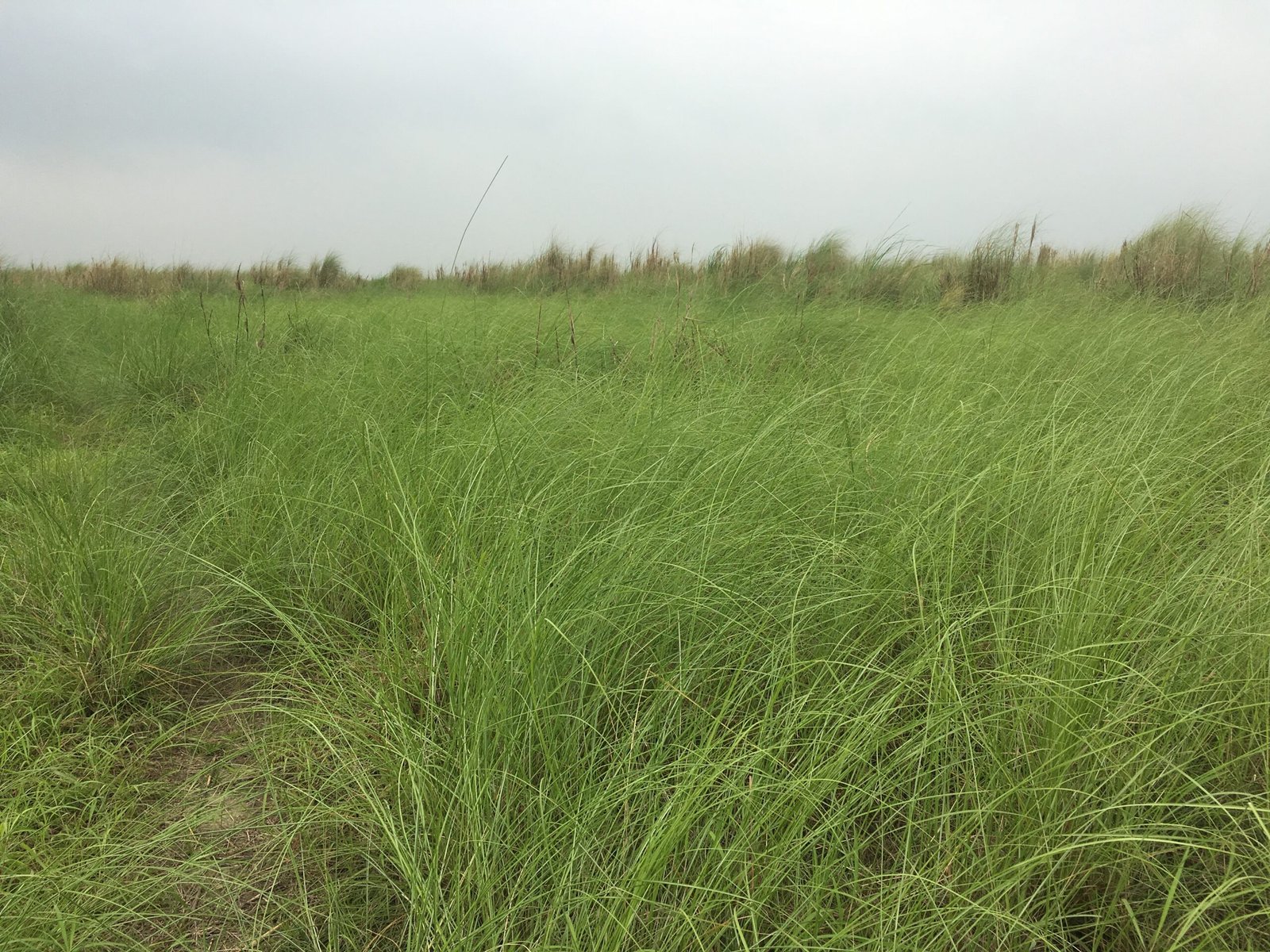
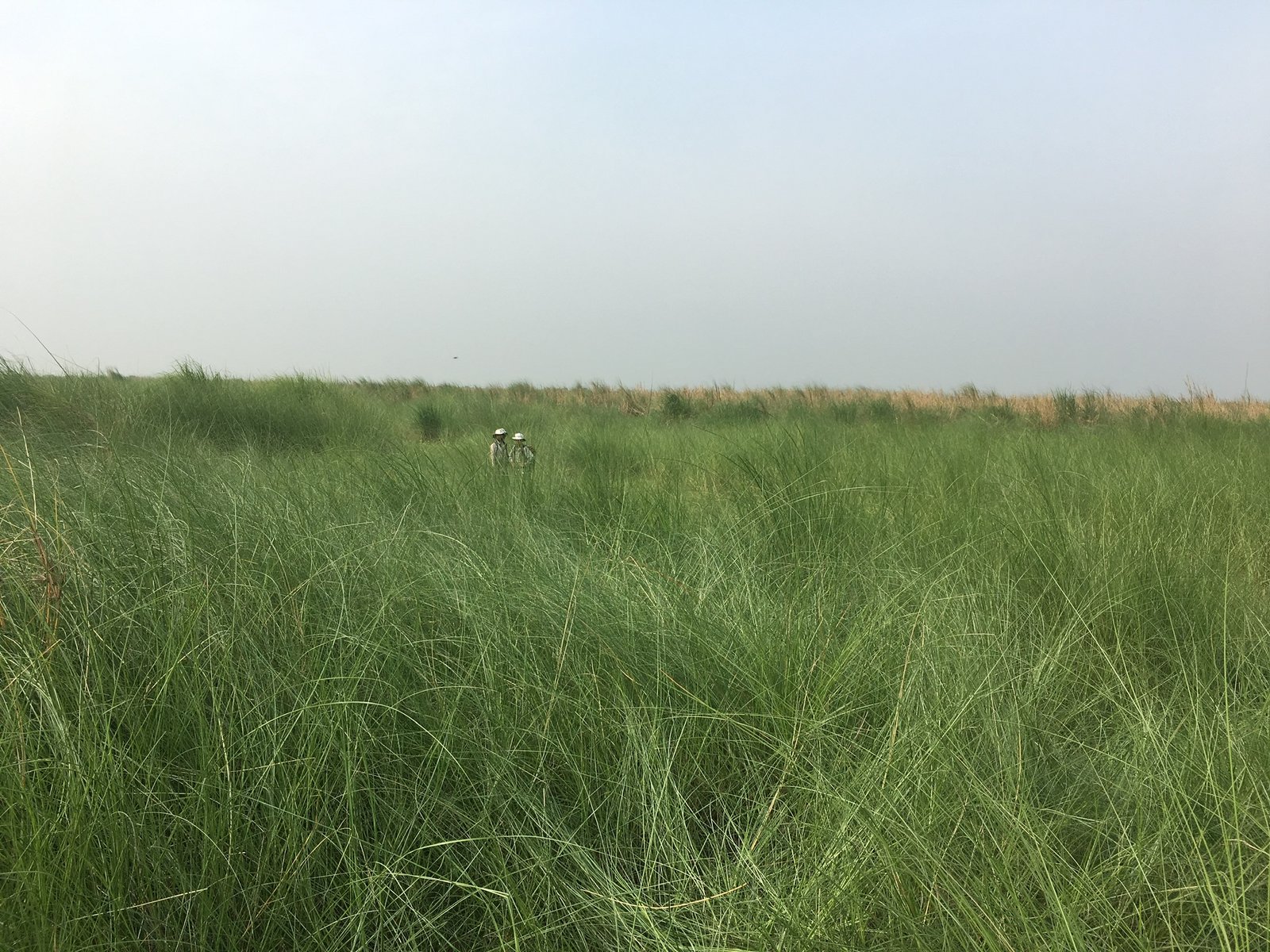
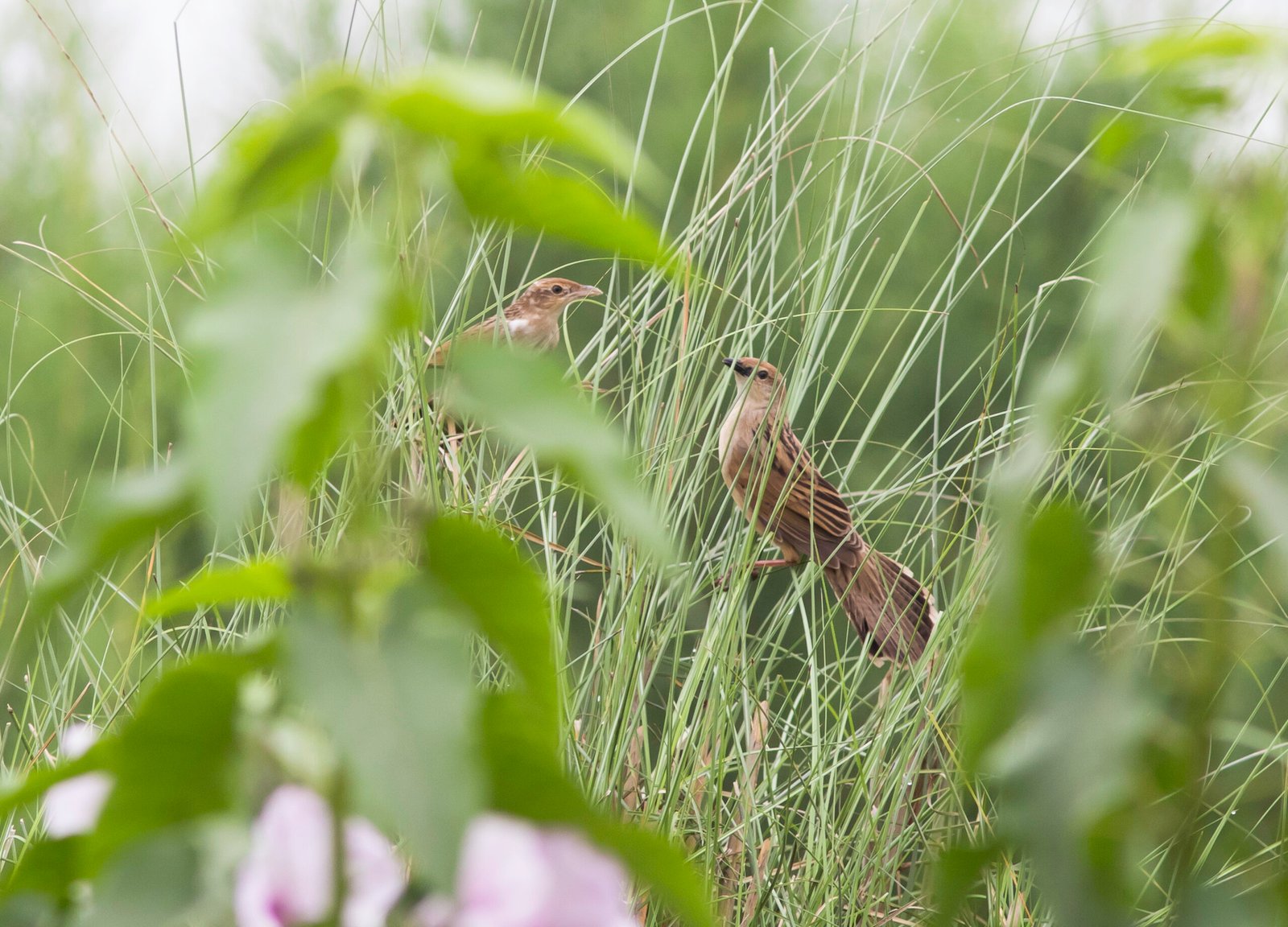
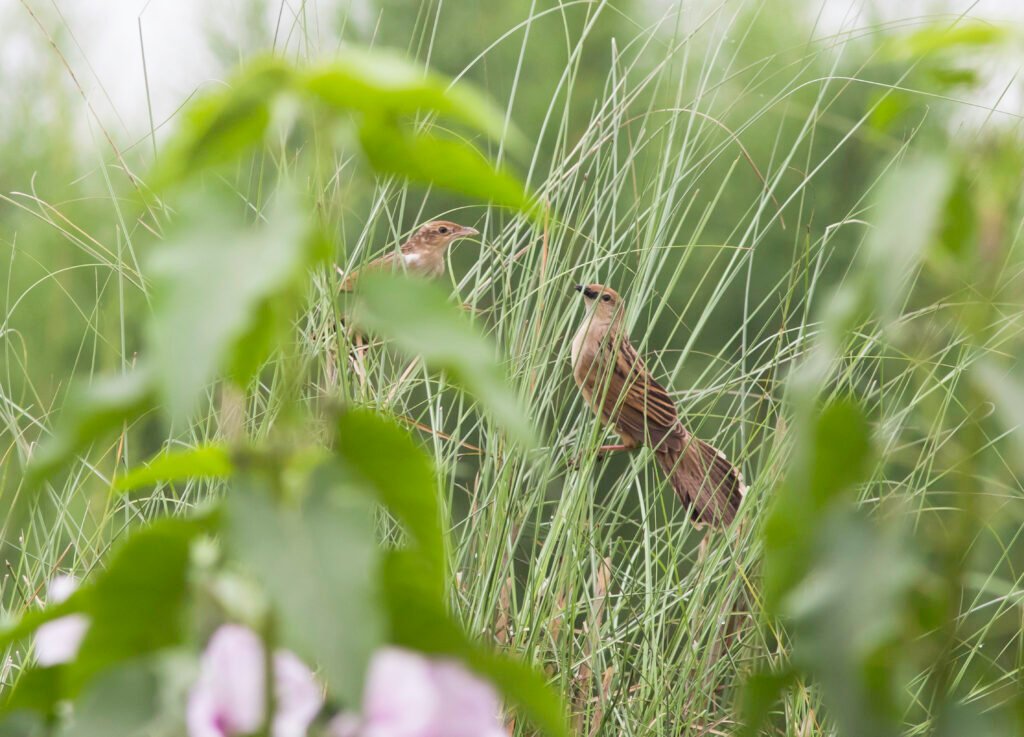
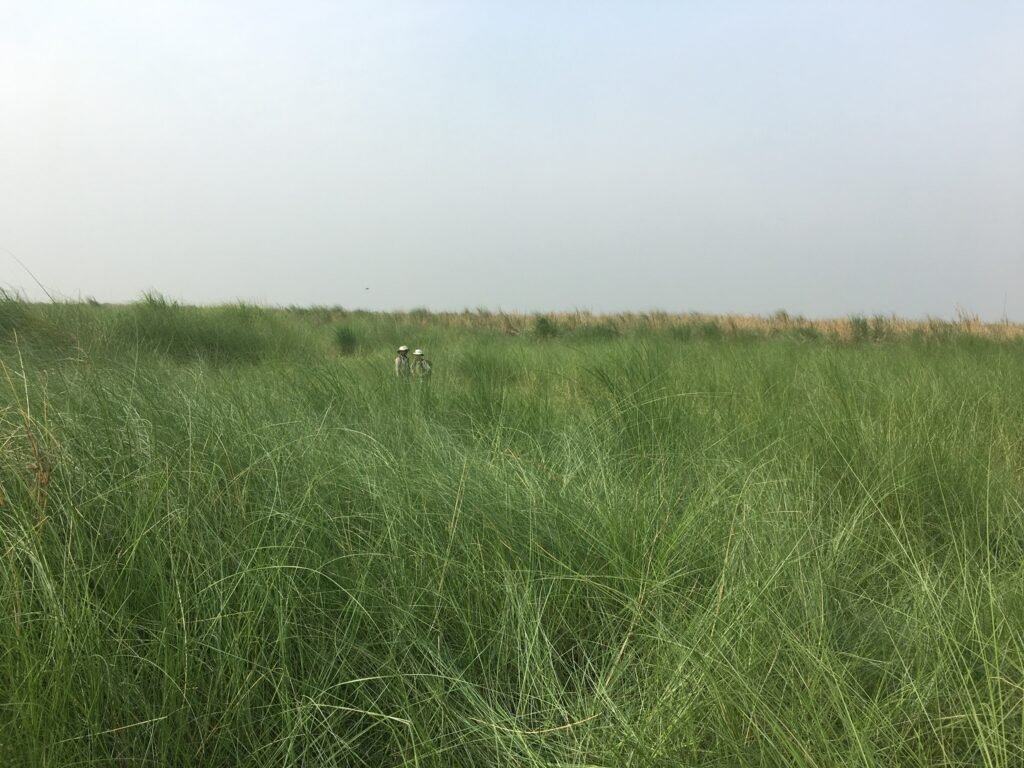
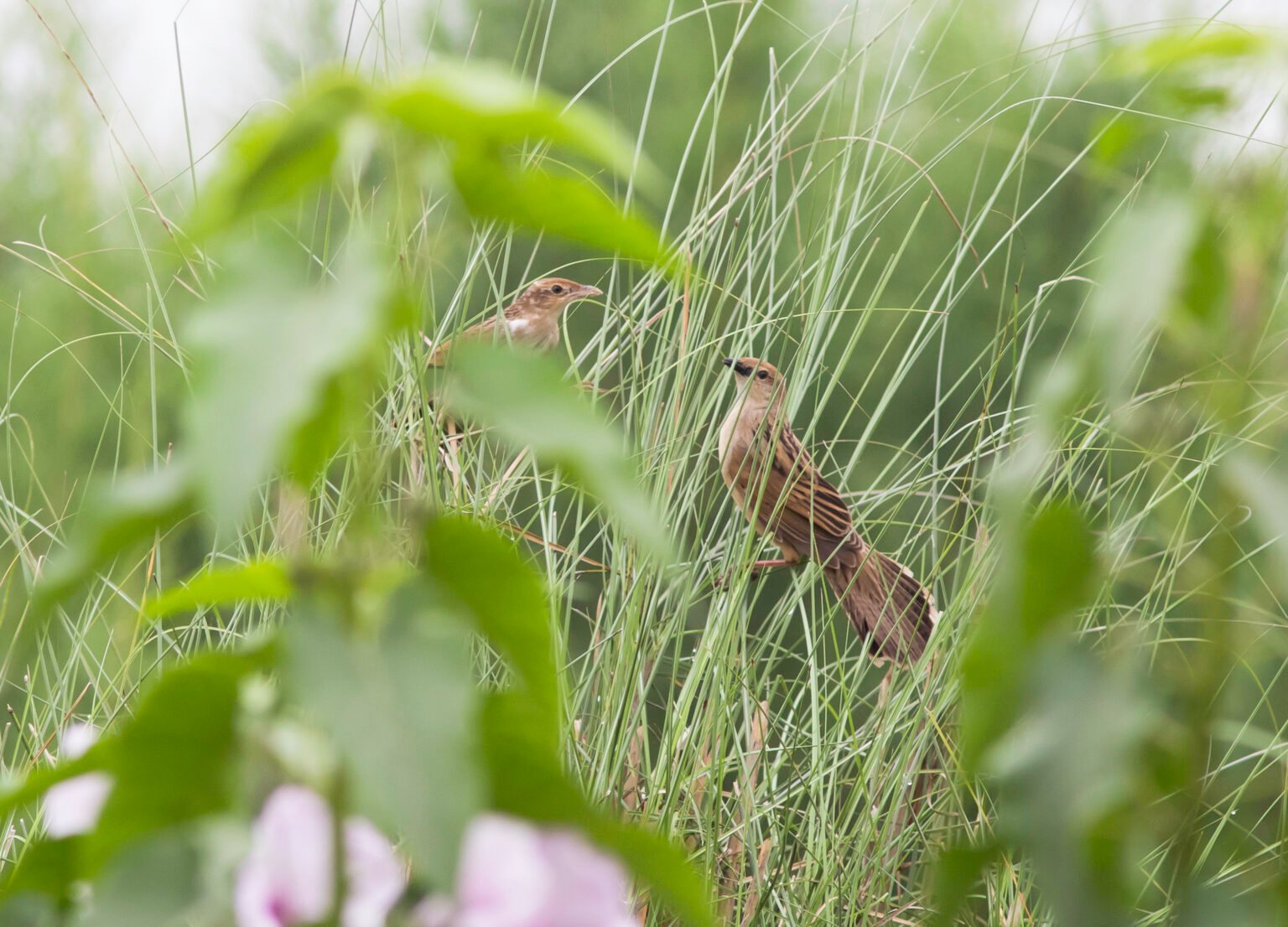
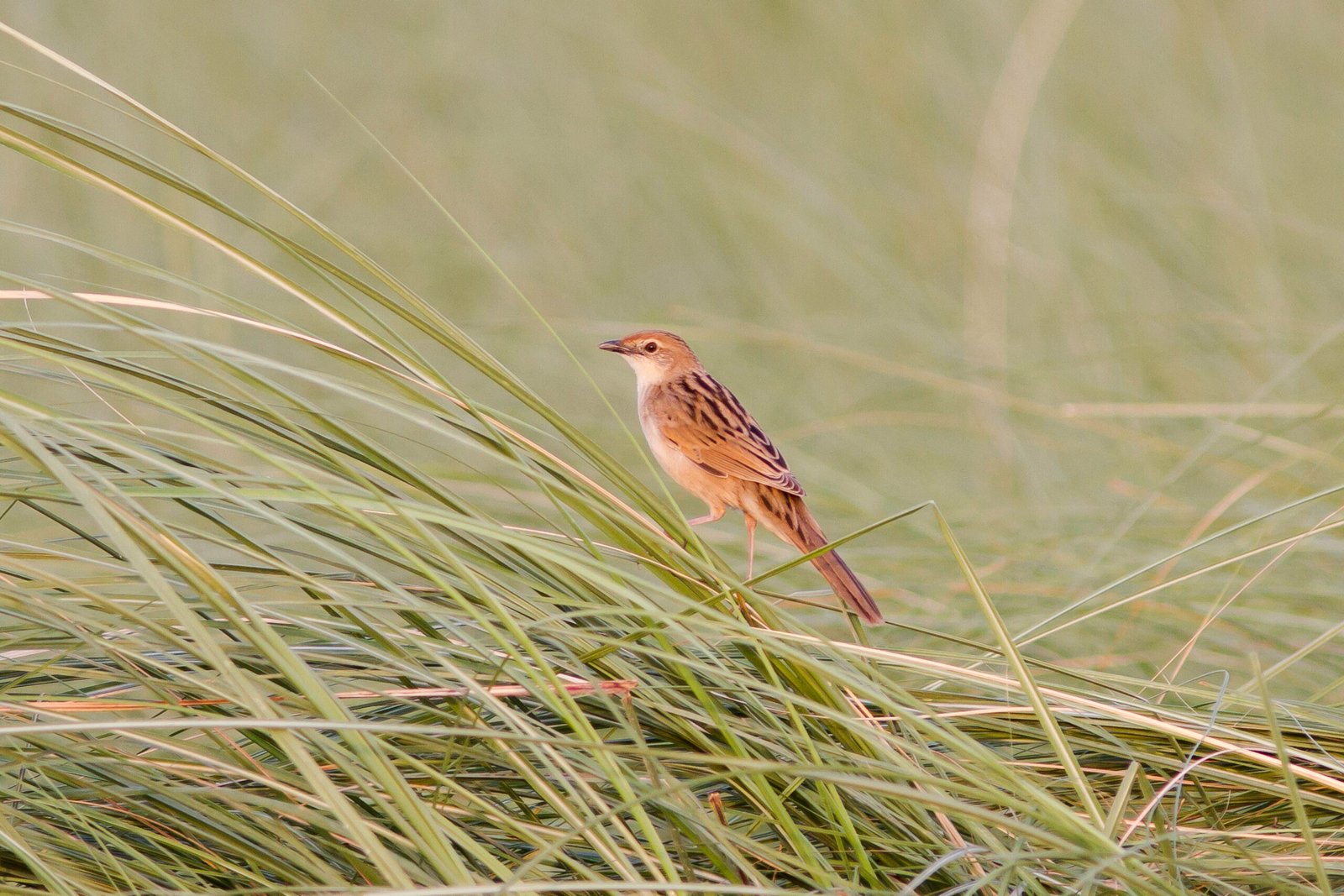
The Bristled Grassbird (Chaetornis striata) is a globally Vulnerable passerine species strongly associated with tall floodplain grasslands dominated by Saccharum spontaneum. Across South Asia, these dynamic riverine grasslands have declined rapidly due to agricultural expansion, river engineering, grazing pressure and habitat conversion. In Bangladesh, knowledge of the species was historically limited, with little understanding of its population size, distribution, and habitat requirements.

Recent research led by SCOPE in the Padma–Jamuna river system revealed that Bangladesh supports a nationally significant population of the species. Surveys estimated between approximately 443 and 1,294 individuals within the riverine grasslands of central Bangladesh, representing a substantial proportion of the global population. These findings elevated the conservation importance of Bangladesh’s riverine floodplain habitats.

The problem

– rapid loss and degradation of riverine floodplain grasslands in Bangladesh

– Bristled Grassbird dependent on tall grass habitats that are highly dynamic and under pressure

– limited scientific understanding of population size and distribution to guide conservation

The cause

– conversion of grasslands to agriculture, grazing and burning

– alteration of natural river dynamics and habitat structure

– lack of systematic surveys and ecological research

The solution

– conduct standardised surveys to estimate population size and map priority habitats

– analyse habitat characteristics and site-specific threats

– provide science-based recommendations for grassland conservation and long-term monitoring

Project Goal

To generate robust scientific evidence on the population status, distribution, and habitat requirements of the Bristled Grassbird in Bangladesh in order to inform conservation planning and long-term management of riverine grasslands.

Project Objectives

– estimate population size within key river systems of Bangladesh

– identify priority grassland habitats and assess their ecological characteristics

– understand habitat associations and site-level drivers influencing species presence

– provide science-based recommendations for grassland conservation and site protection

Activities

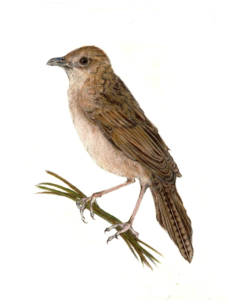
Bristled Grassbird illustration by Tania Zakir

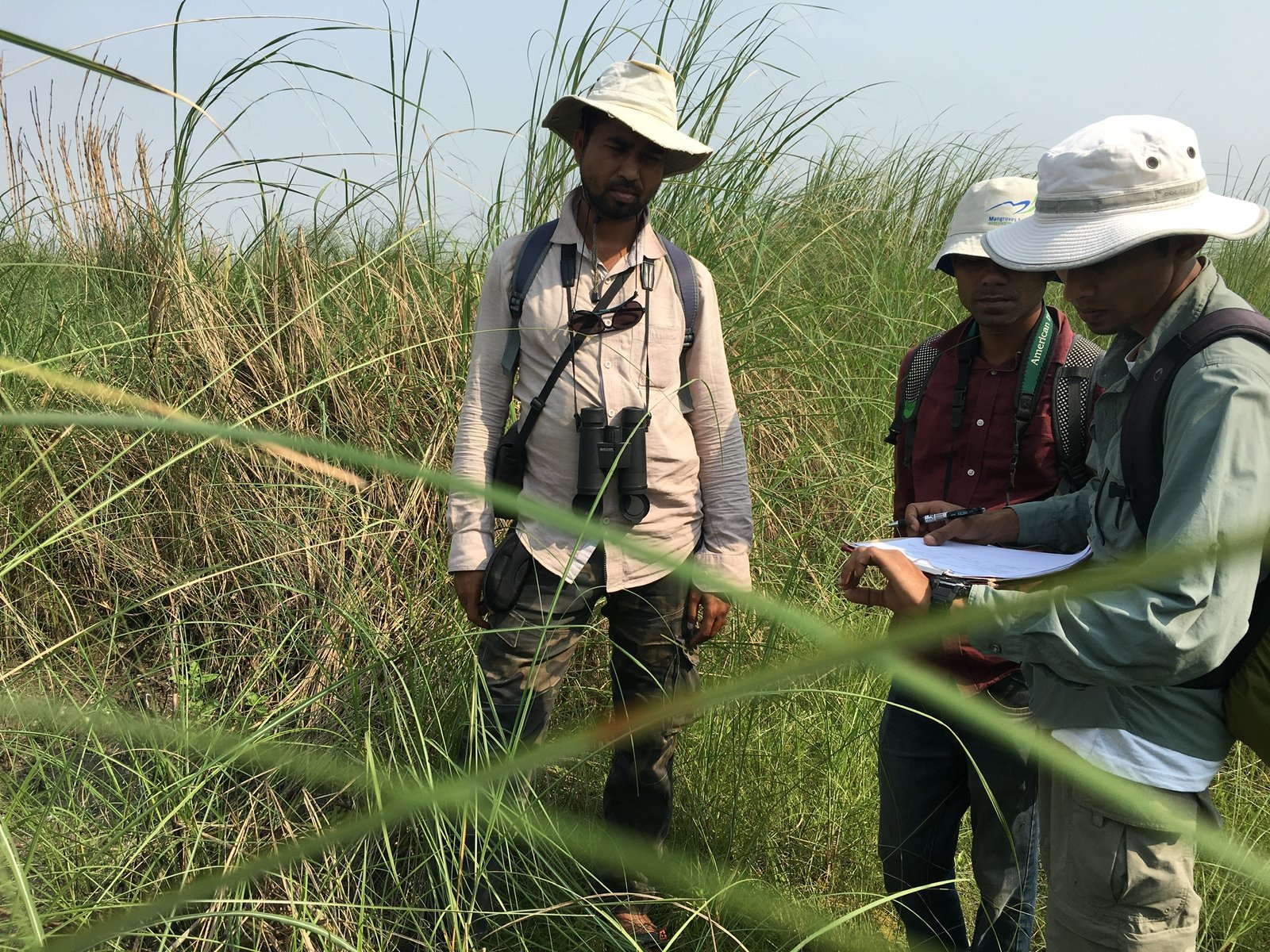
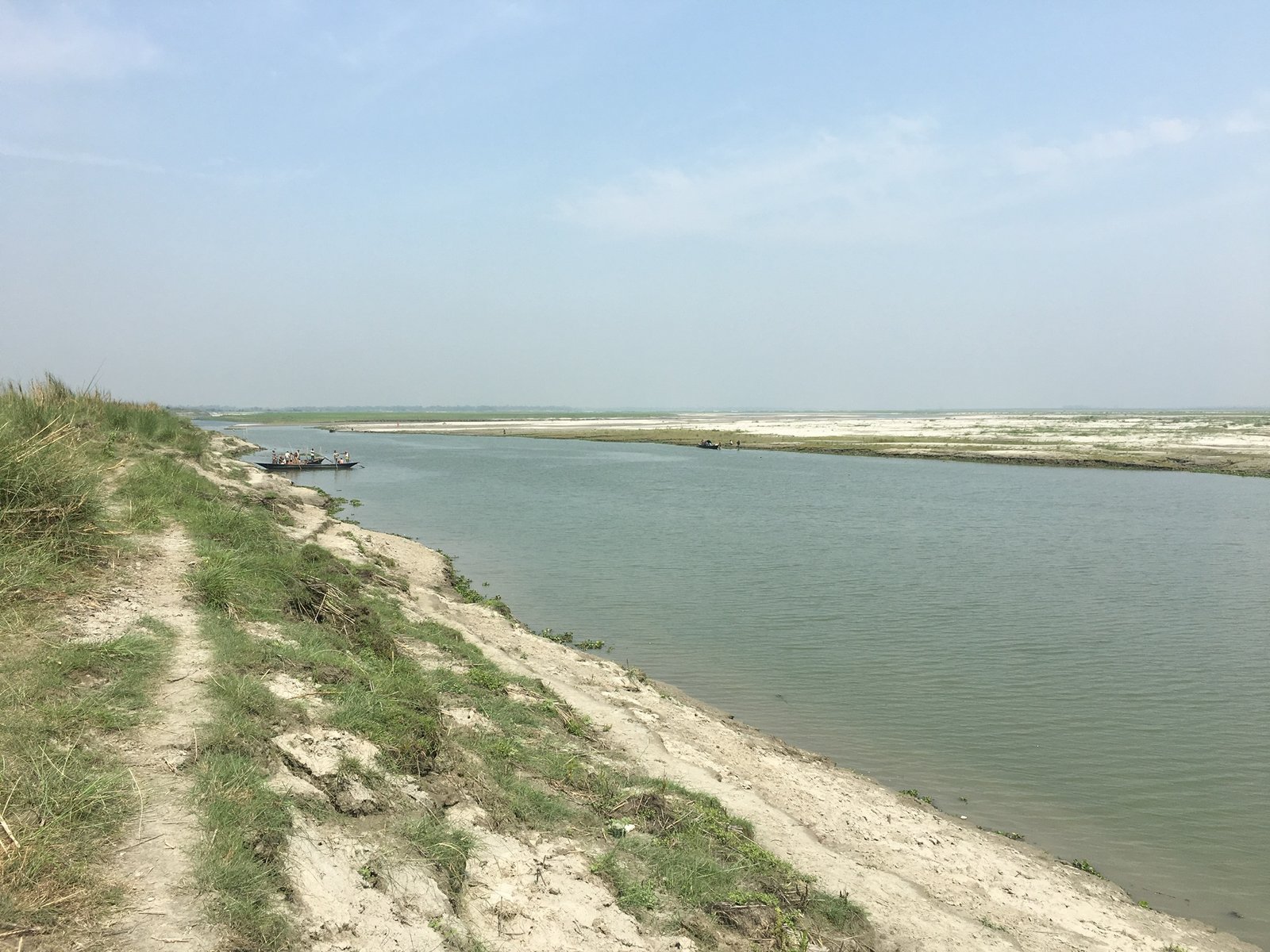
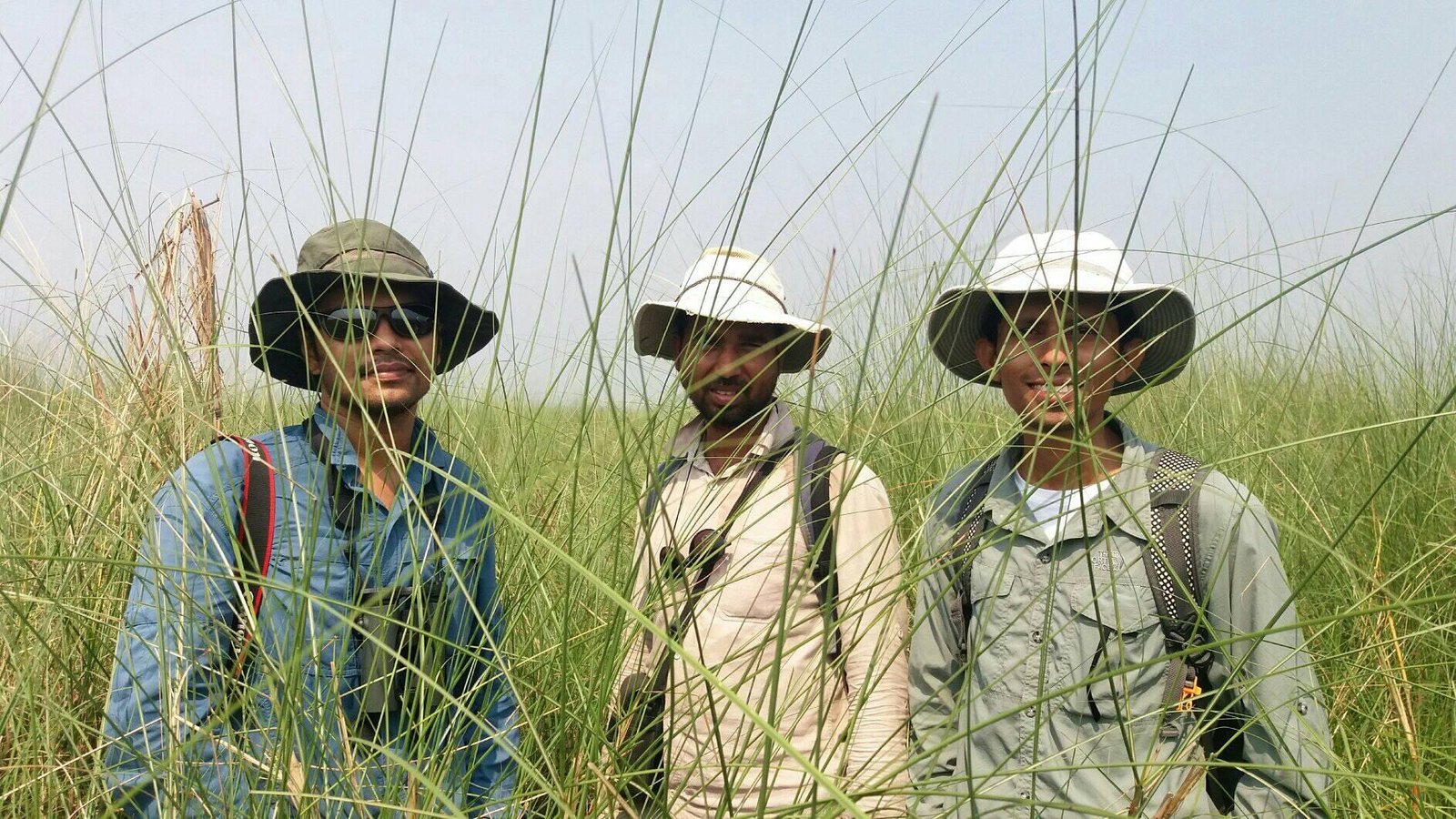
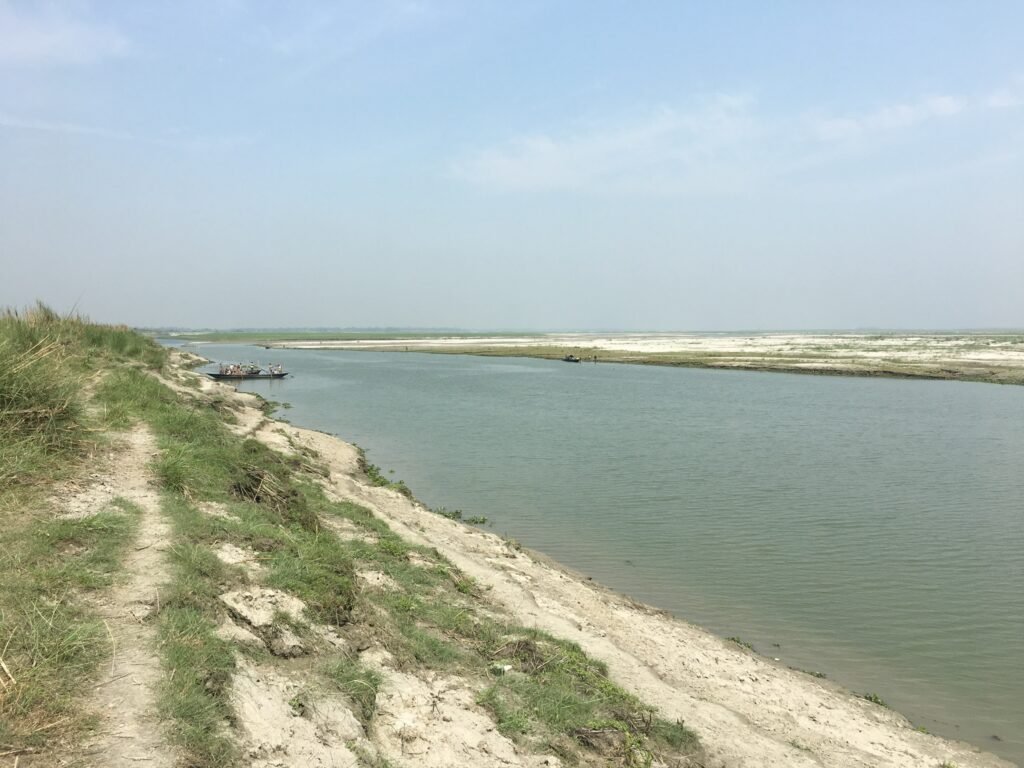
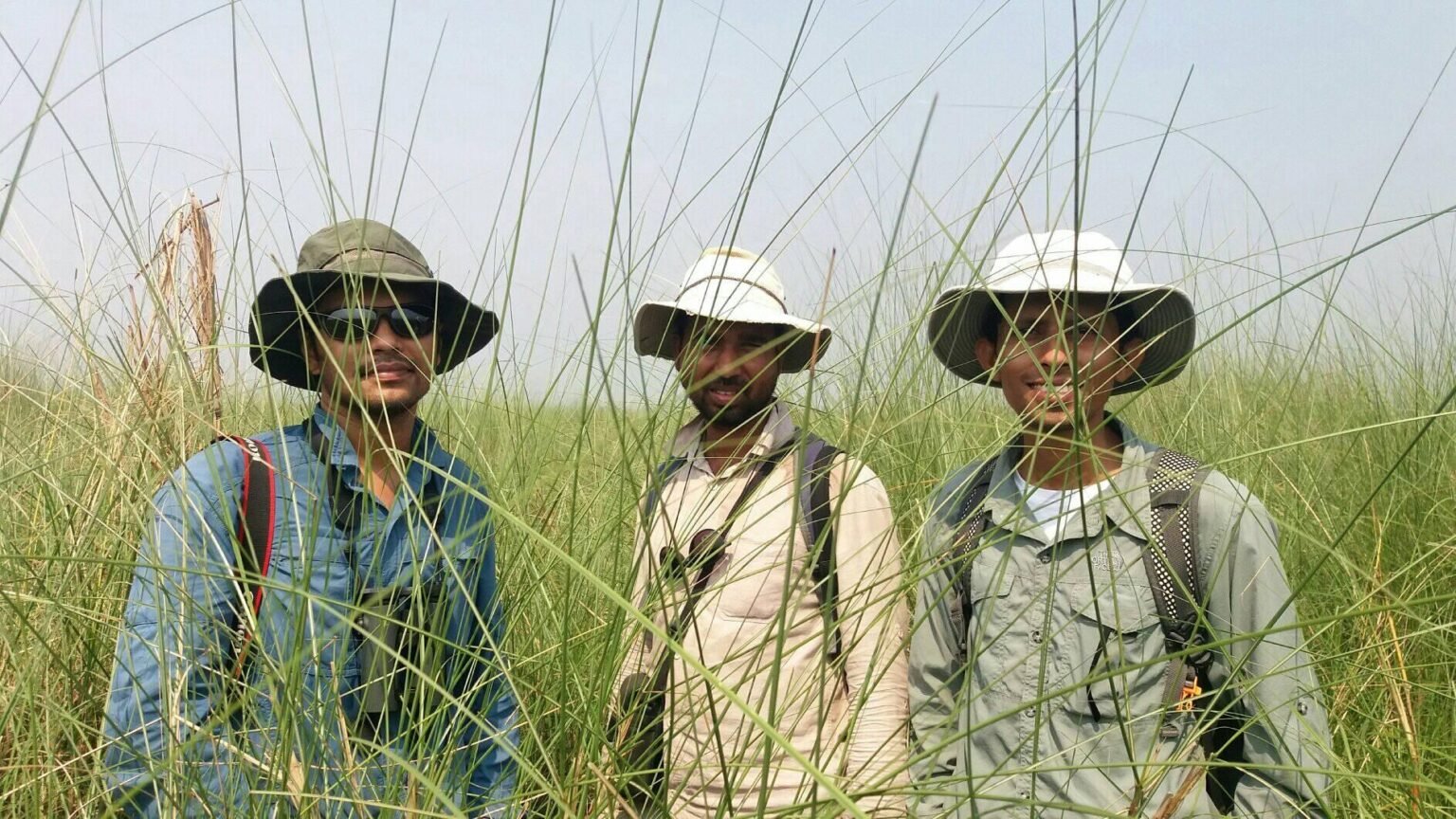
The project conducted systematic field surveys across riverine sandbars and floodplain grasslands within the Padma–Jamuna system using standardised transect and detection methods. Habitat variables such as grass height, vegetation structure and disturbance intensity were recorded to understand ecological preferences. Spatial analysis was used to map species occurrence and identify strongholds. The research also assessed anthropogenic pressures, including grazing, burning and land conversion, to evaluate threats at site level.
 

Outcomes

The project produced the first robust population estimate of the Bristled Grassbird in Bangladesh and confirmed the Padma–Jamuna floodplain as a globally significant stronghold for the species. It identified specific grassland characteristics associated with higher occupancy, providing critical ecological insights for habitat management. The findings highlighted the conservation importance of dynamic riverine grasslands, which have historically received limited protection attention compared to forests and wetlands.

The research strengthened the scientific basis for advocating grassland conservation within national biodiversity planning and provided a foundation for future monitoring and policy engagement.

Meet the Team

SCOEP Team

Riverine Project

Image Library

Our Partners and Donors

Facebook
LinkedIn
X