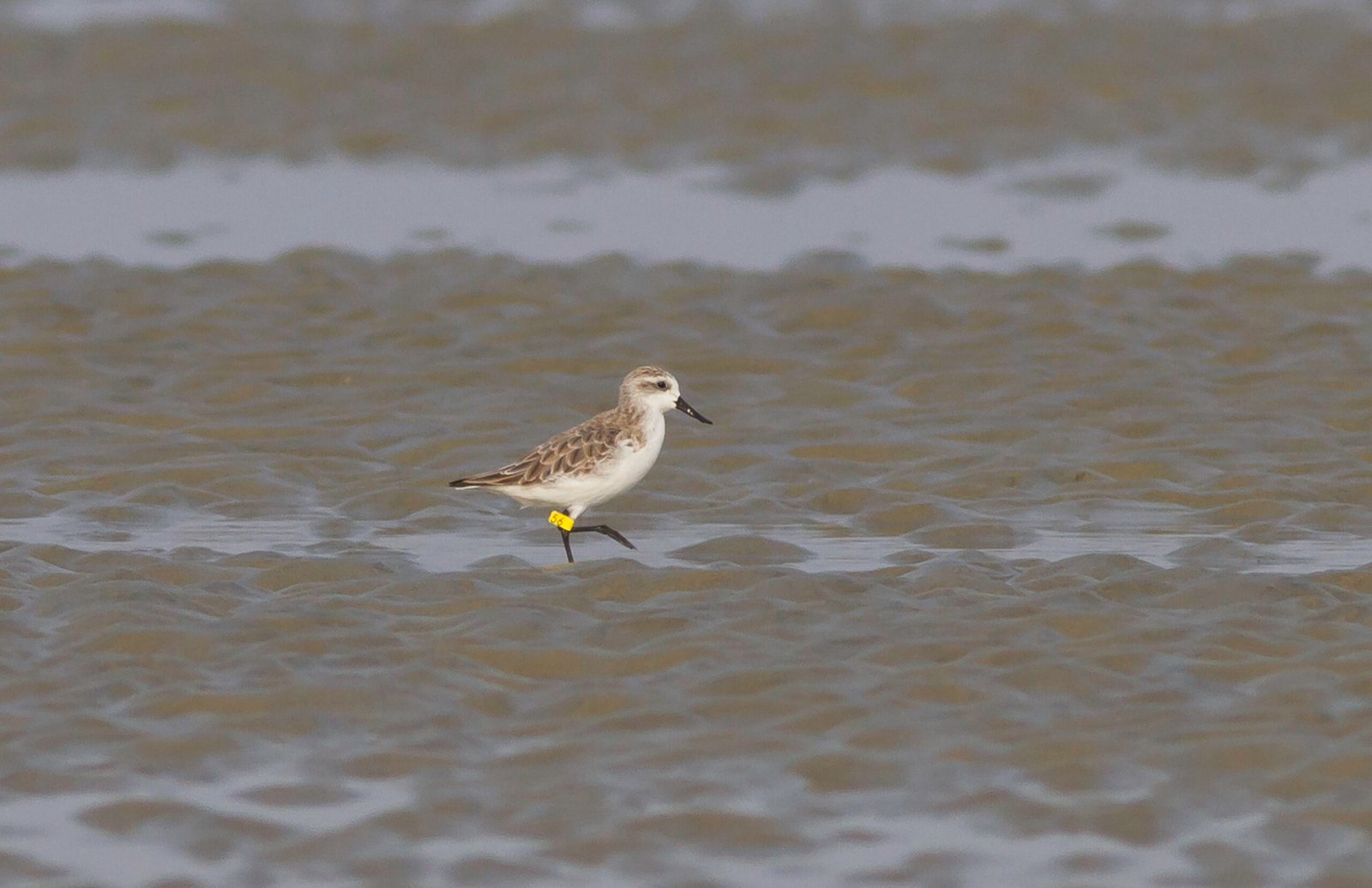
Our Long-term Monitoring project focuses on the regular and systematic monitoring of migratory waterbird populations along the coast of Bangladesh. The project builds on the legacy of the Asian Waterbird Census (AWC), which began in Bangladesh in the mid-1980s. SCOPE Foundation has been actively involved in this work for over a decade, strengthening survey design, spatial coverage and data quality.
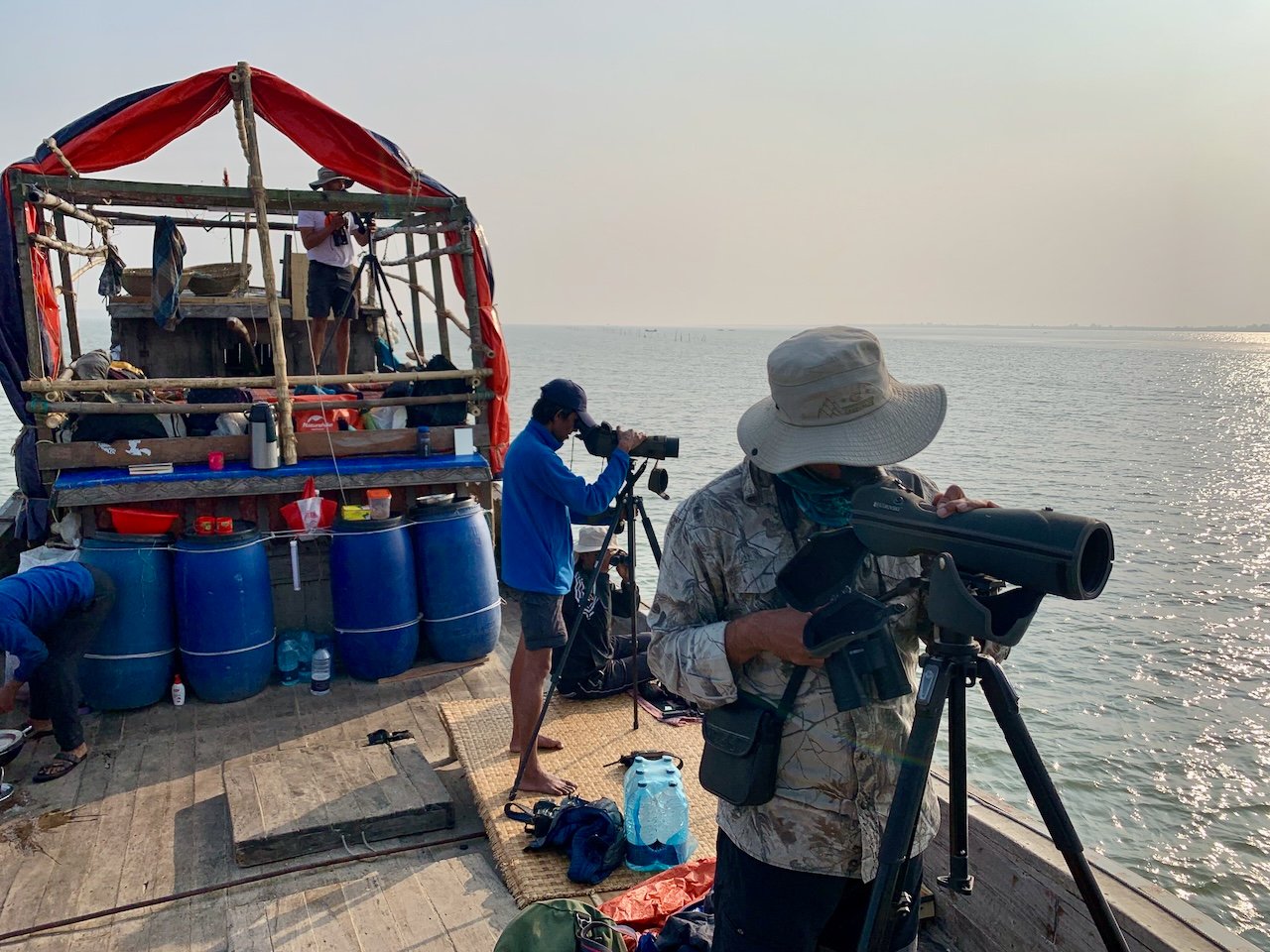
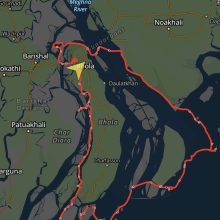
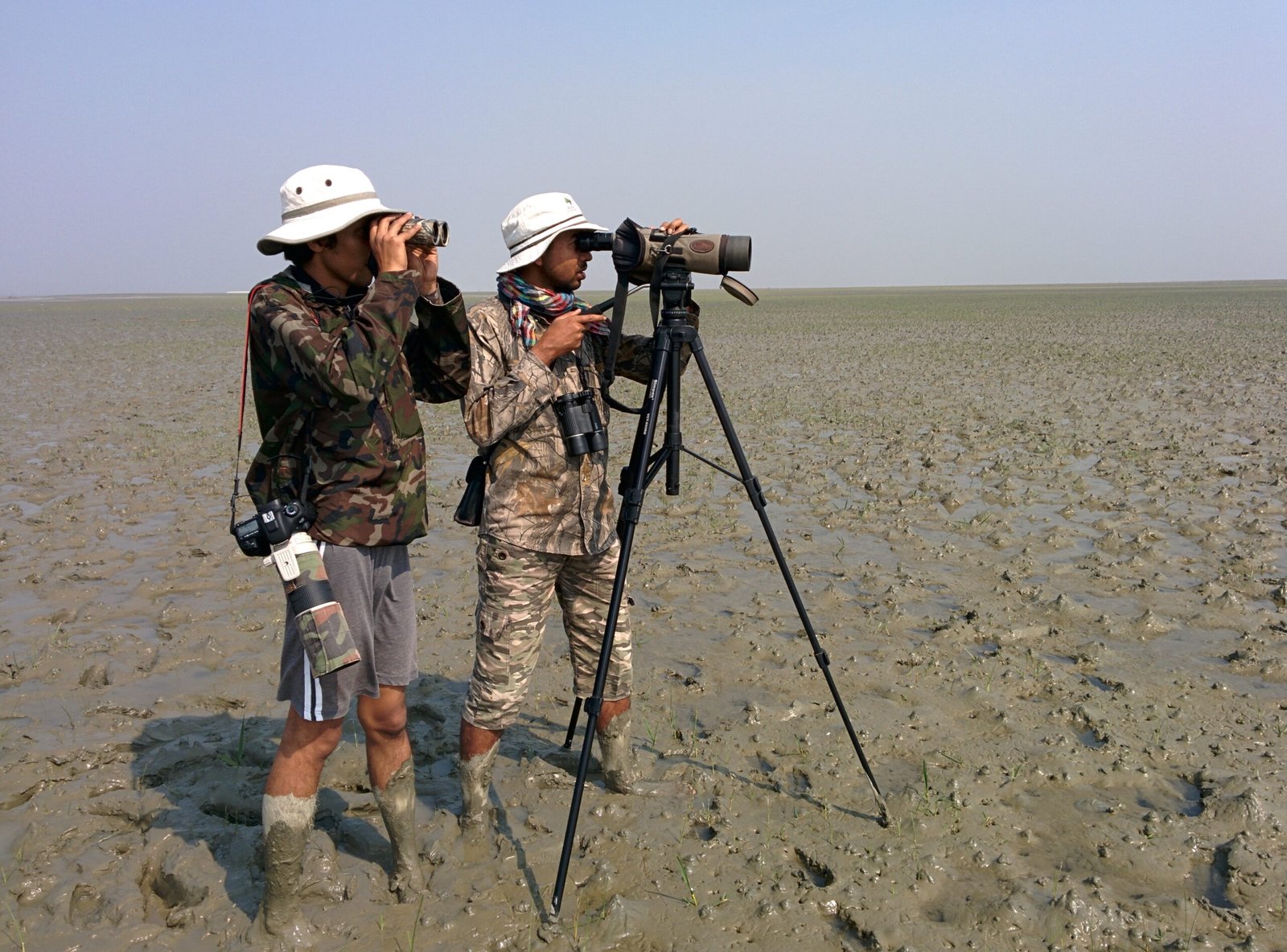
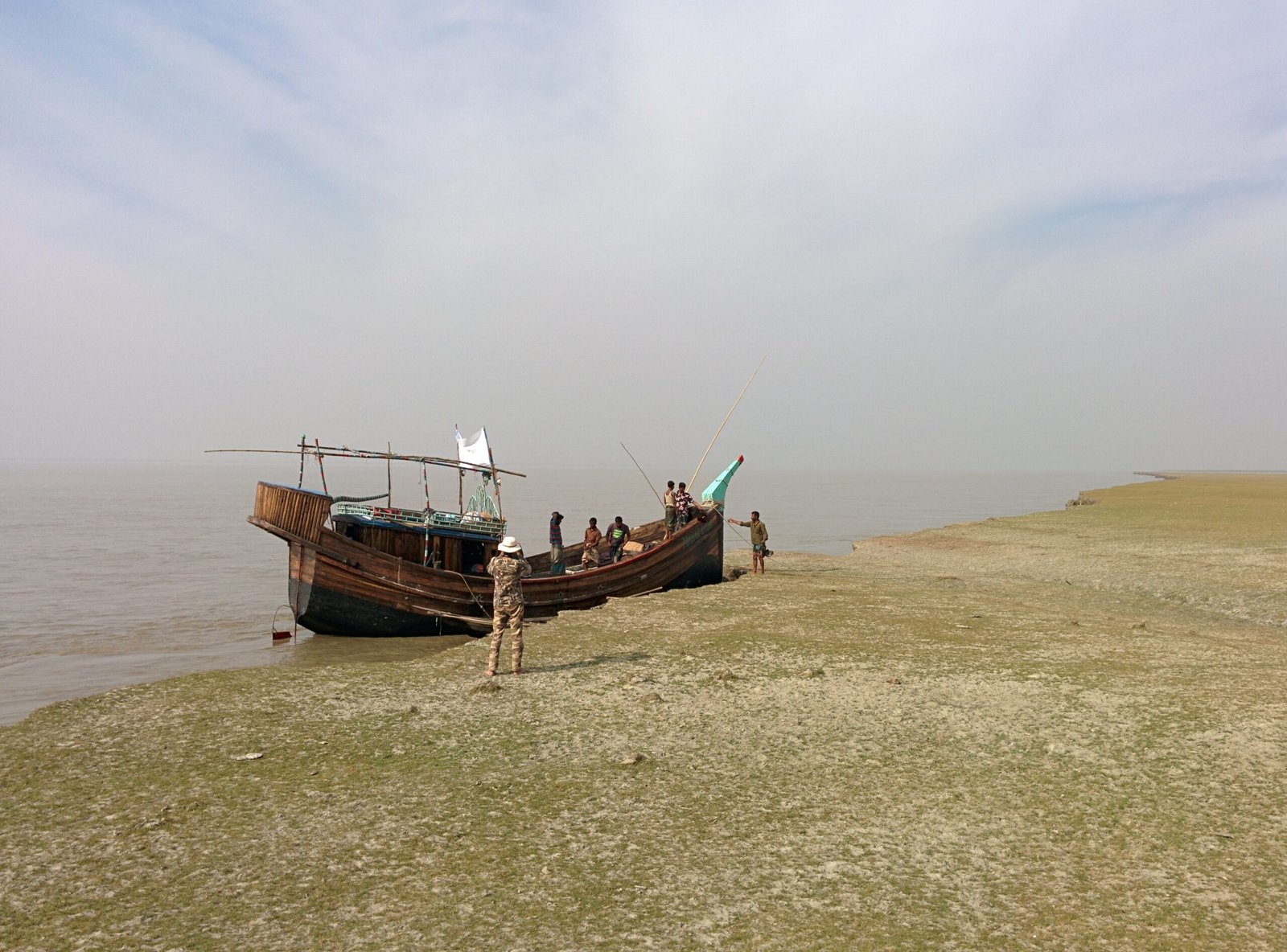
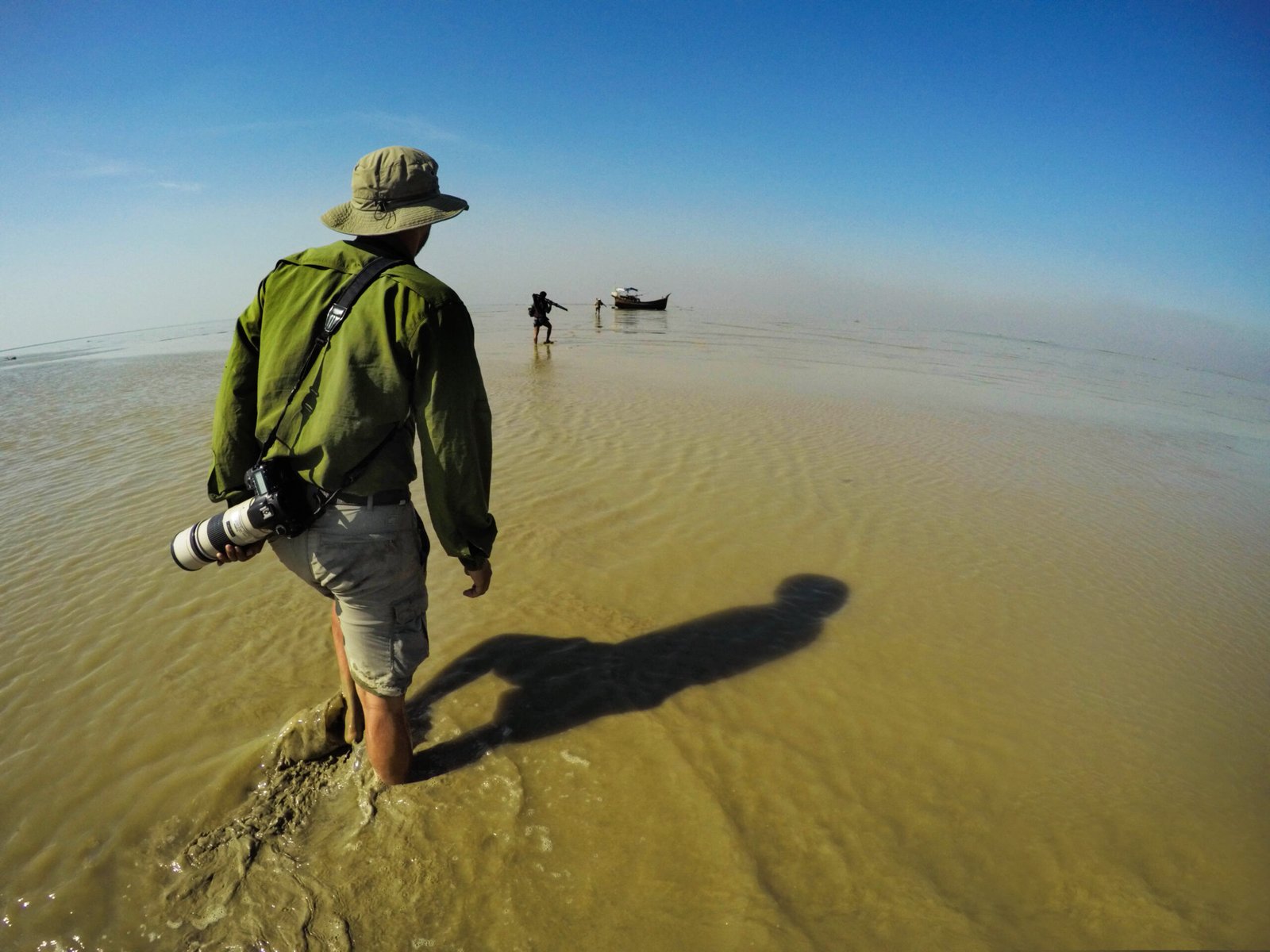
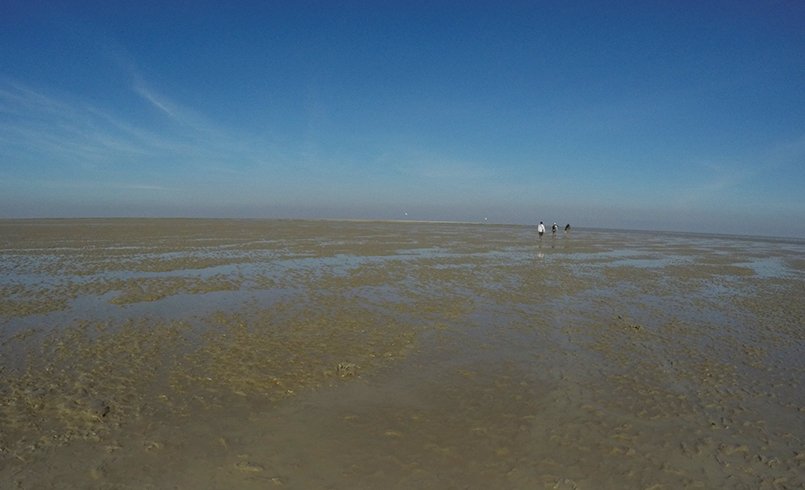
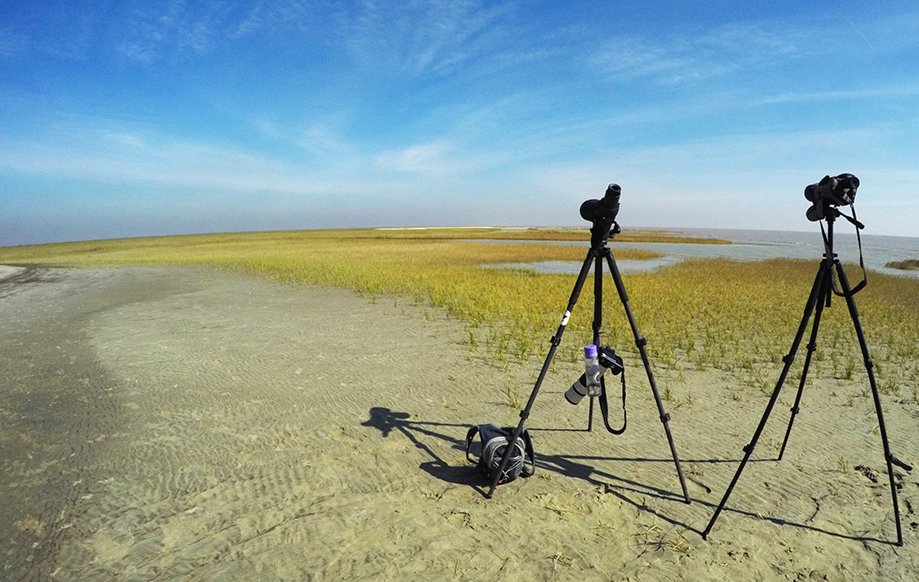
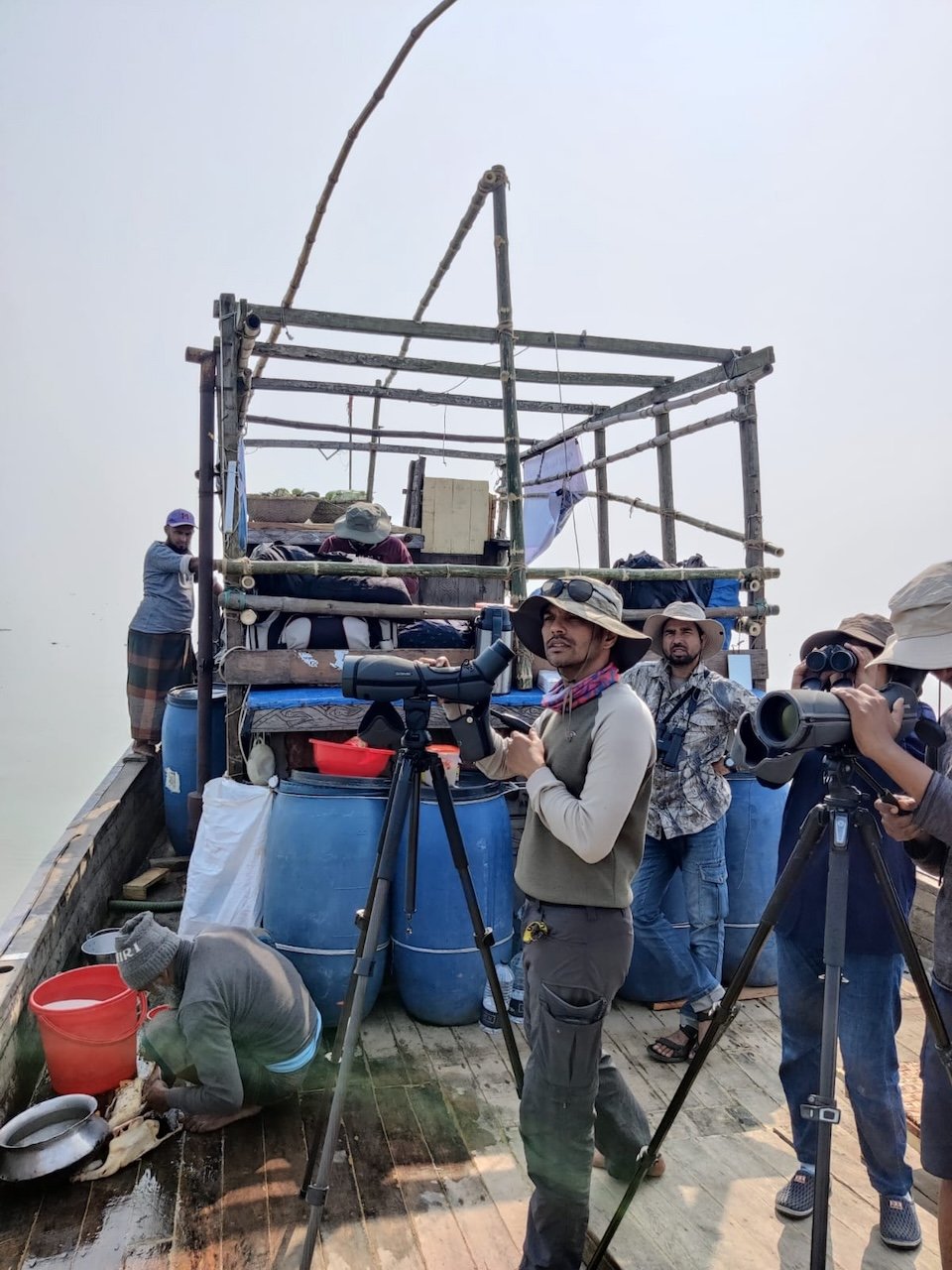
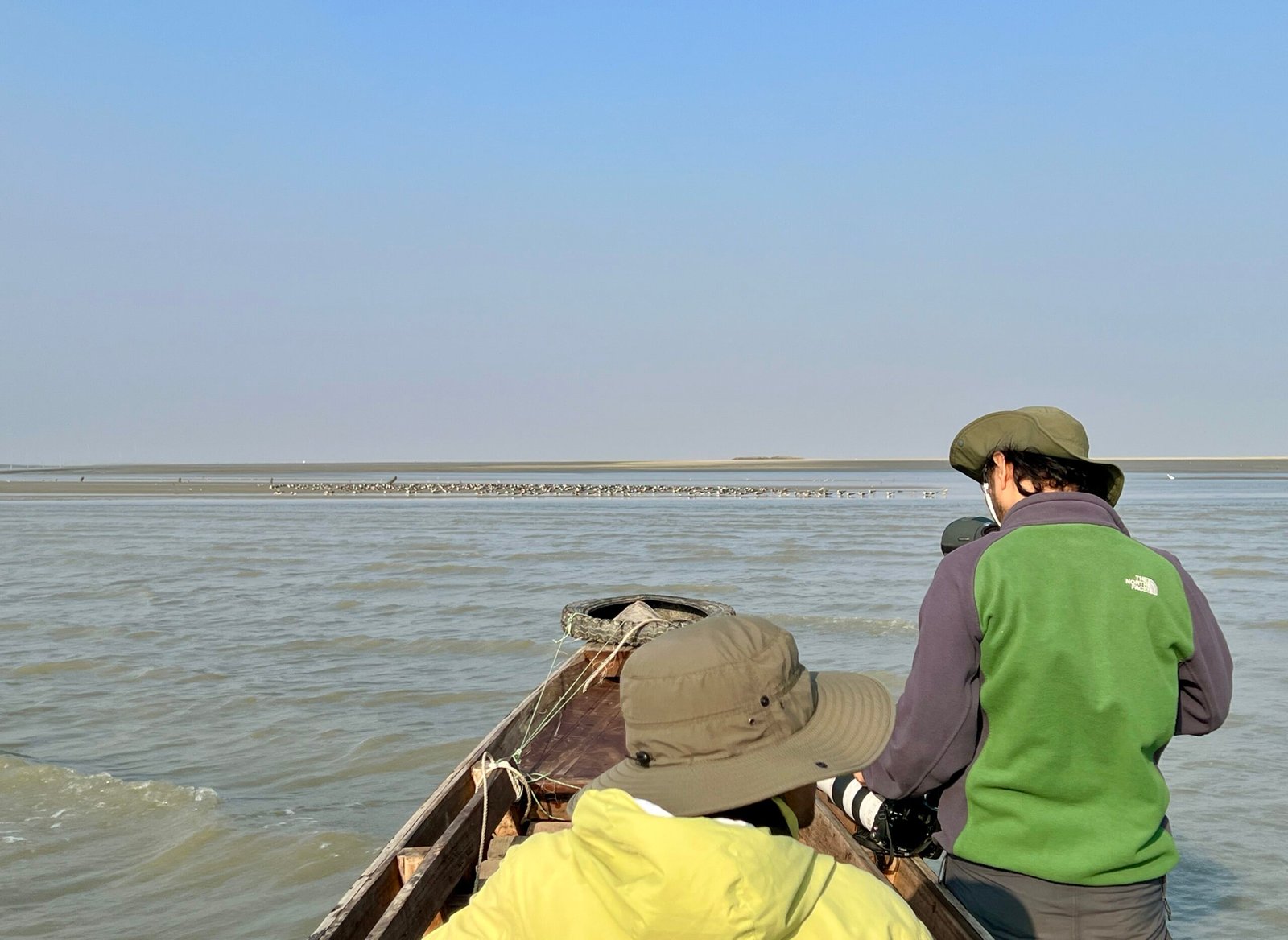
Each year, surveys are conducted across 45–55 coastal sites, covering key estuaries, tidal flats, islands and nearshore habitats. To ensure comprehensive coverage, we use remote sensing tools including Sentinel-2 imagery and Google Earth maps prior to each survey season to identify newly accreted or emerging islands and other dynamic coastal features. Monitoring follows a systematic, boat-based approach, using high-quality optical equipment and experienced observers to ensure accurate and repeatable counts of all waterbird species.
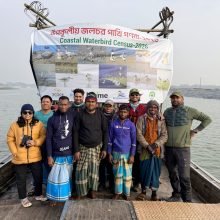
Surveys are implemented in collaboration with local clubs and conservation groups including the Bangladesh bird club and all data are shared with the Asian Waterbird Census (Wetland International), which contributes to long-term regional and global assessments of waterbird population trends and wetland conservation priorities. Through consistent long-term monitoring, this project generates essential baseline data to detect population changes, identify emerging conservation priorities, and support national and international wetland and flyway conservation planning.
The problem
– lack of consistent, long-term data on waterbird population trends along the coast of Bangladesh
– dynamic coastal habitats, including newly formed and shifting islands are poorly documented
– limited evidence and data analysis to guide site protection and flyway-level conservation planning
The cause
– absence of regular, standardised monitoring across a wide network of coastal sites
– rapid geomorphological changes that outpace conventional survey planning
– inconsistent repeat monitoring of key sites to detect long-term population change
The solution
– conduct systematic, long-term monitoring of waterbirds across 45–55 coastal sites annually
– integrate remote sensing to identify emerging habitats prior to surveys
– collaborate with local bird clubs and share data with the Asian Waterbird Census to inform national and global conservation efforts
Project Goal
Track long-term trends in migratory waterbird populations along the coast of Bangladesh to inform conservation action.
Project Objectives
– conduct consistent, repeat monitoring of key coastal waterbird sites
– detect population changes and emerging conservation concerns over time
– generate robust data to support national and flyway-level conservation planning
Activities
– plan annual surveys using remote sensing to identify dynamic coastal habitats and emerging islands
– conduct systematic mid-winter waterbird surveys each January across 45–55 coastal sites, using boat-based methods and standardised protocols
– repeat surveys at the same key sites to enable detection of long-term population trends
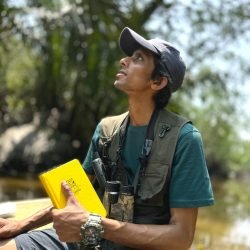
– surveys conducted by the same set of trained and experienced observers using high-quality equipment to ensure data accuracy
– collaborate with and train local bird clubs and conservation groups to strengthen national monitoring capacity
Outcomes
– establishment of one of the most consistent long-term coastal waterbird monitoring programmes in Bangladesh, with more than 10 years of continuous data collection supporting trend analysis
– generation of a robust national dataset on migratory waterbirds, covering 45–55 coastal sites annually, which has improved understanding of species distribution, abundance, and seasonal patterns along the coast
– improved documentation of dynamic coastal habitats, including newly accreted and shifting islands, which lead to more complete assessments of waterbird habitat use than was previously possible
– strengthened national monitoring capacity through the training and engagement of local bird clubs and conservation groups in coastal waterbird monitoring
– regular contribution of Bangladesh’s coastal waterbird data to the Asian Waterbird Census to strengthen regional and flyway-scale assessments