Project Fishing Cat
Key species
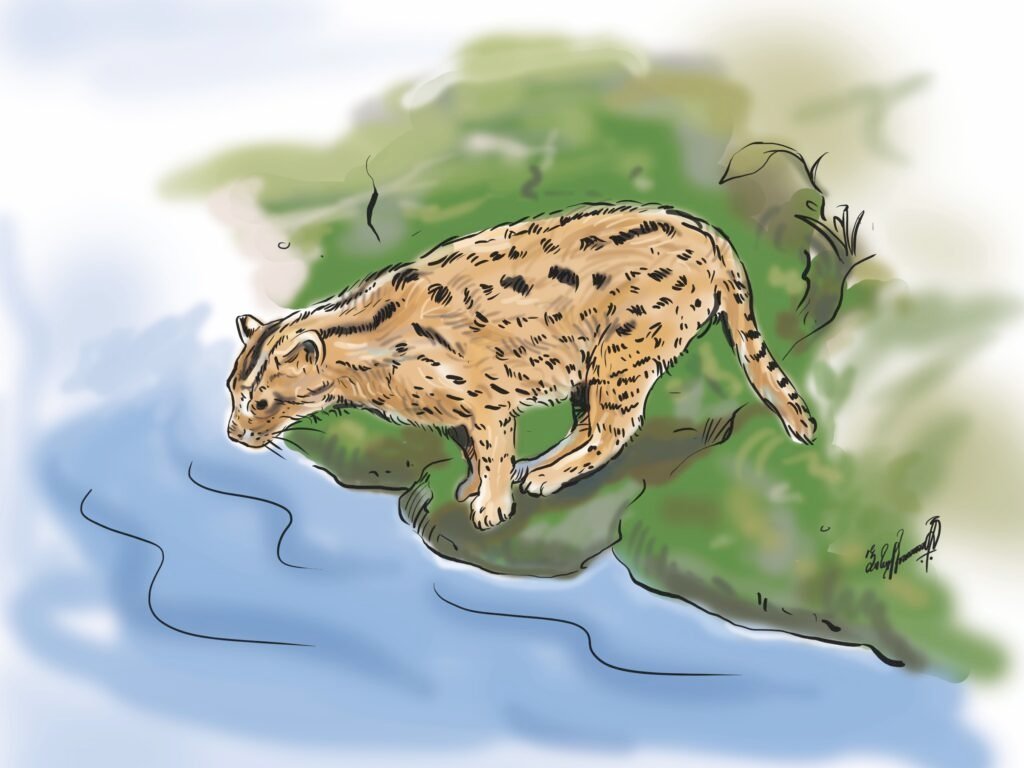
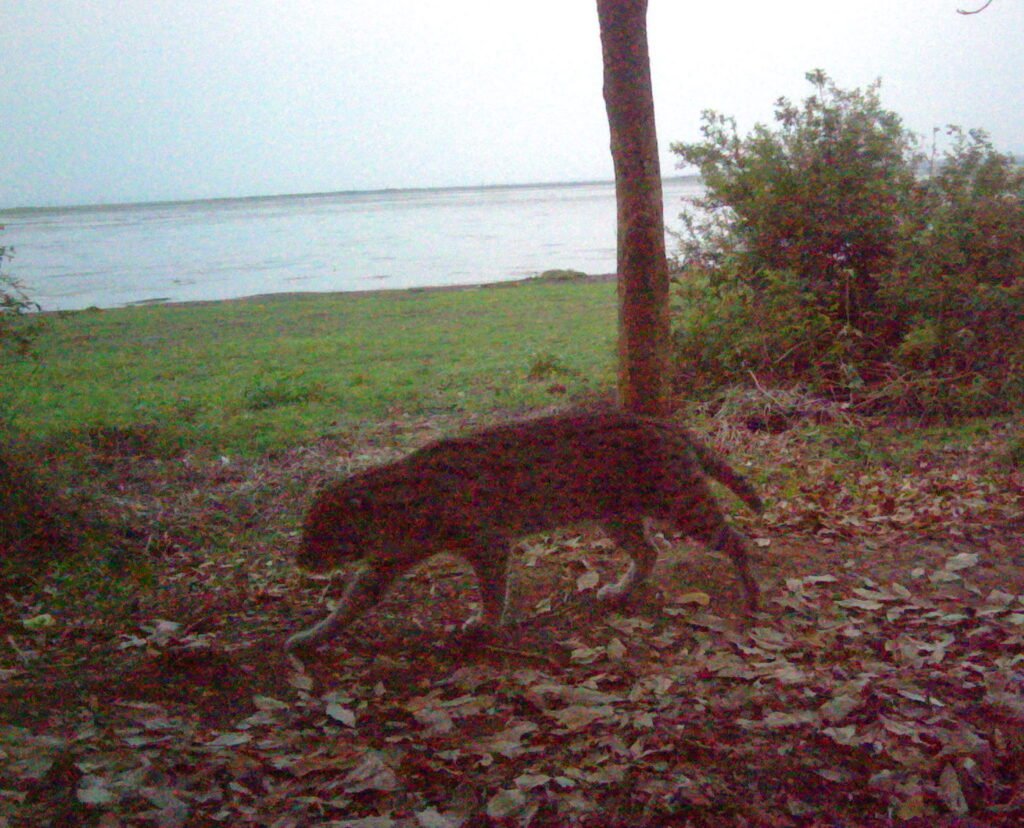
Fishing Cat
Location
Hail Haor | Sylhet
Status
Completed
Duration
2017–2024
Target community
Local people
About the project
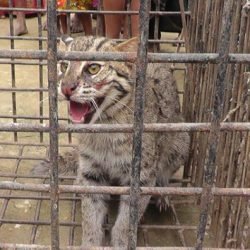
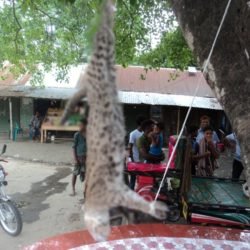
The Fishing Cat is globally Vulnerable and considered Endangered in Bangladesh, yet historically received little targeted conservation attention. In 2015, members of SCOPE Foundation conducted the first national media-based analysis of human–Fishing Cat conflict in Bangladesh. At least 30 confirmed killings were reported within just four years, highlighting an urgent but overlooked conservation issue. Despite Bangladesh being one of the species’ regional strongholds, no focused conservation initiative was actively addressing conflict mitigation at priority wetland sites.
Recognising this gap, SCOPE initiated targeted Fishing Cat conservation efforts to raise awareness and implement evidence-based interventions. Due to limited funding and capacity, the project strategically focused on Hail Haor, a major wetland hotspot in north-east Bangladesh where conflict was acute. The project adopted a phased, community-based approach: first diagnosing the conflict through structured interviews and economic assessments, followed by awareness campaigns, stakeholder engagement and practical mitigation measures such as protective duck sheds and habitat restoration. The project has now been successfully completed, having piloted scalable conflict-reduction strategies. Future engagement may resume depending on available capacity and the potential for meaningful conservation impact.
The problem
– widespread human–Fishing Cat conflict across wetland landscapes in Bangladesh
– limited understanding of key Fishing Cat areas requiring urgent protection
– ongoing degradation and conversion of wetland habitats critical for the species
– limited knowledge among local communities about Fishing Cat’s diet, ecology and ecological role
The cause
– indiscriminate killing driven by fear, misidentification, misinformation, and perceived losses from poultry predation
– lack of systematic rescue, rehabilitation and release mechanisms
– loss and degradation of critical wetland habitats
– weak enforcement of wildlife protection laws
– limited data on conflict patterns and spatial distribution
The solution
– assess conflict drivers through field surveys and community consultations
– identify priority areas and conflict hotspots
– pilot locally appropriate mitigation measures, including predator-safe shelters
– strengthen community engagement and capacity on rescue and release
– promote awareness of wildlife protection laws and coexistence practices
Project Goal
reduce human–Fishing Cat conflict and promote long-term coexistence between wetland-dependent communities and Fishing Cats in Bangladesh through research, awareness and practical mitigation.
Project Objectives
– assess the scale, drivers and spatial patterns of human–Fishing Cat conflict in Bangladesh
– identify priority sites and conflict hotspots requiring targeted conservation action
– implement and evaluate site-based conflict mitigation measures in a selected priority landscape (Hail Haor)
– increase local awareness and correct misinformation about the species’ ecology and legal protection
– strengthen capacity for rescue, rehabilitation and coordinated response in conflict situations
Activities
– conducted the first national media-based analysis of Fishing Cat killings to assess conflict patterns across Bangladesh [2015]
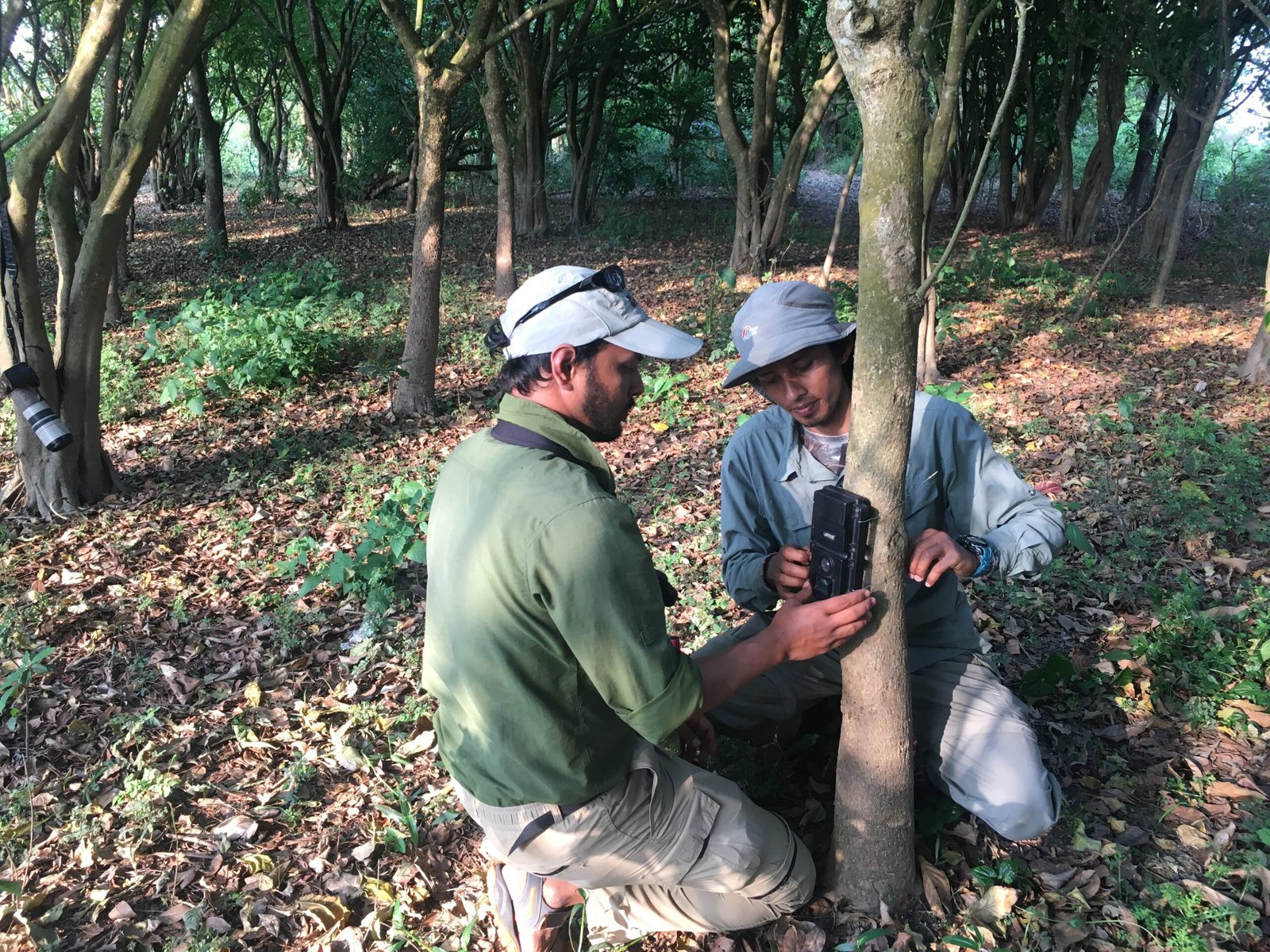
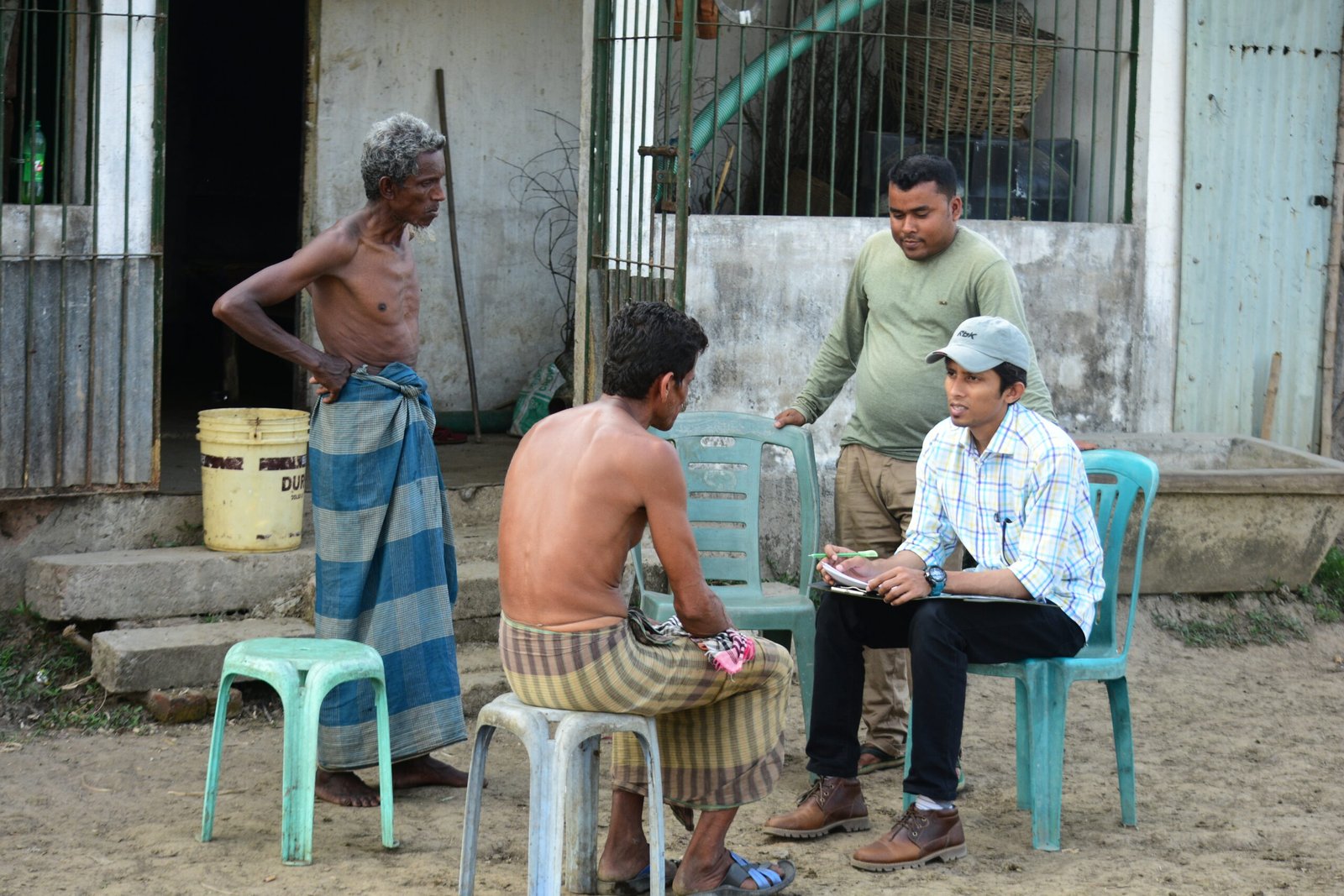
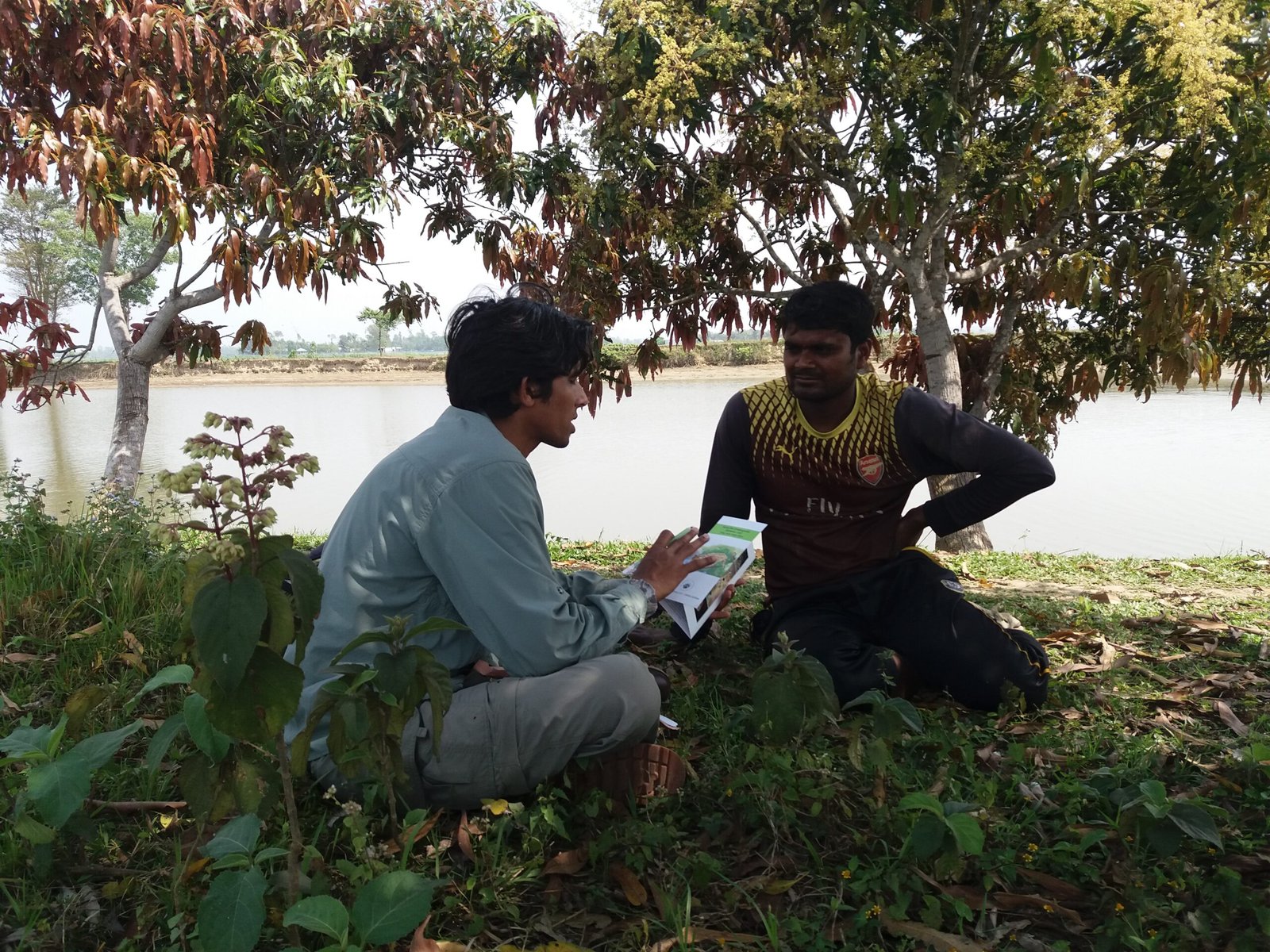
– carried out structured field interviews with fishers, duck farmers, and wetland users to quantify conflict drivers and economic losses; identified Hail Haor as a priority conflict hotspot [2017–2019]
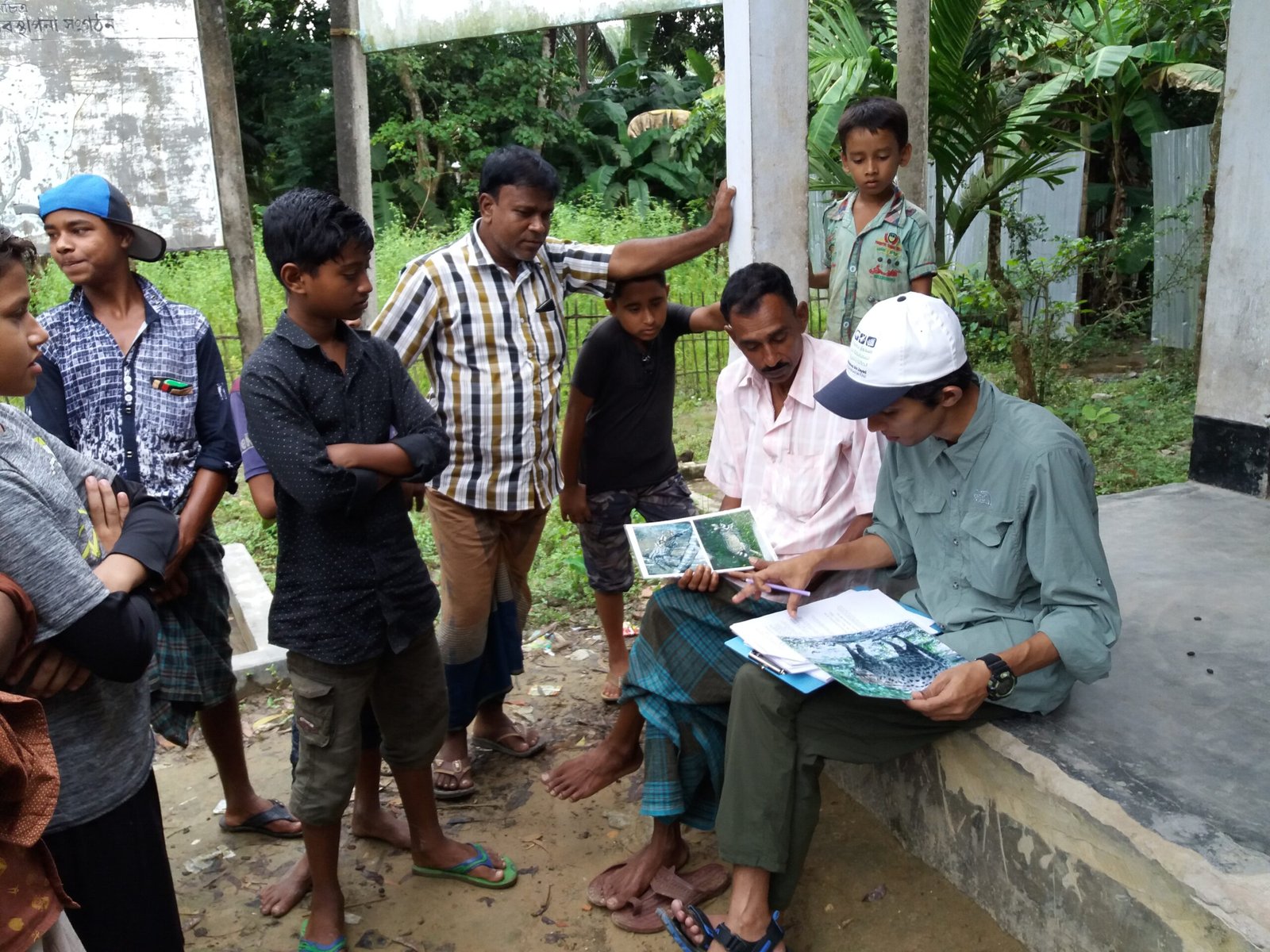
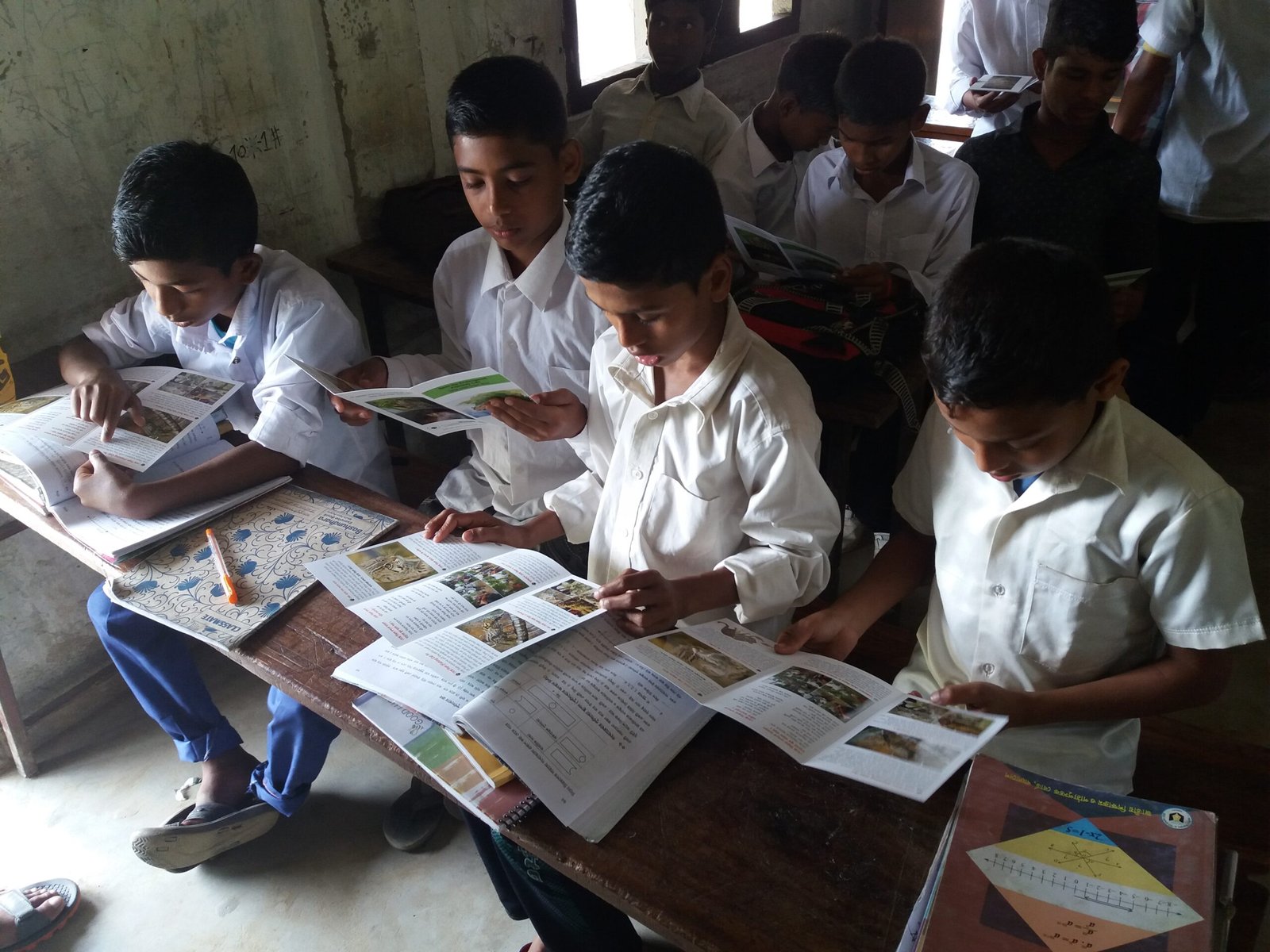
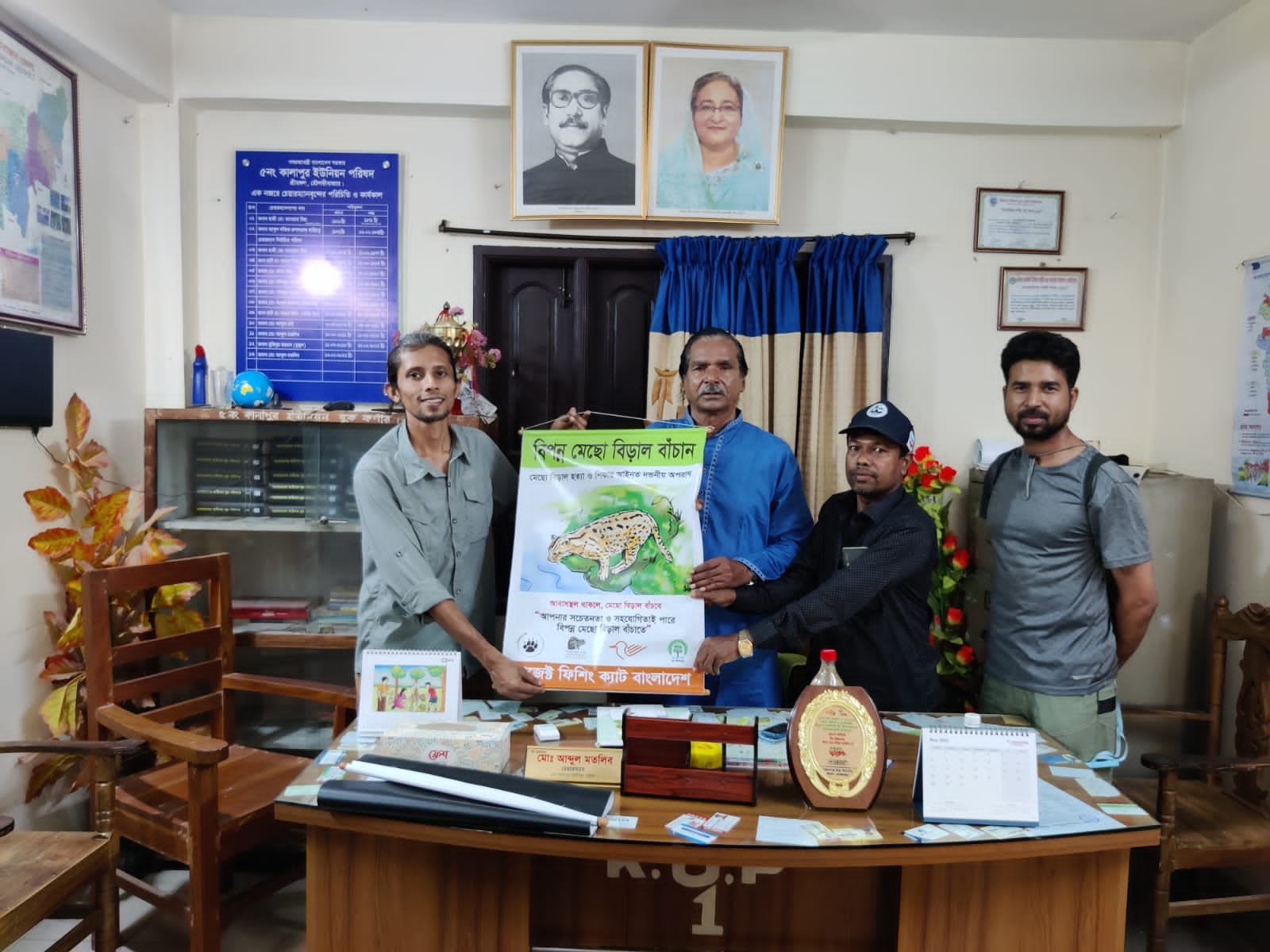
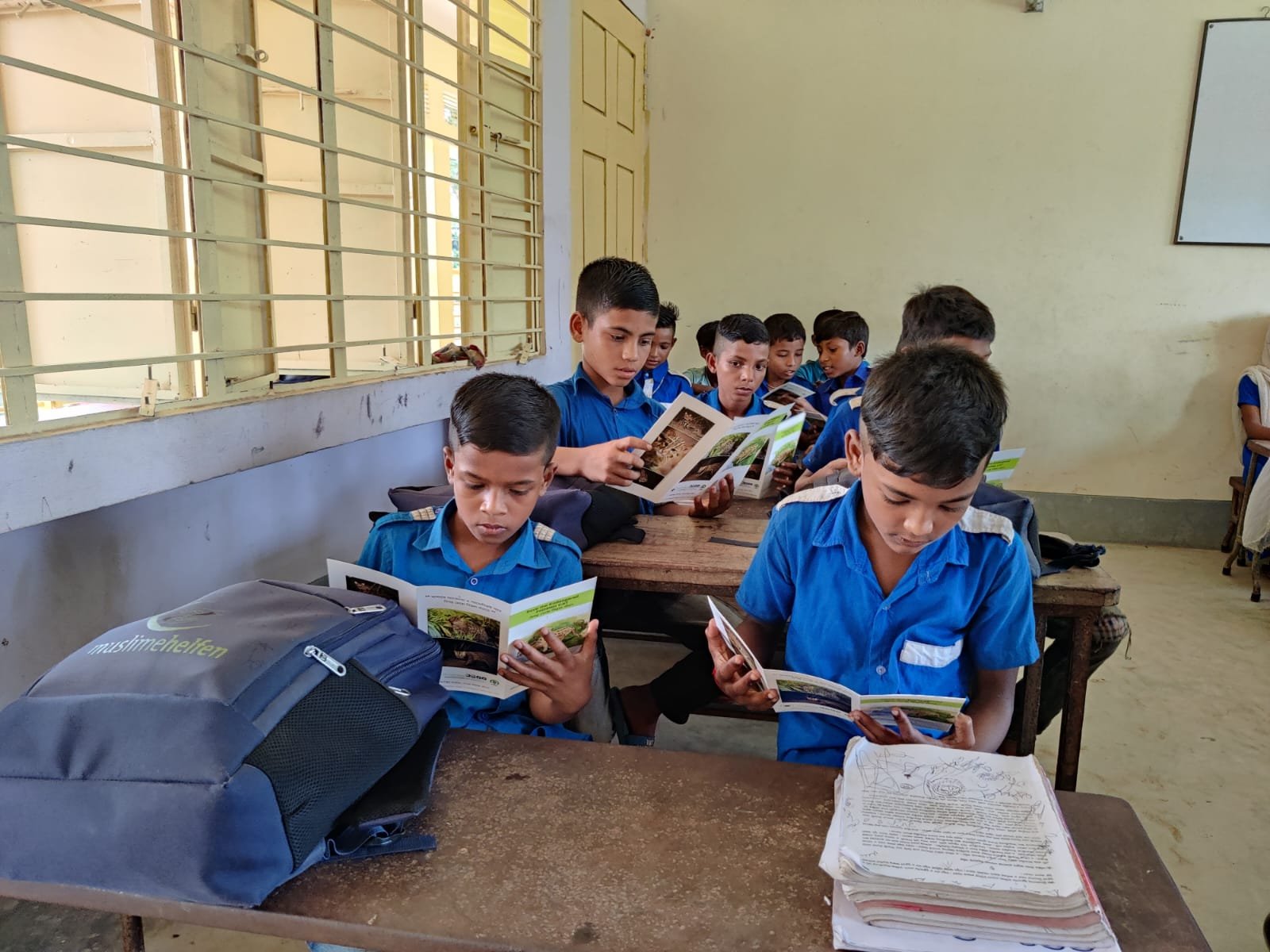
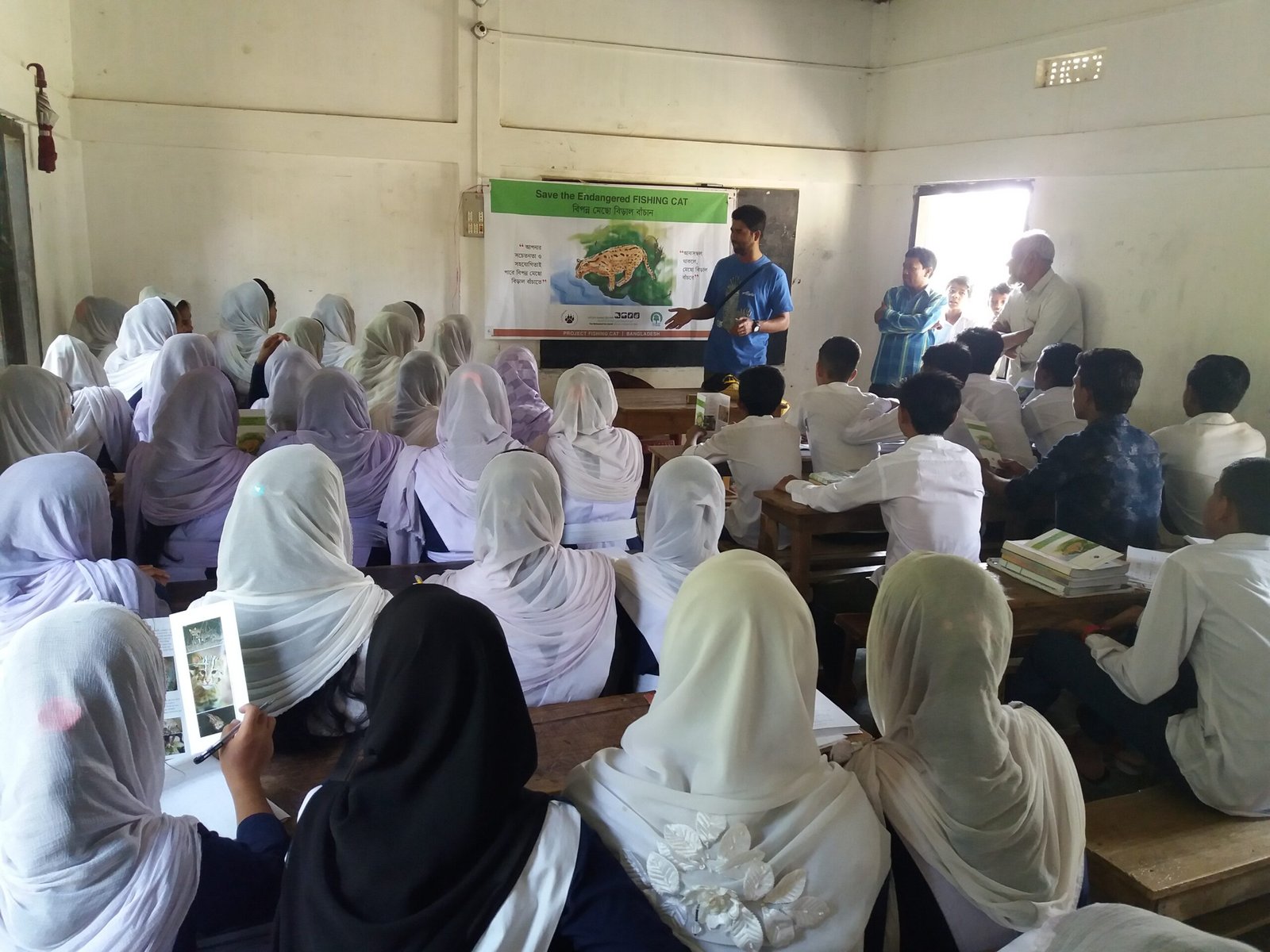
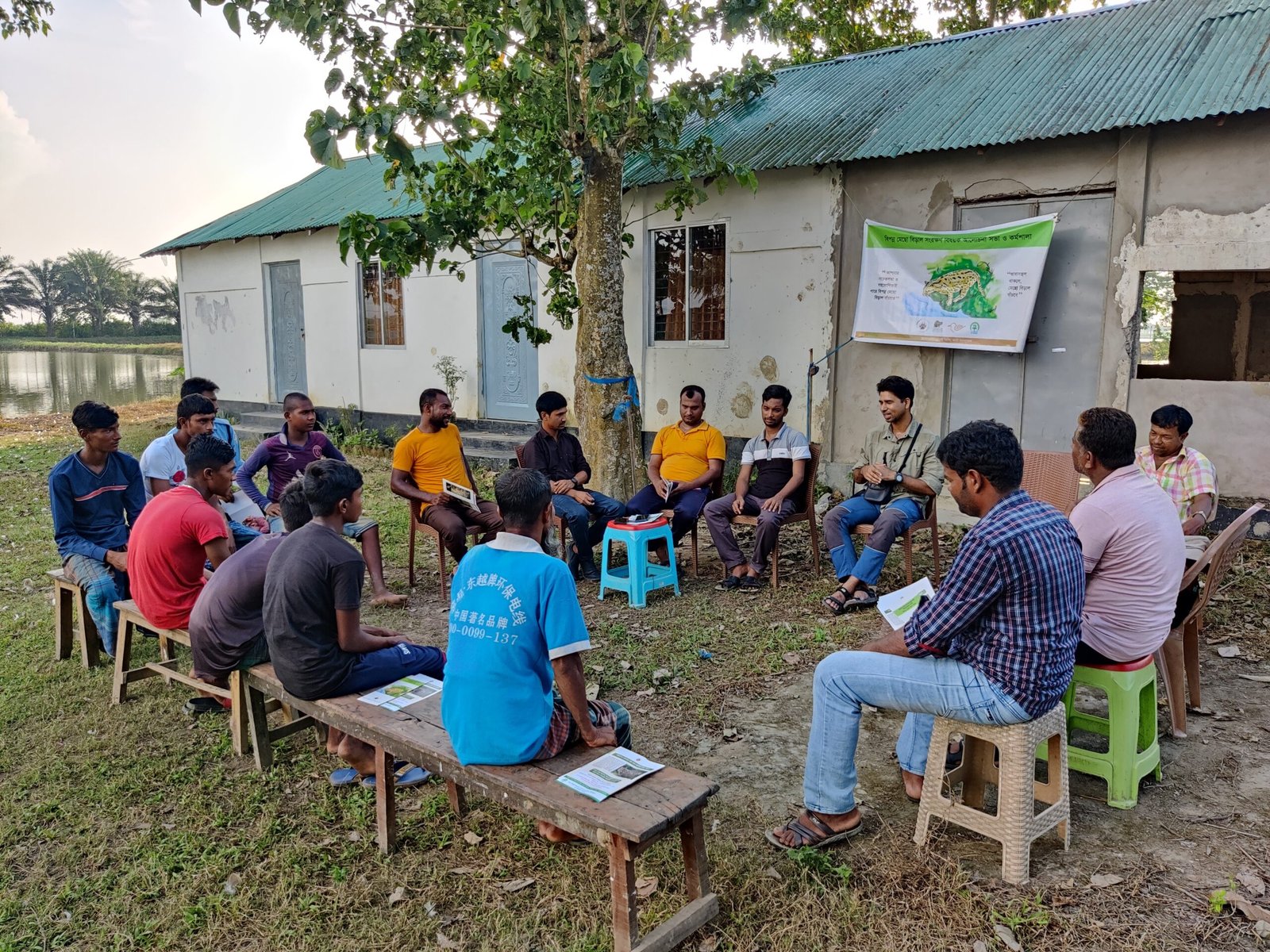
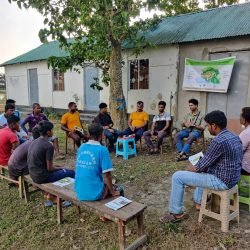
– organised community meetings with duck farmers, fishers, and Resource Management Organizations (RMOs); conducted school-based awareness campaigns and distributed educational materials [2017–2019]
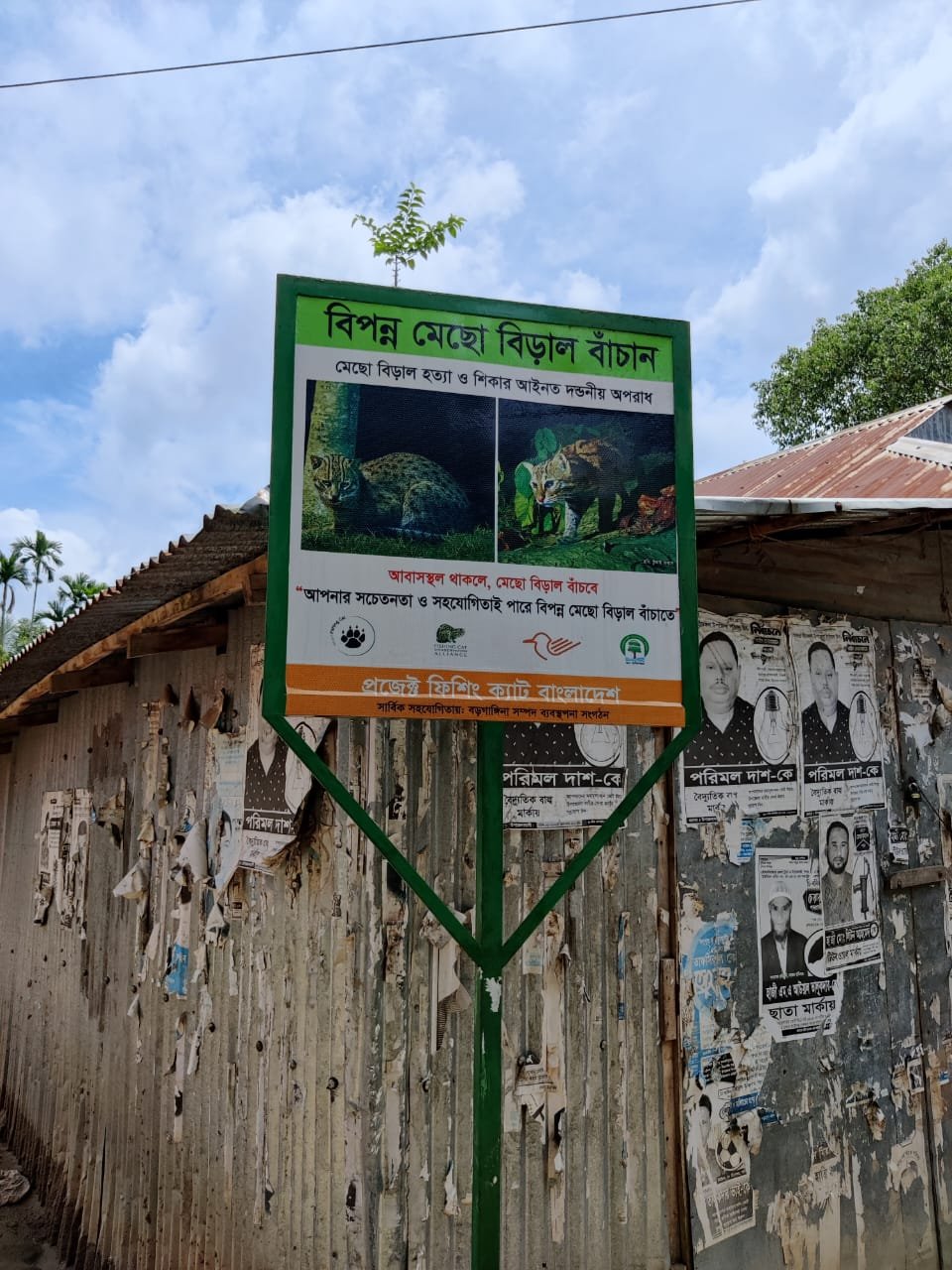
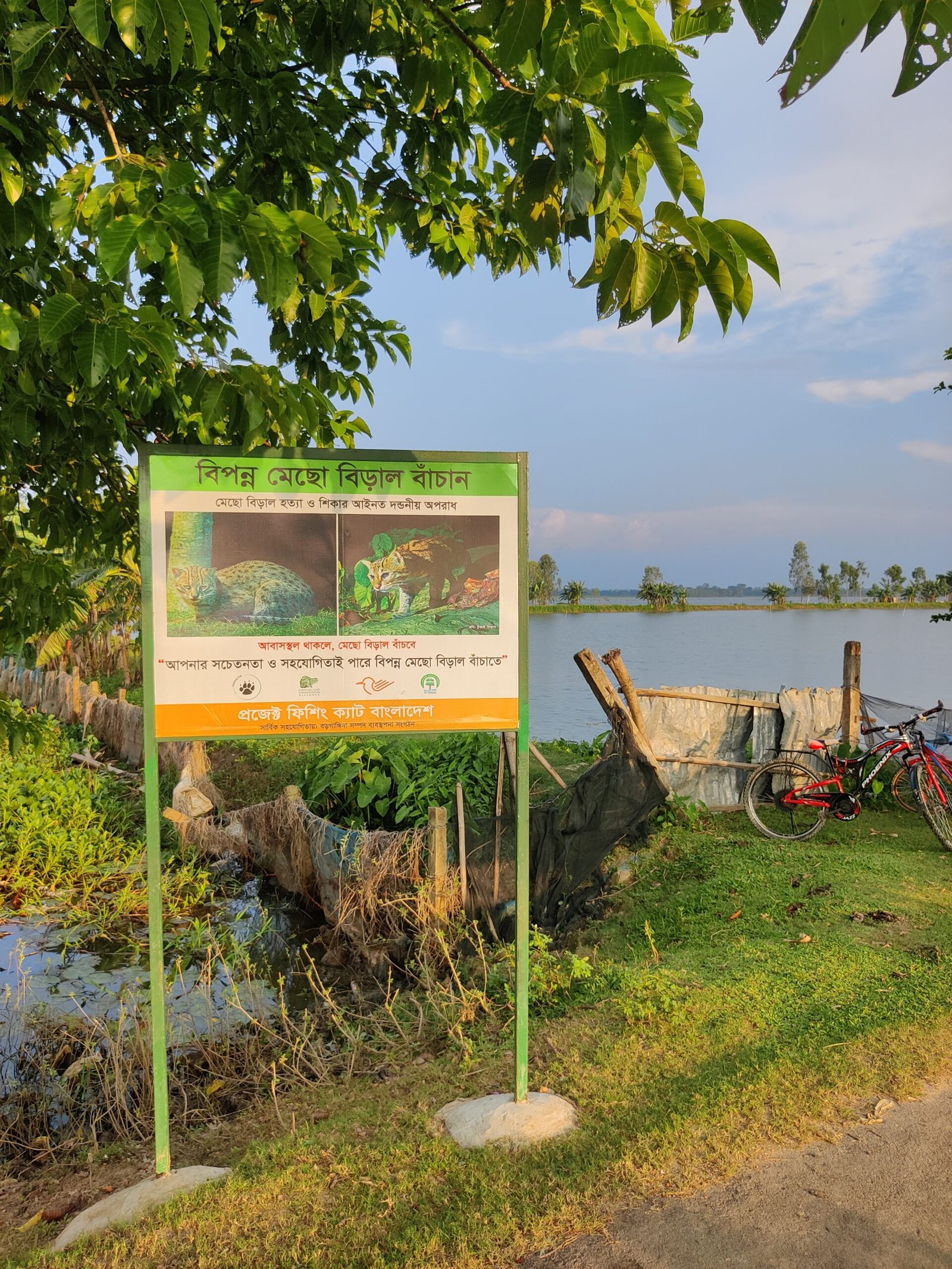
– installed conservation billboards in conflict-prone areas and local markets; engaged local Forest Department officials to improve coordination on conflict response; conducted additional stakeholder meetings during monsoon season [2022]
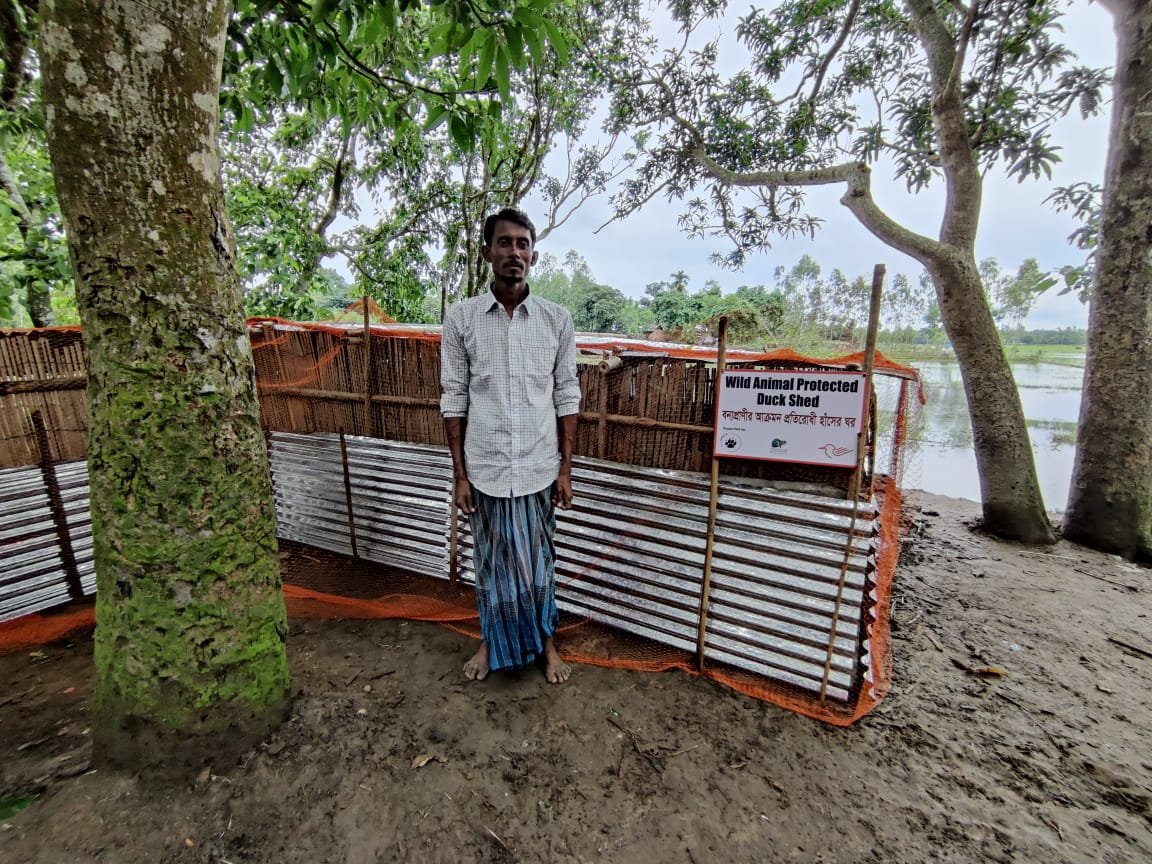
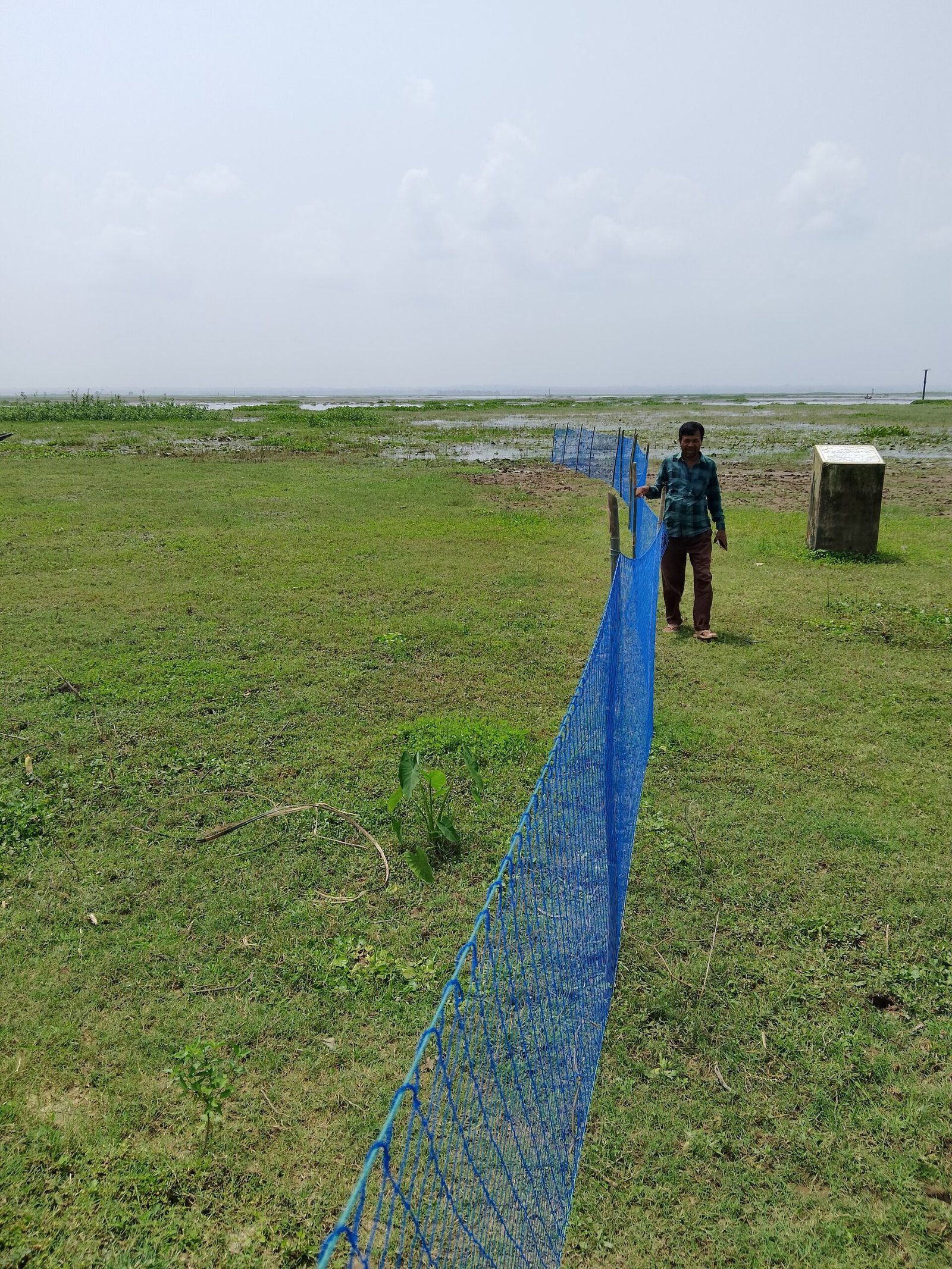
– designed, constructed, and piloted a seasonally portable predator-safe duck shed to reduce poultry loss; monitored effectiveness through follow-up visits and farmer feedback [2023]
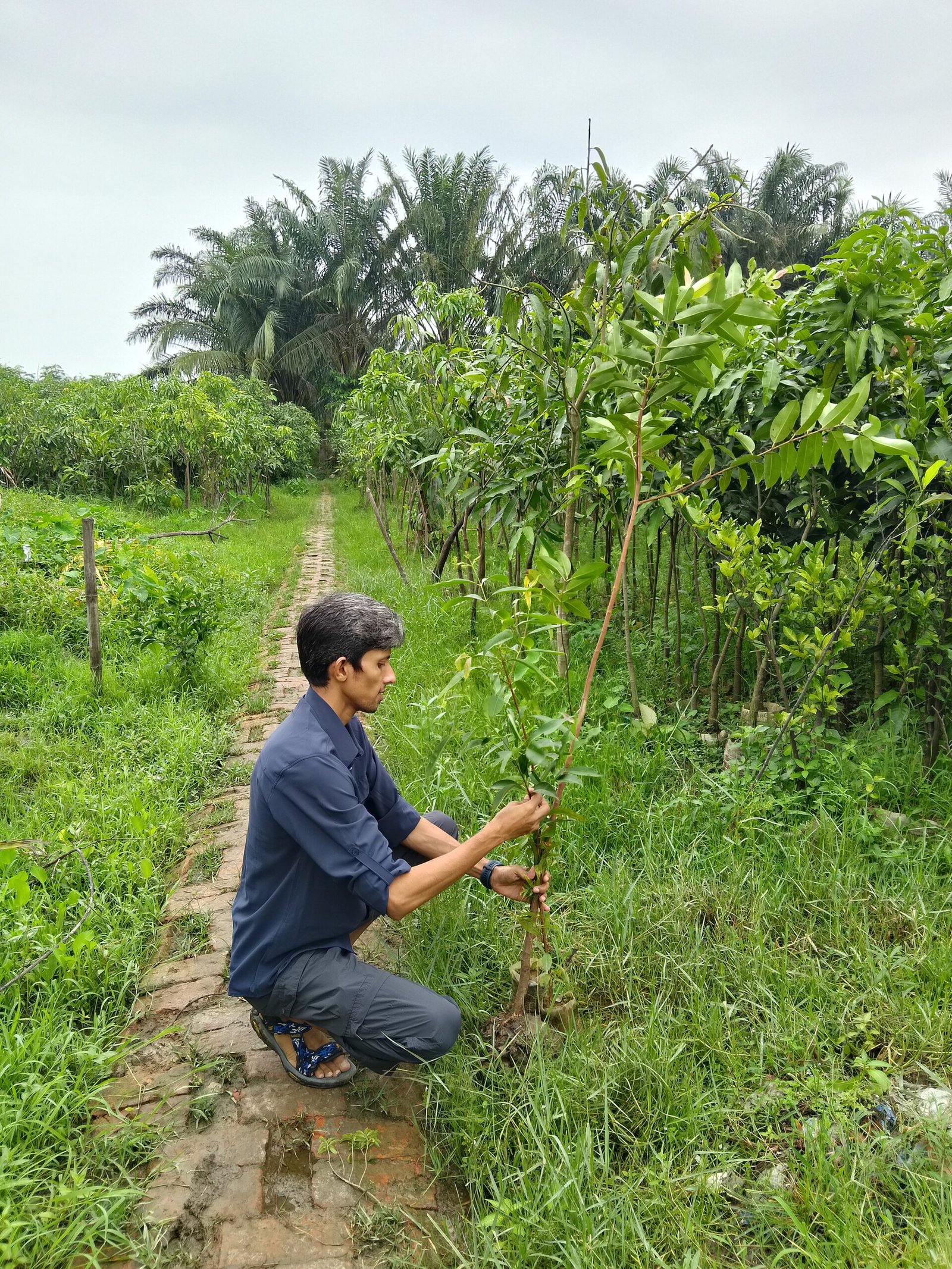
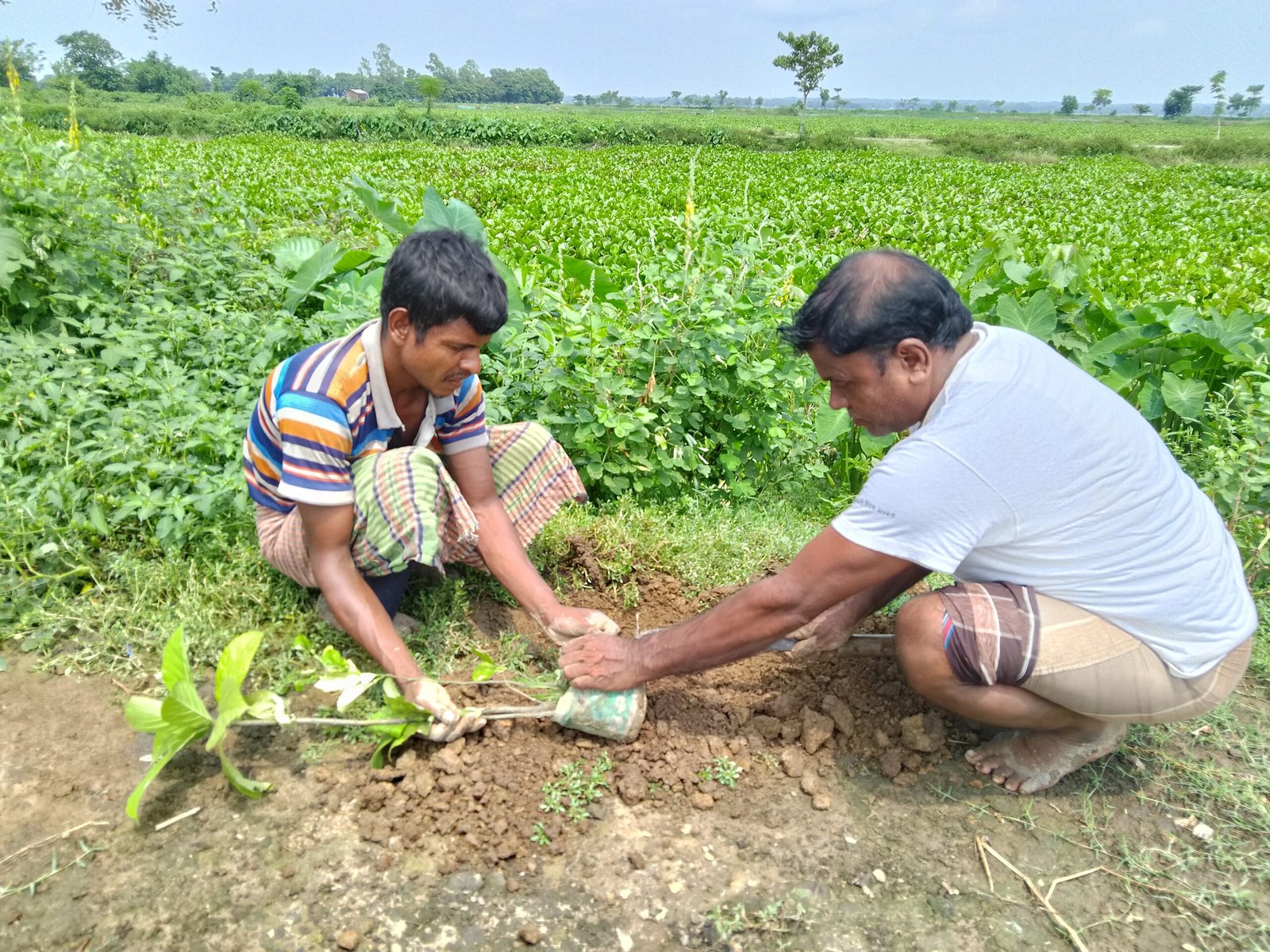
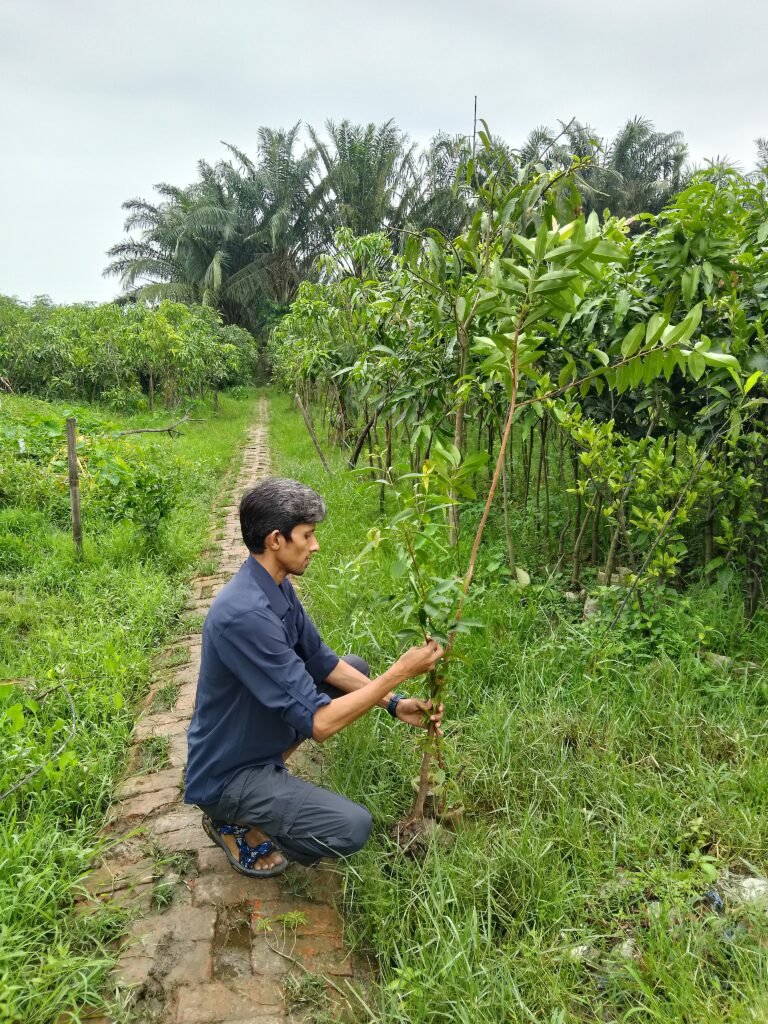
– initiated small-scale habitat restoration by replanting native cover species in core Fishing Cat areas [2023]
Outcomes
– produced the first national assessment of human–Fishing Cat conflict in Bangladesh [2015]
– quantified economic losses and confirmed poultry predation as a key conflict driver; identified Hail Haor as a high-priority mitigation site [2017–2019]
– increased awareness among farmers, students, and local institutions regarding the species’ ecology and legal protection [2017–2019]
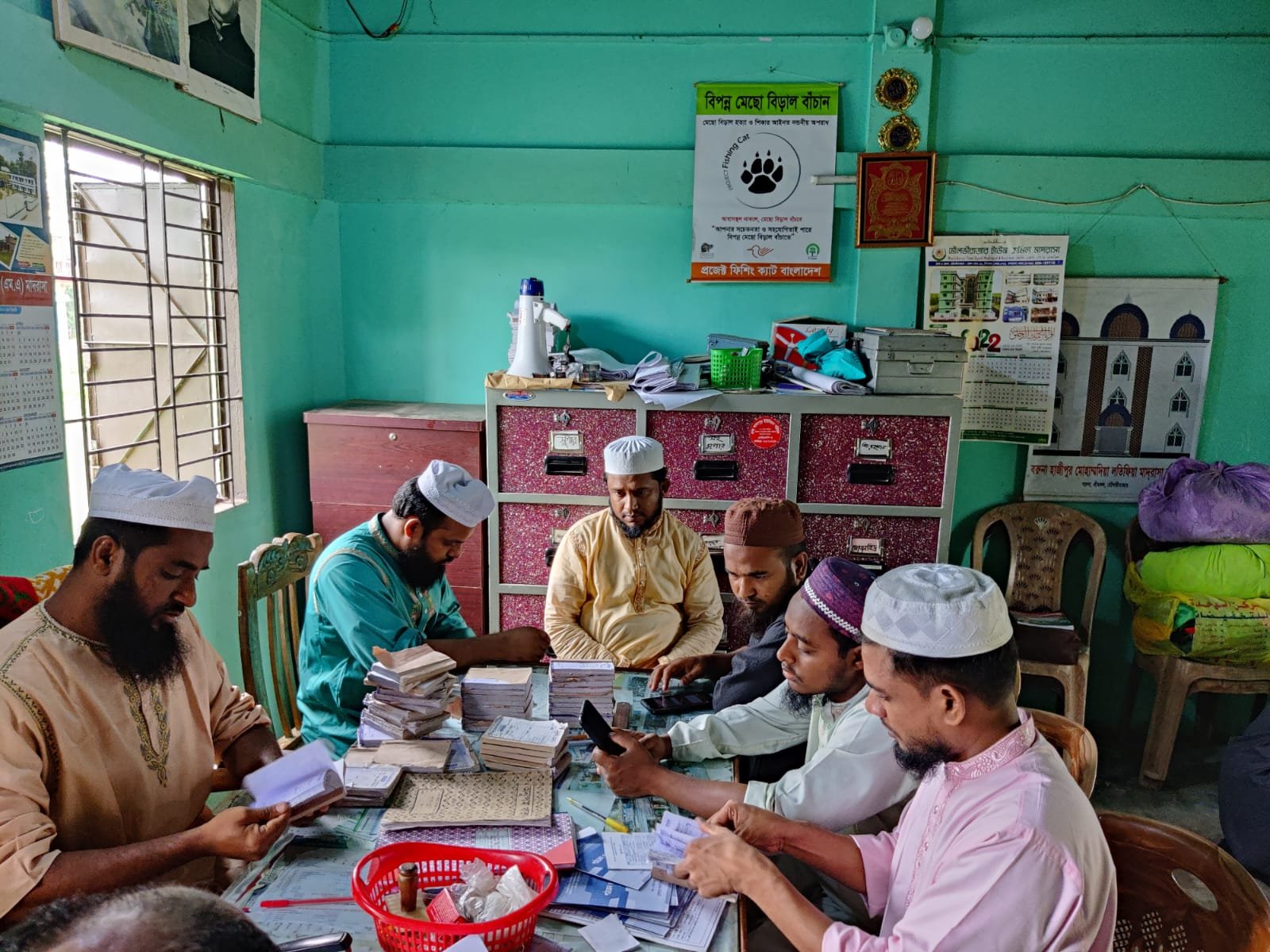
– strengthened collaboration with the Forest Department and improved local coordination on conflict response [2022]
– successfully piloted predator-safe duck shelter with no reported Fishing Cat attacks during the monitored season [2023]
– demonstrated a scalable, locally adapted mitigation model for wetland communities and initiated habitat restoration efforts [2023]
Publications
𓅣 Human-fishing cat conflicts and conservation needs of fishing cats in Bangladesh | Cat News 62 (2015): 4–7.
Meet the Team
Nazim Uddin Khan
Project Lead
Mohammod Foysal
Project Lead
Dr. Sayam U. Chowdhury
Project Supervision
Md. Minnot Ali
Field Coordinator
Image Library
Our Partners and Donors