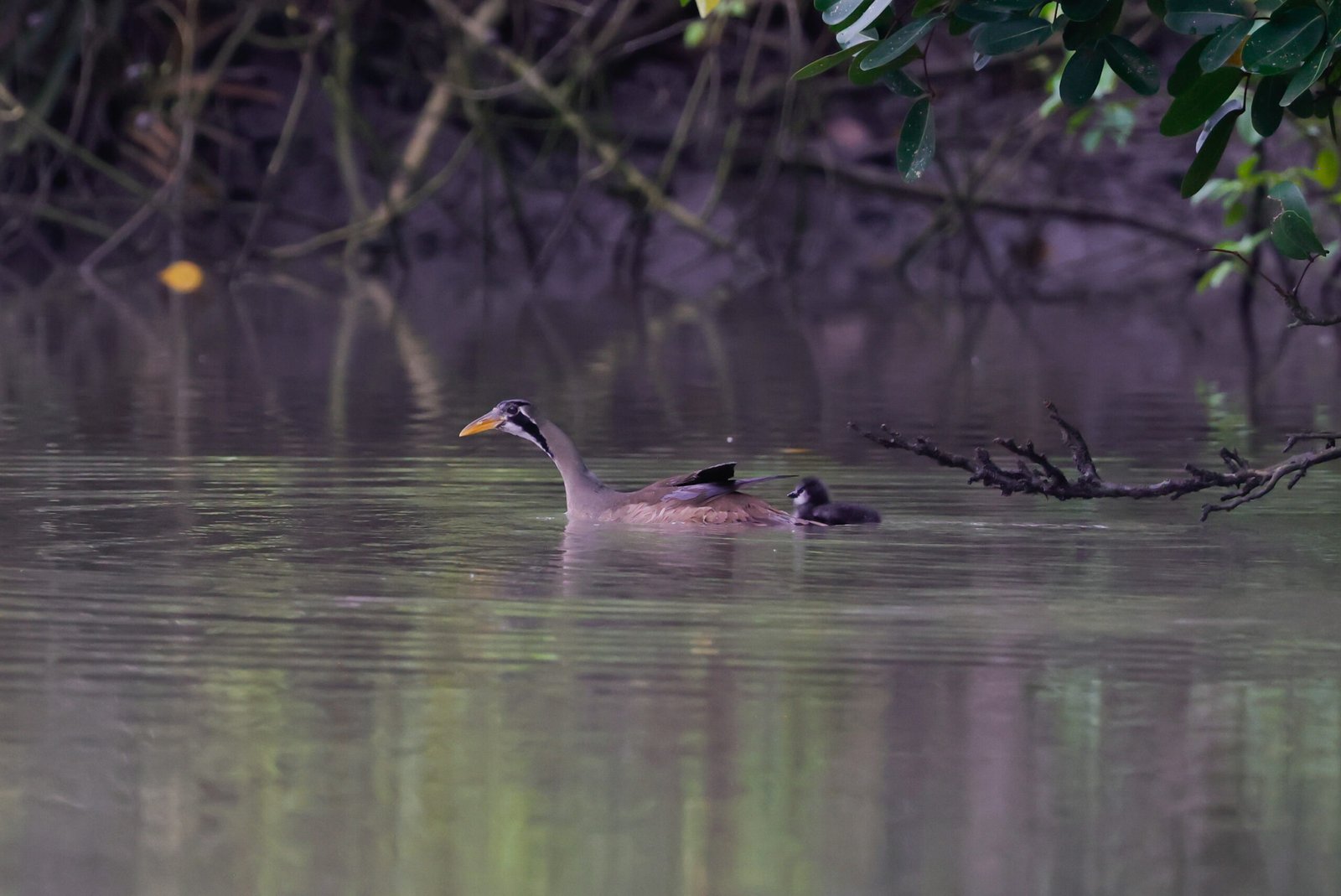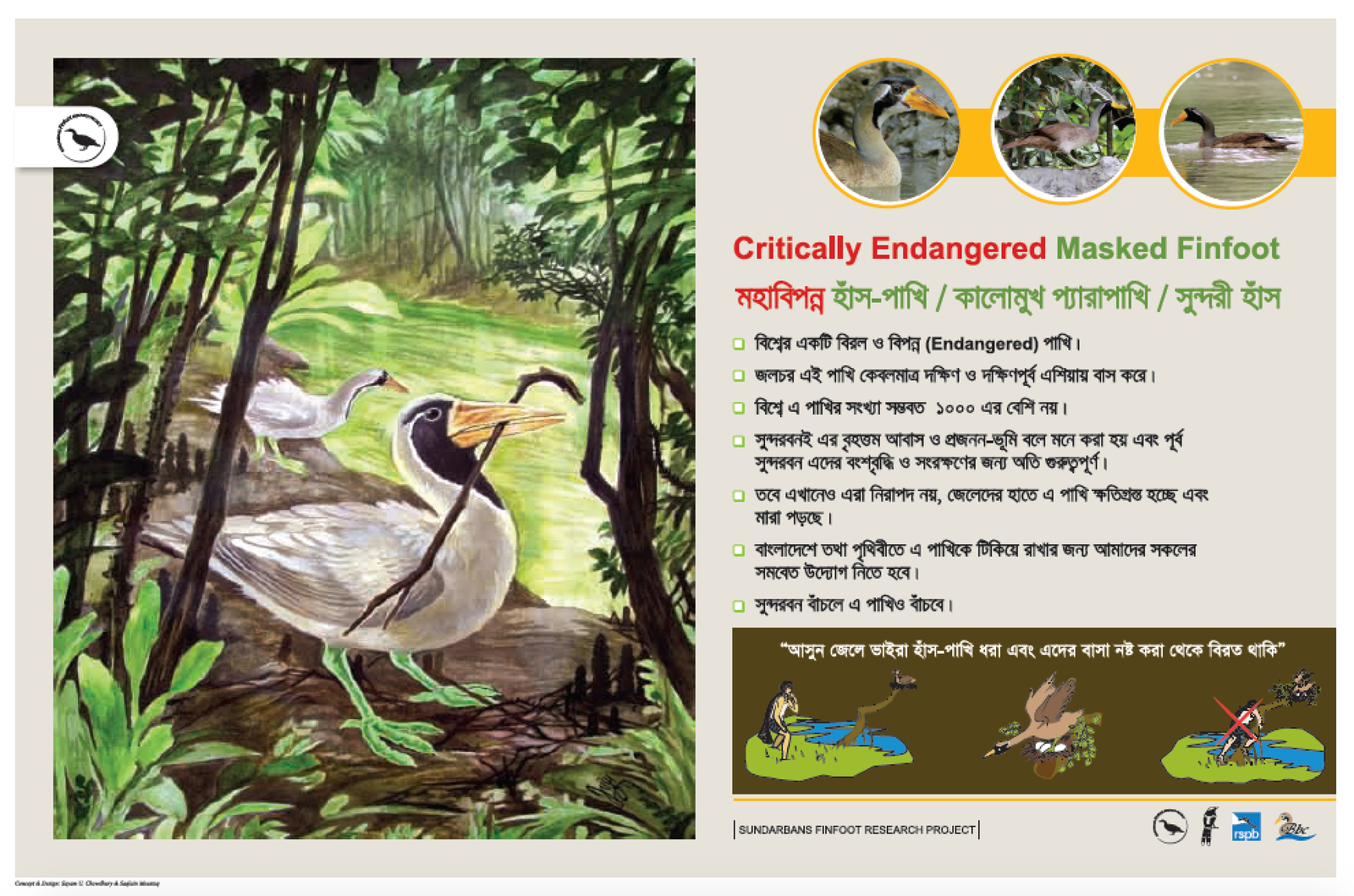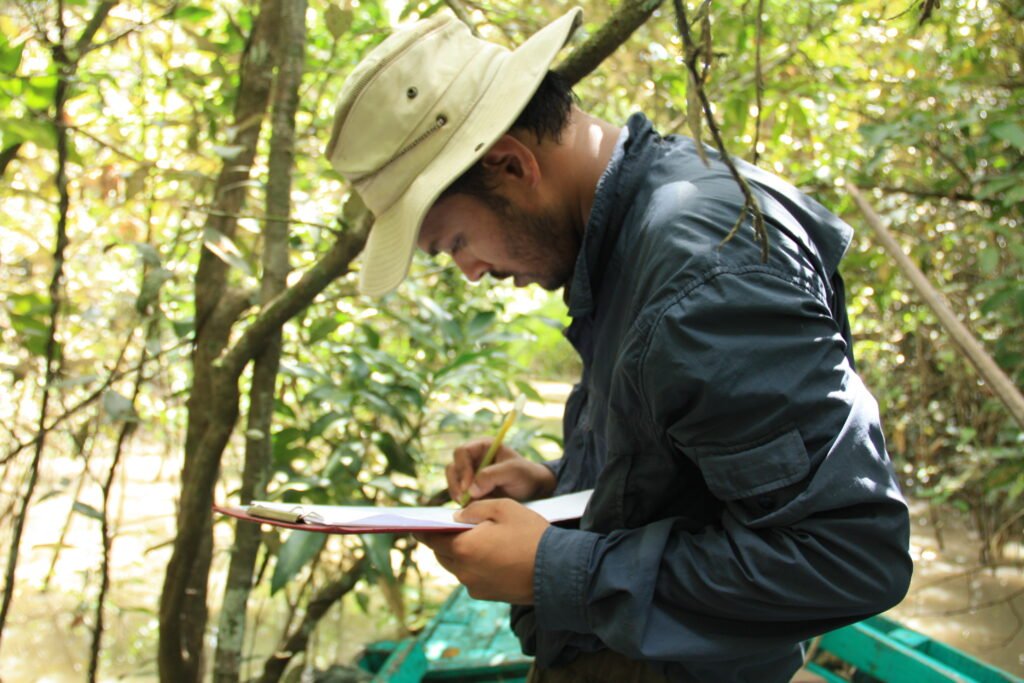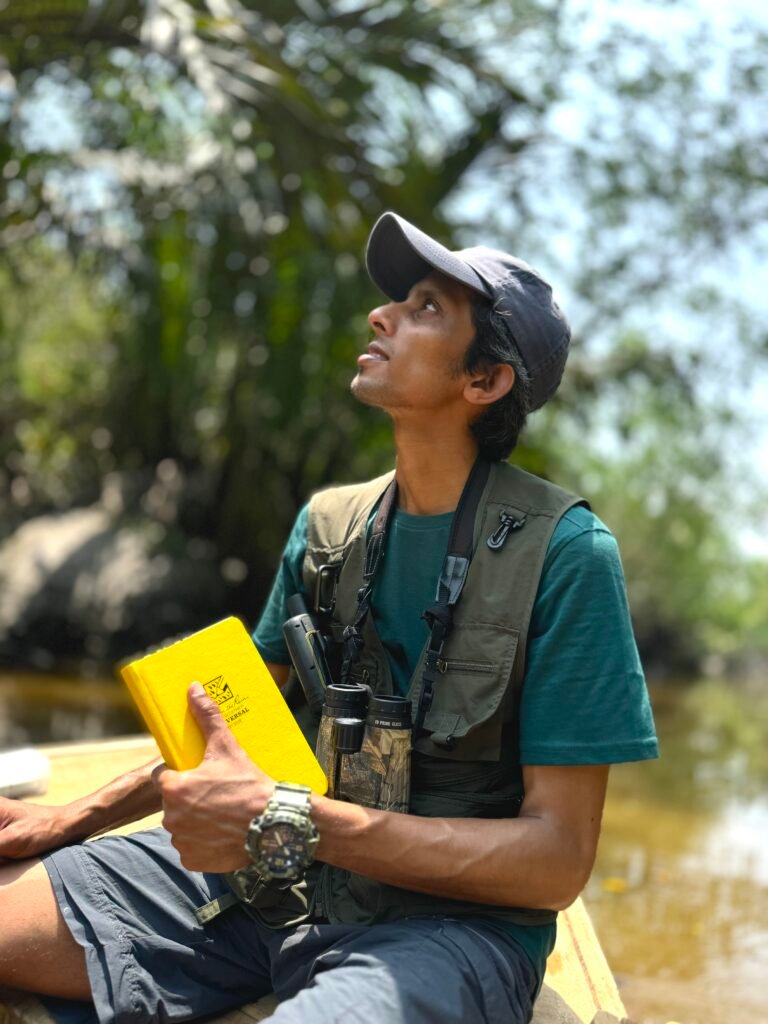
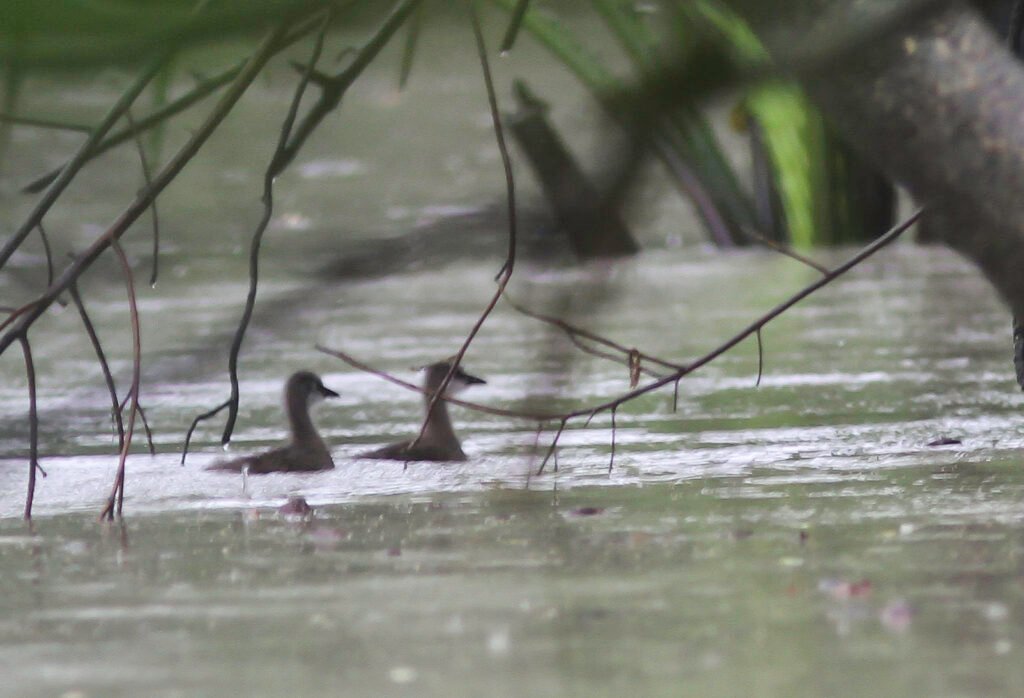
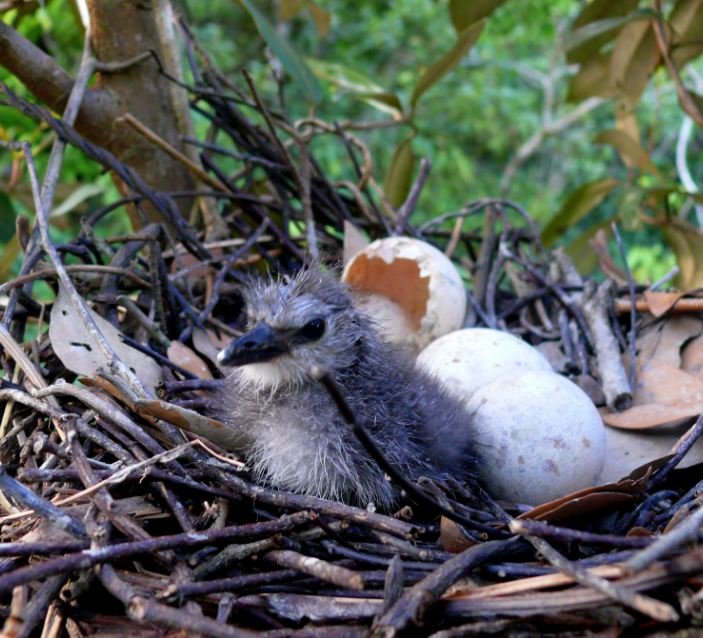
Project Goal
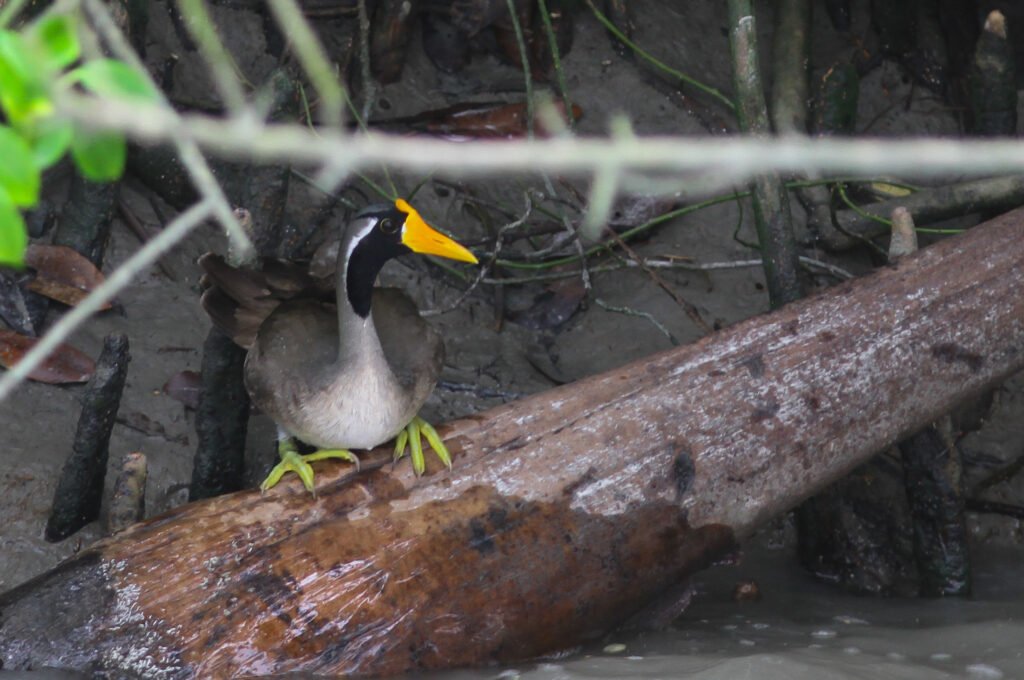
Survival of the Masked Finfoot in the Bangladesh Sundarbans through science-based conservation and government collaboration.
Project Objectives
Phase I: baseline research (2011–2013)
– conduct the first systematic surveys in the Bangladesh Sundarbans to estimate population size and identify key breeding creeks
– document breeding biology and habitat characteristics of occupied creeks
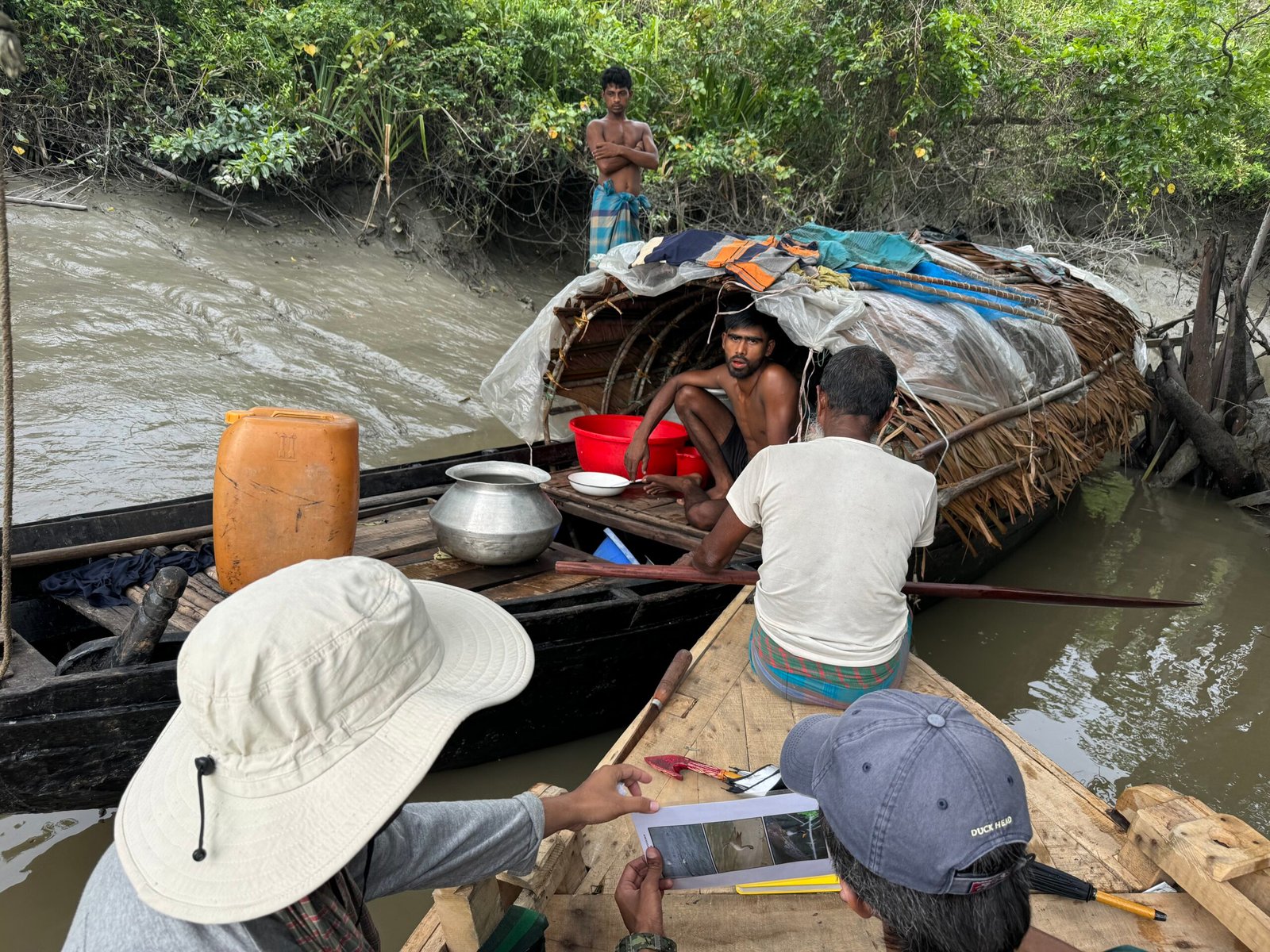
– assess threats, including hunting and egg collection, through field observations and local interviews
– generate baseline data to inform national and global conservation assessments
Phase II: recent research and conservation action (2024–present)
– revisit previously surveyed creeks to update population trends using nest counts
– conduct ecological studies to understand ecosystem-driven population decline
– reassess current threats and compare with baseline findings
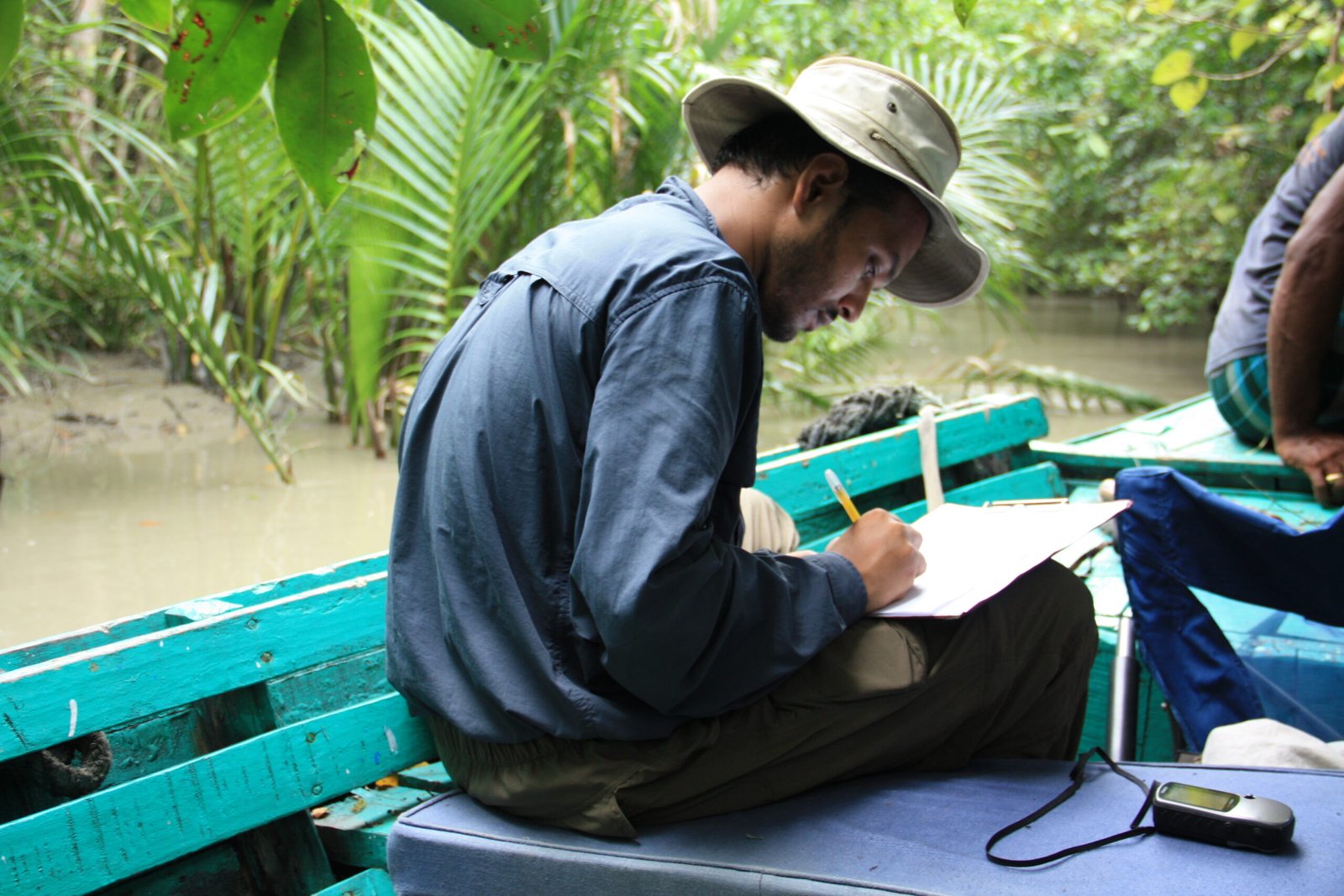
Phase I: baseline research (2011–2014)
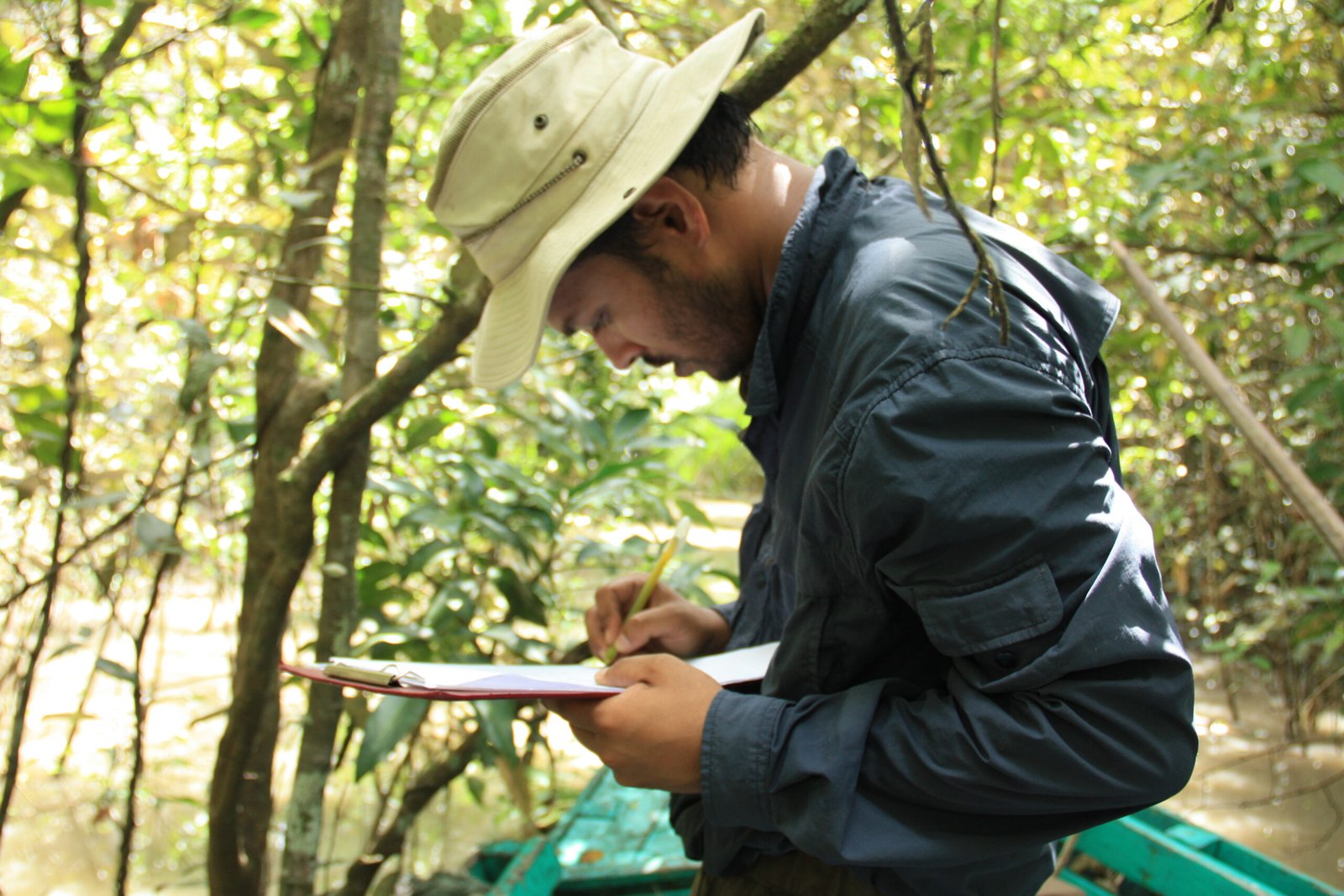
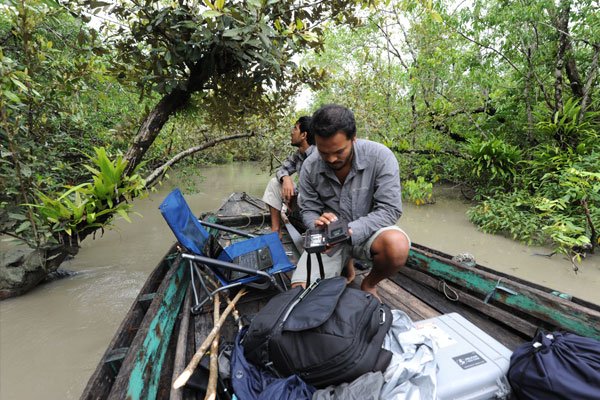
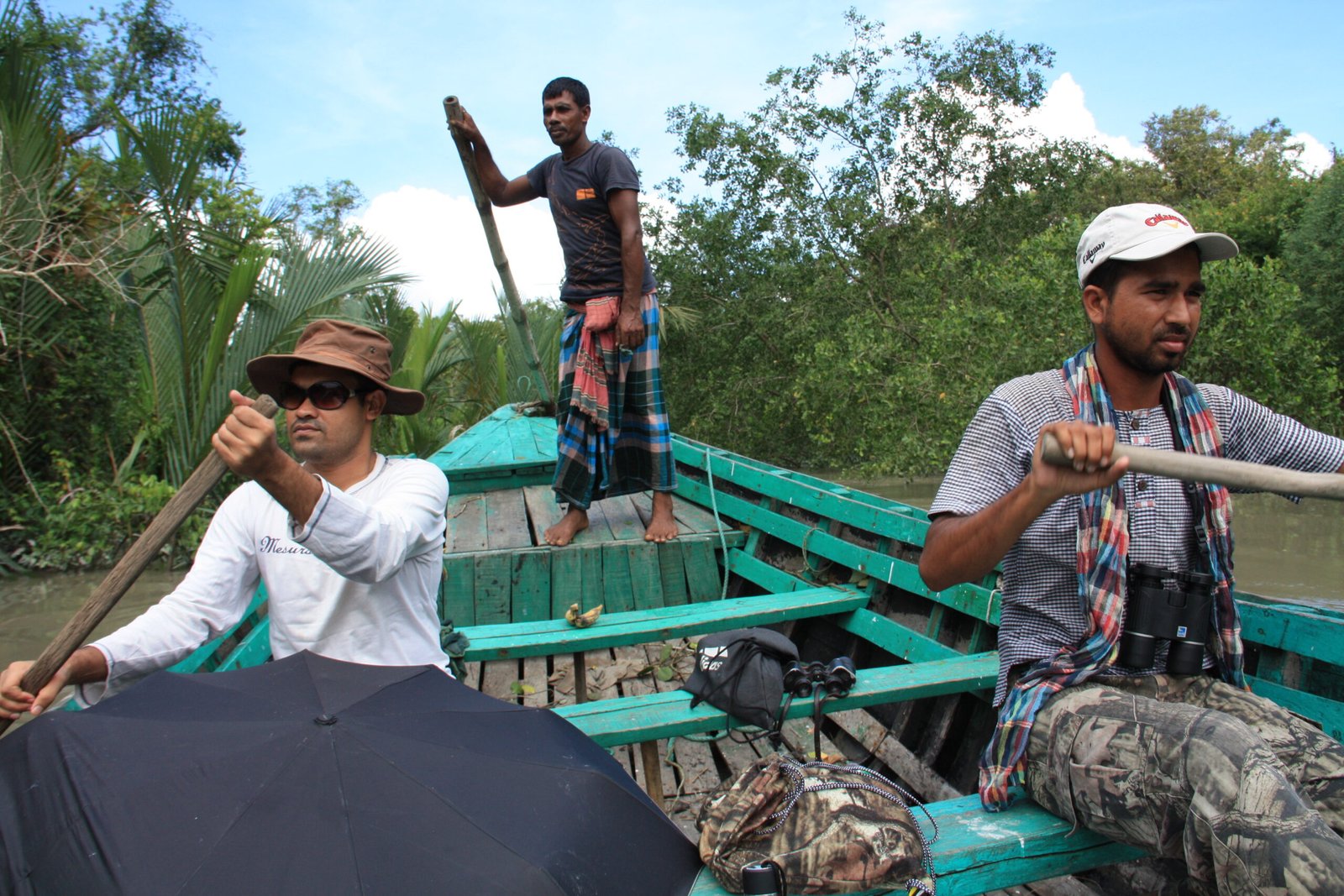
– conducted systematic breeding-season surveys across the eastern Sundarbans
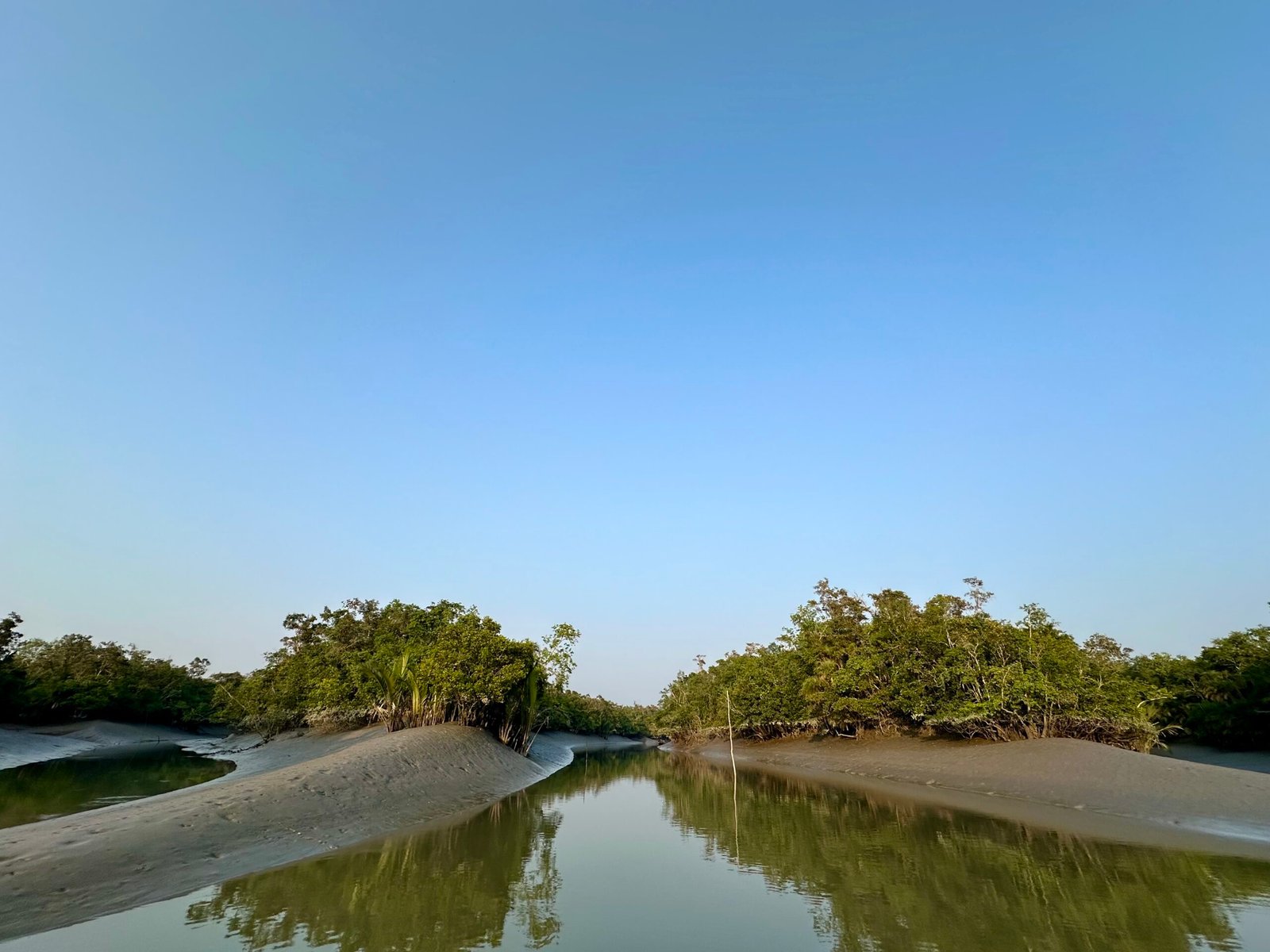
– surveyed 344 km of waterways to locate nests and identify breeding creeks
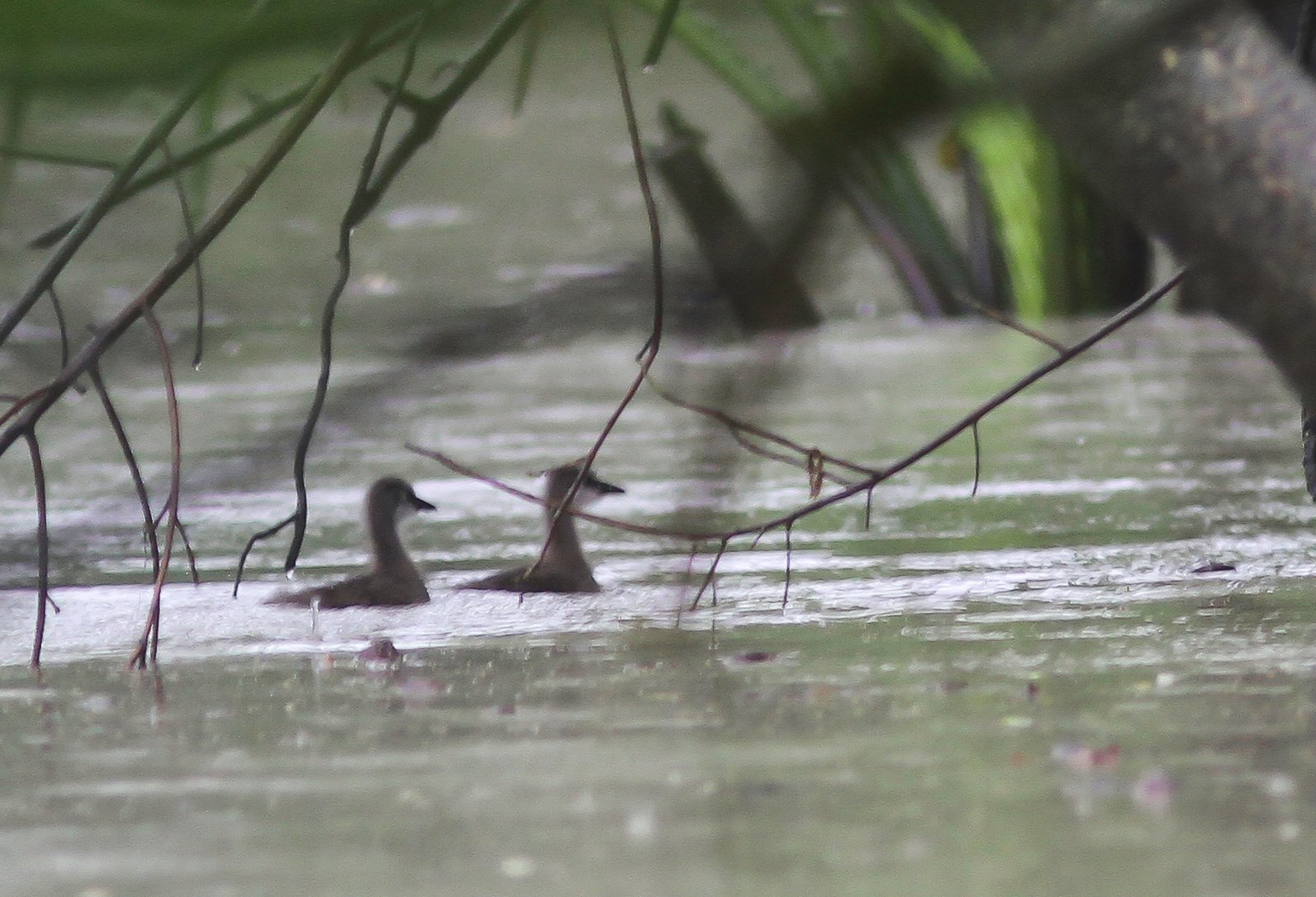
– monitored 25 nests and recorded detailed nest-site characteristics
– deployed camera traps to document breeding behaviour, incubation, and predation
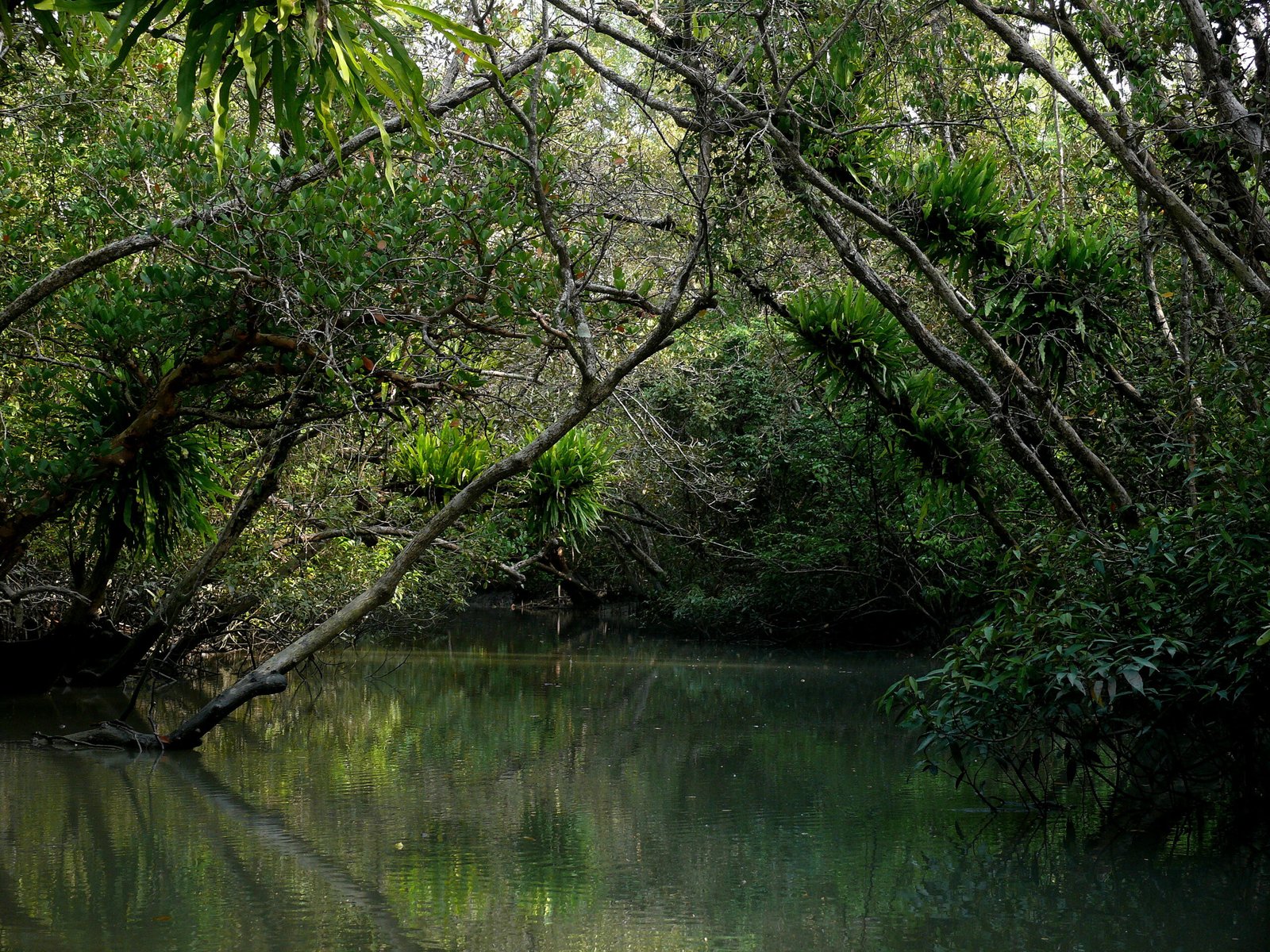
– collected habitat data including vegetation type, creek width, and nesting substrates
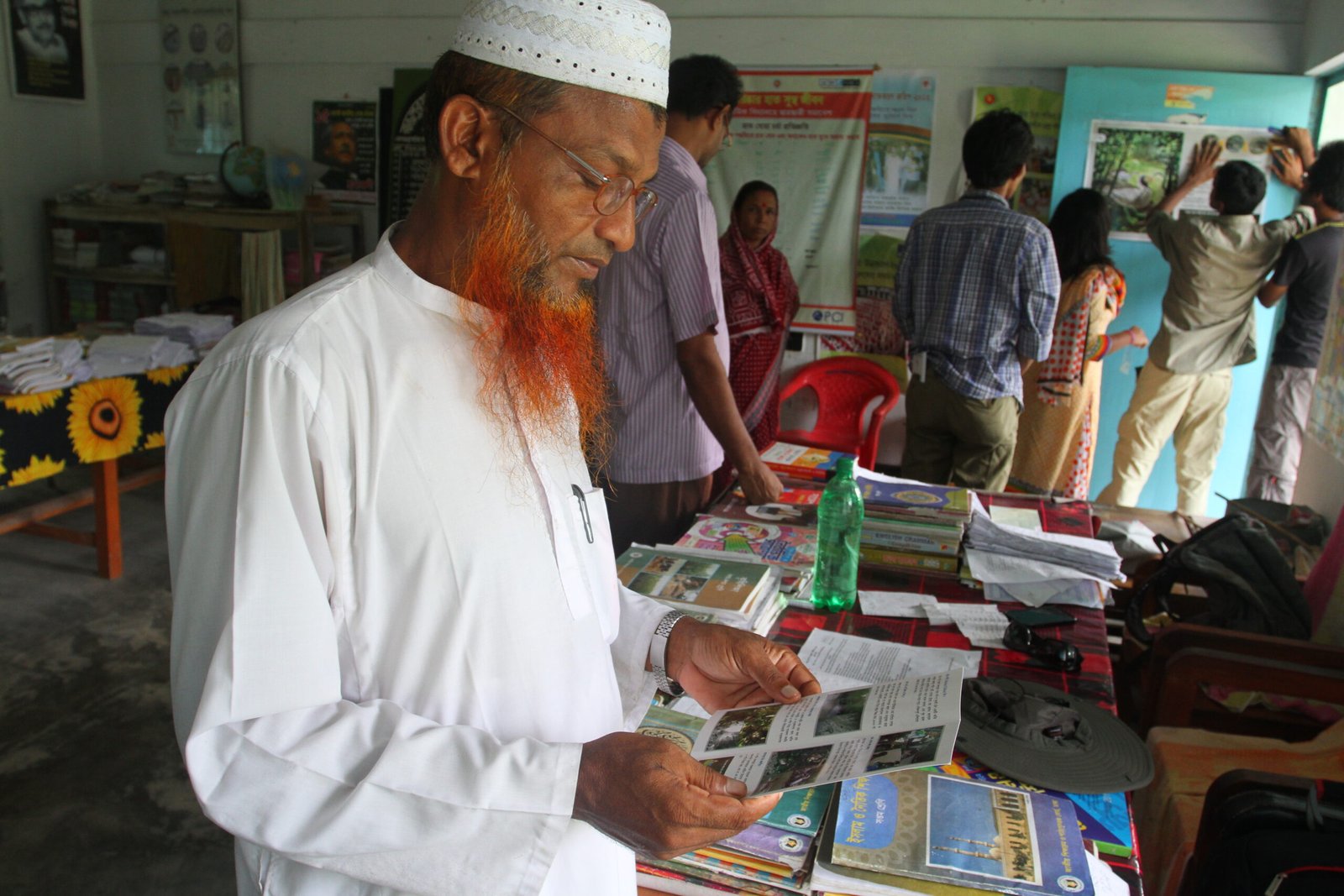
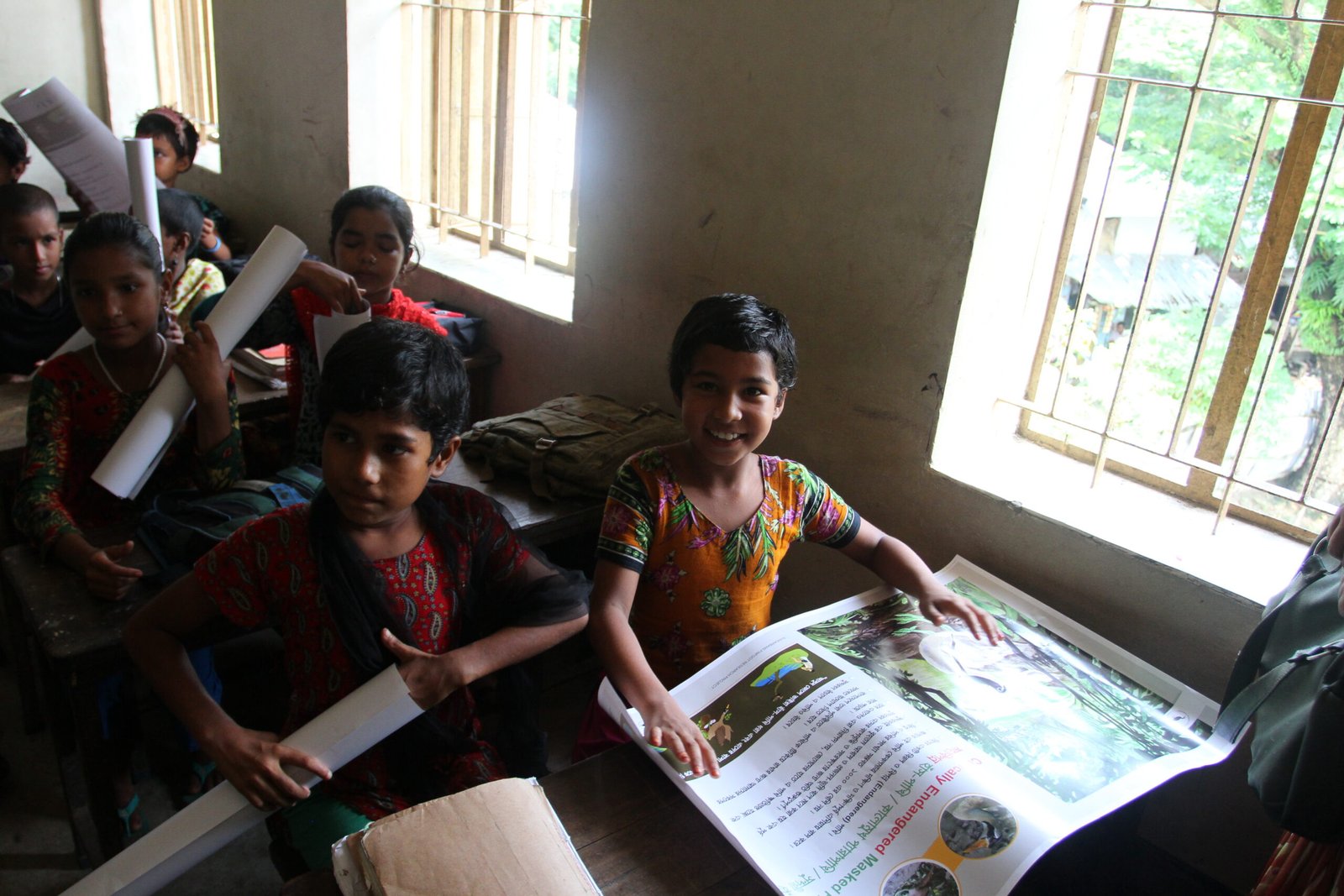
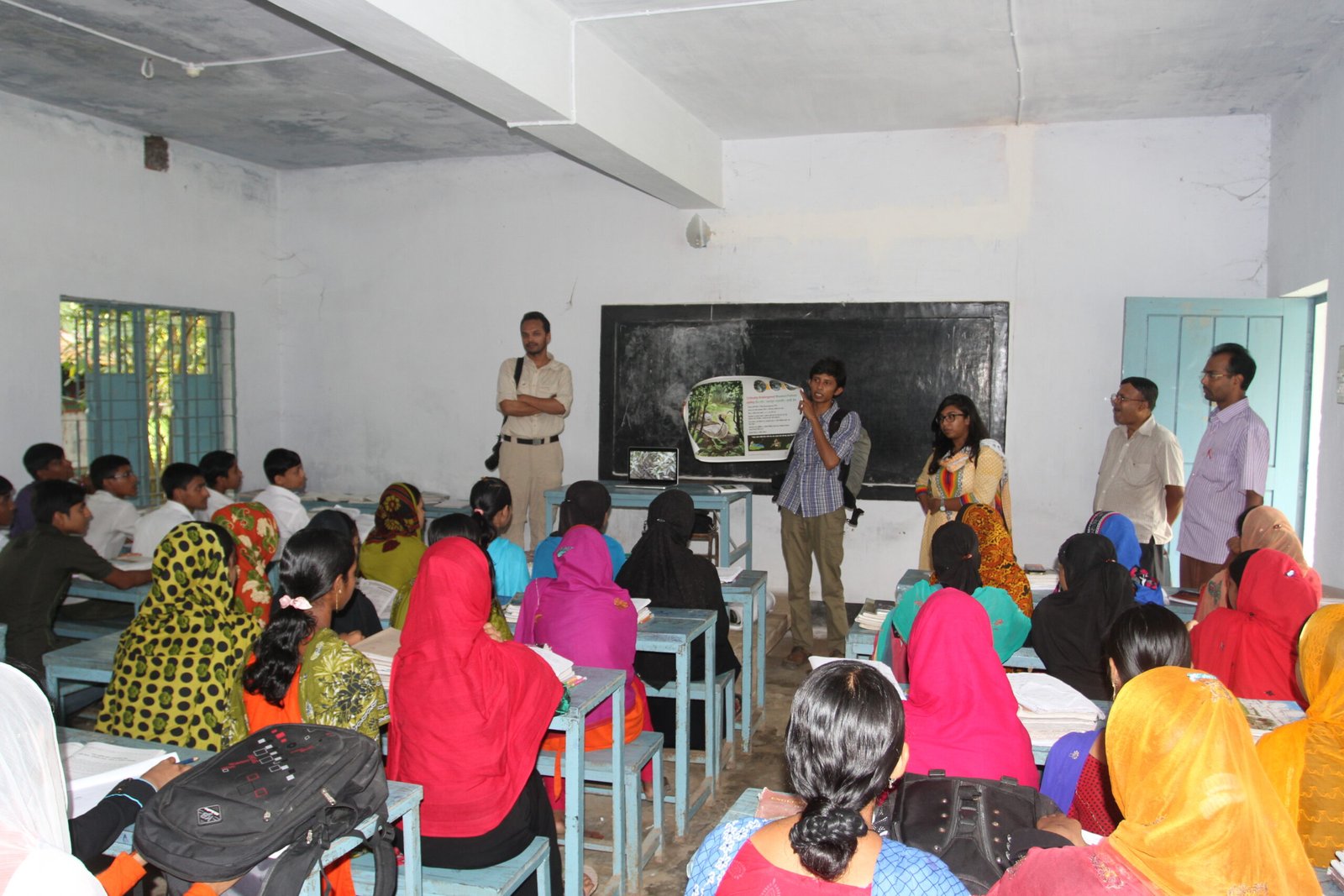
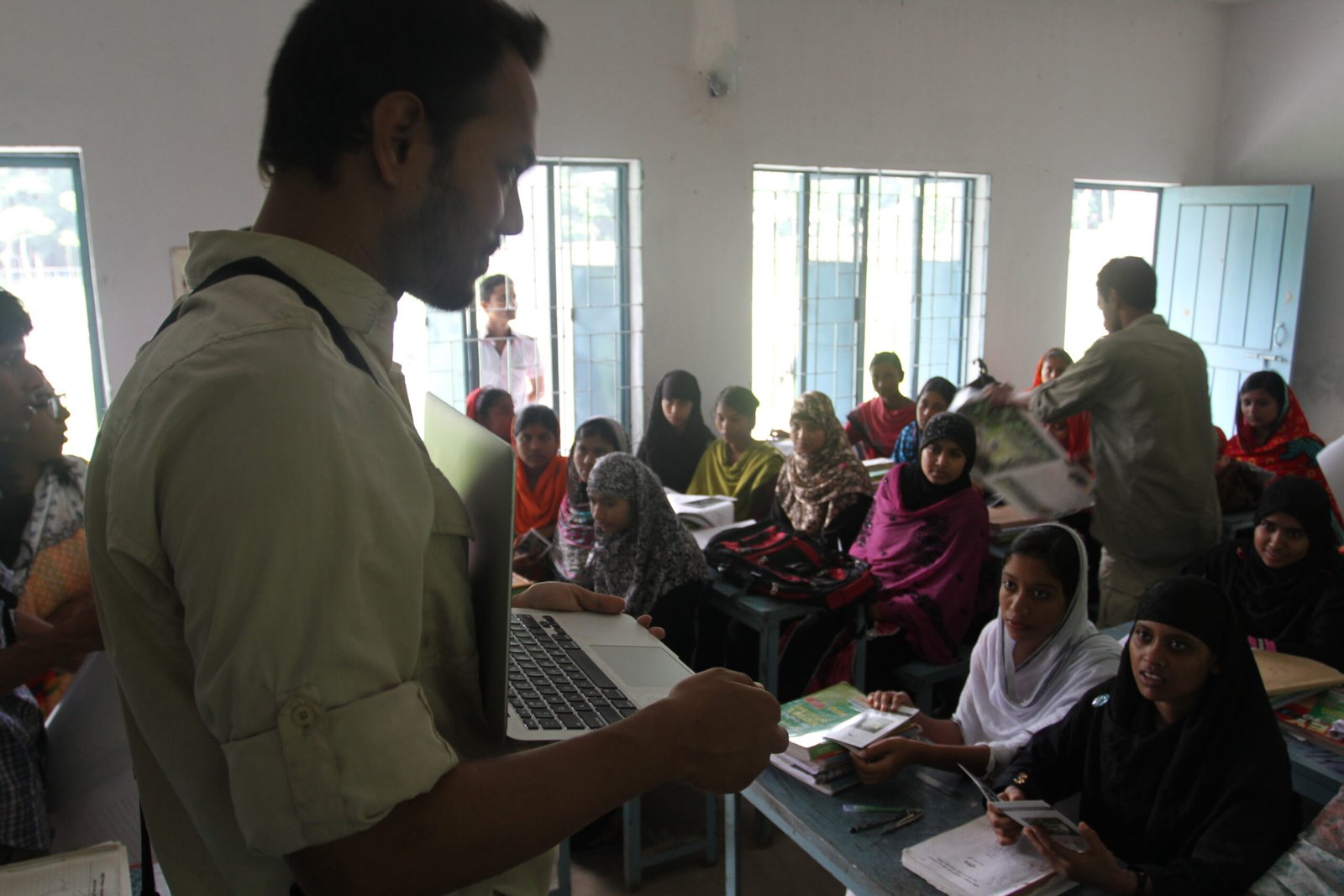
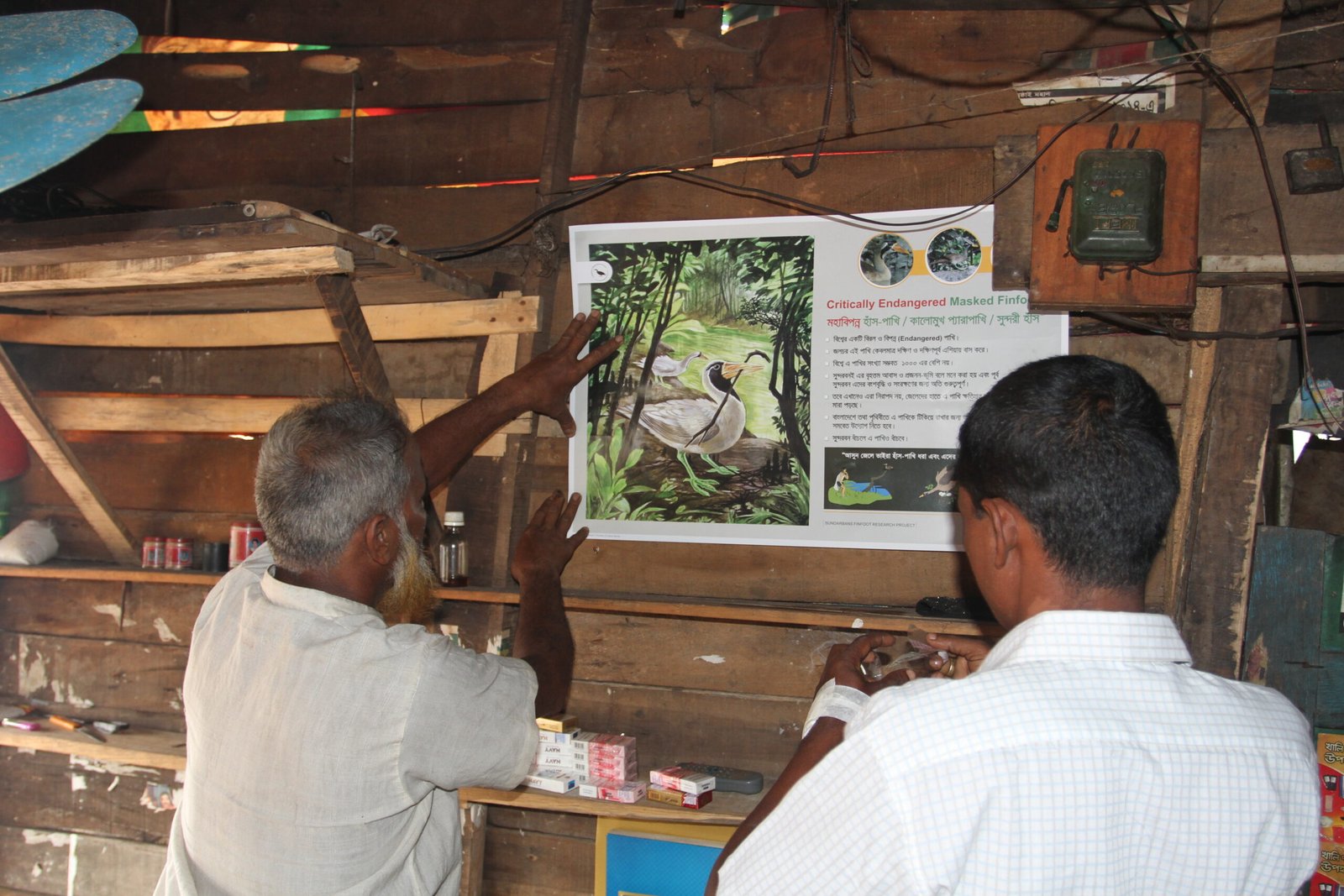
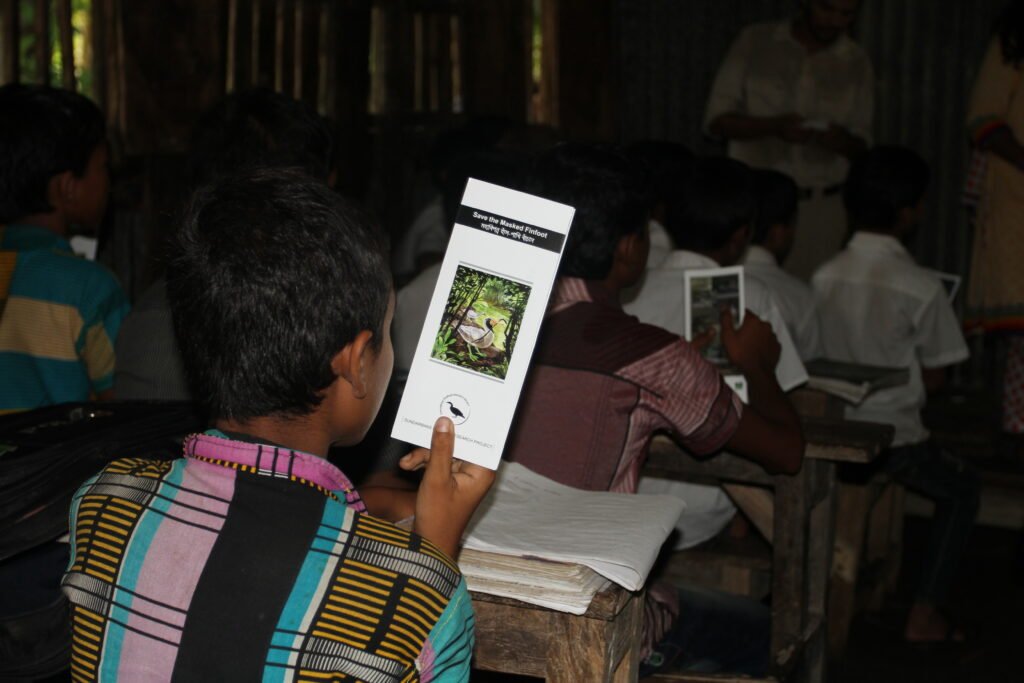
– carried out community outreach and awareness activities in buffer-zone villages
Phase II: recent research & conservation action (2024–present)
– mapped creeks across the Sundarbans using GIS and Sentinel-2 imagery
– applied stratified sampling to prioritise survey grid cells
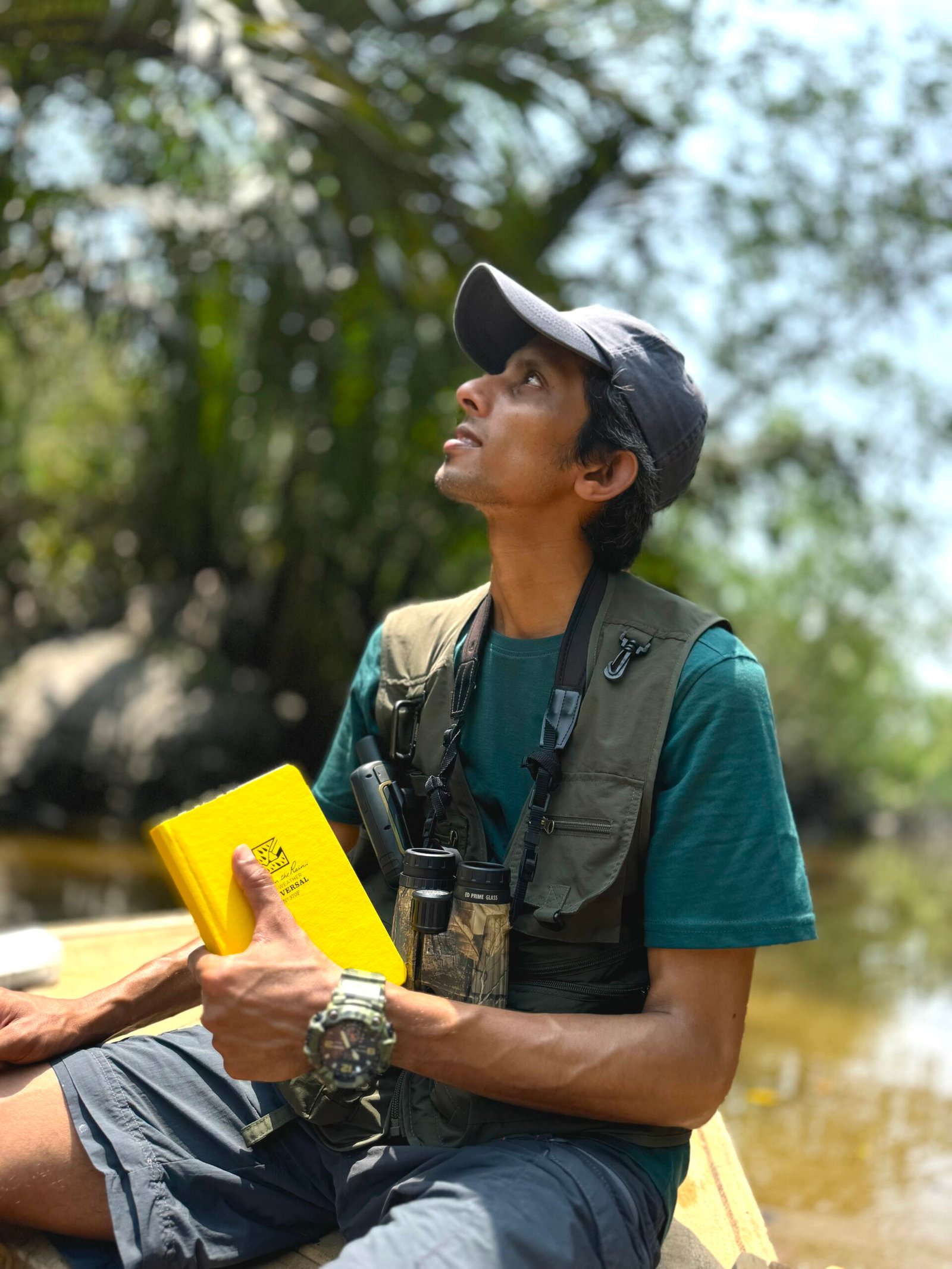
– conducted breeding-season expeditions to revisit historic and newly identified creeks
– recorded nest locations and collected ecological data such as salinity, habitat condition and prey density (crab)
– assessed disturbance levels, including fishing activity and human presence
– engaged Bangladesh Forest Department and IUCN Bangladesh in monitoring efforts
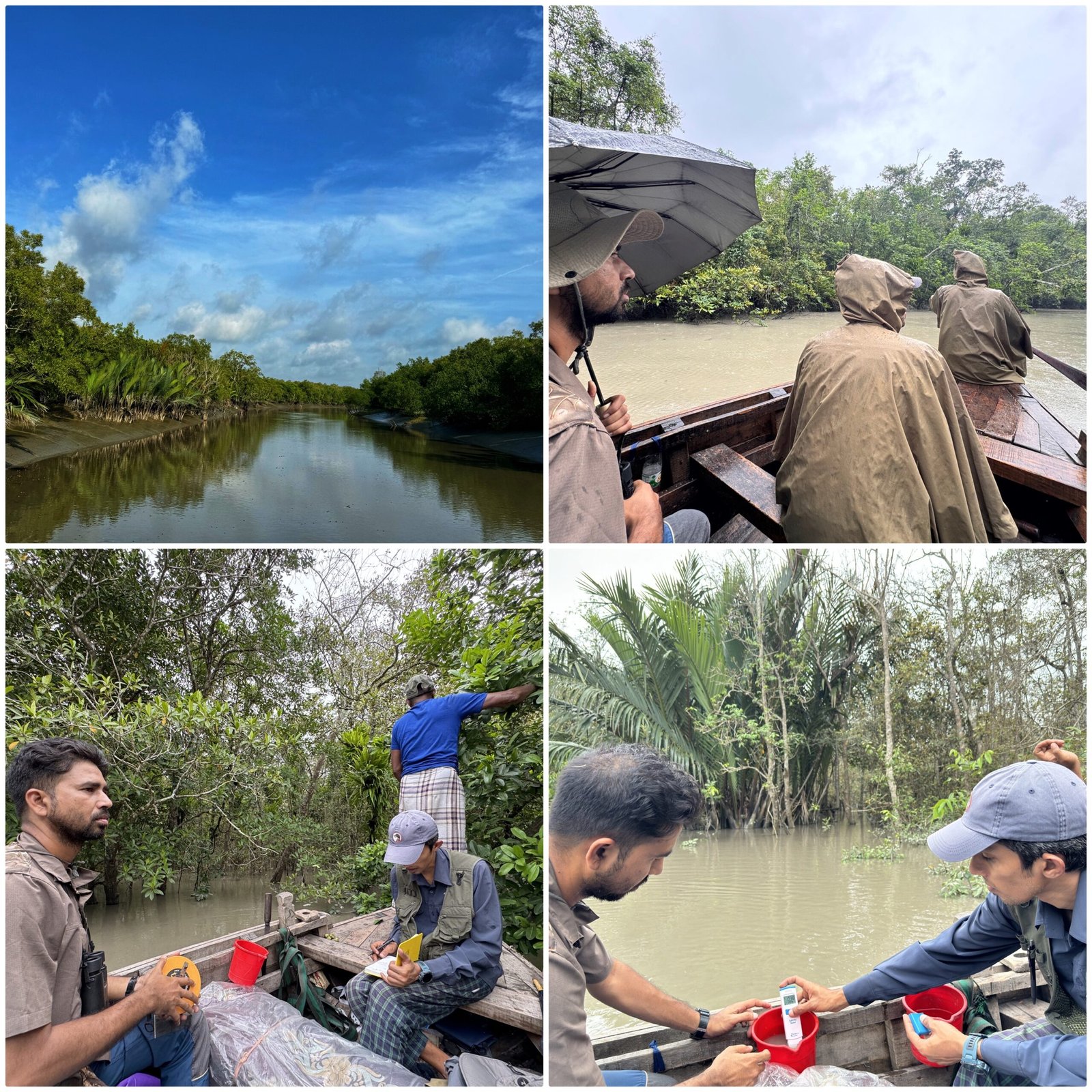
Phase I: baseline research (2011–2014)
– produced the first nest-based breeding population estimate for the Bangladesh Sundarbans
– identified key breeding hotspots concentrated in eastern Sundarbans
– generated baseline ecological data on nesting habitat and breeding behaviour
– documented threats including egg collection and disturbance
– published peer-reviewed findings that informed national and international conservation assessments
Phase II: recent research & conservation outcomes (2024–present)
– established a stratified monitoring framework covering the eastern breeding range
– updated breeding records confirming continued but low nest density
– generated new ecological datasets enabling assessment of habitat-driven population change
– improved understanding of current disturbance levels in breeding creeks
– strengthened collaboration with various stakeholders
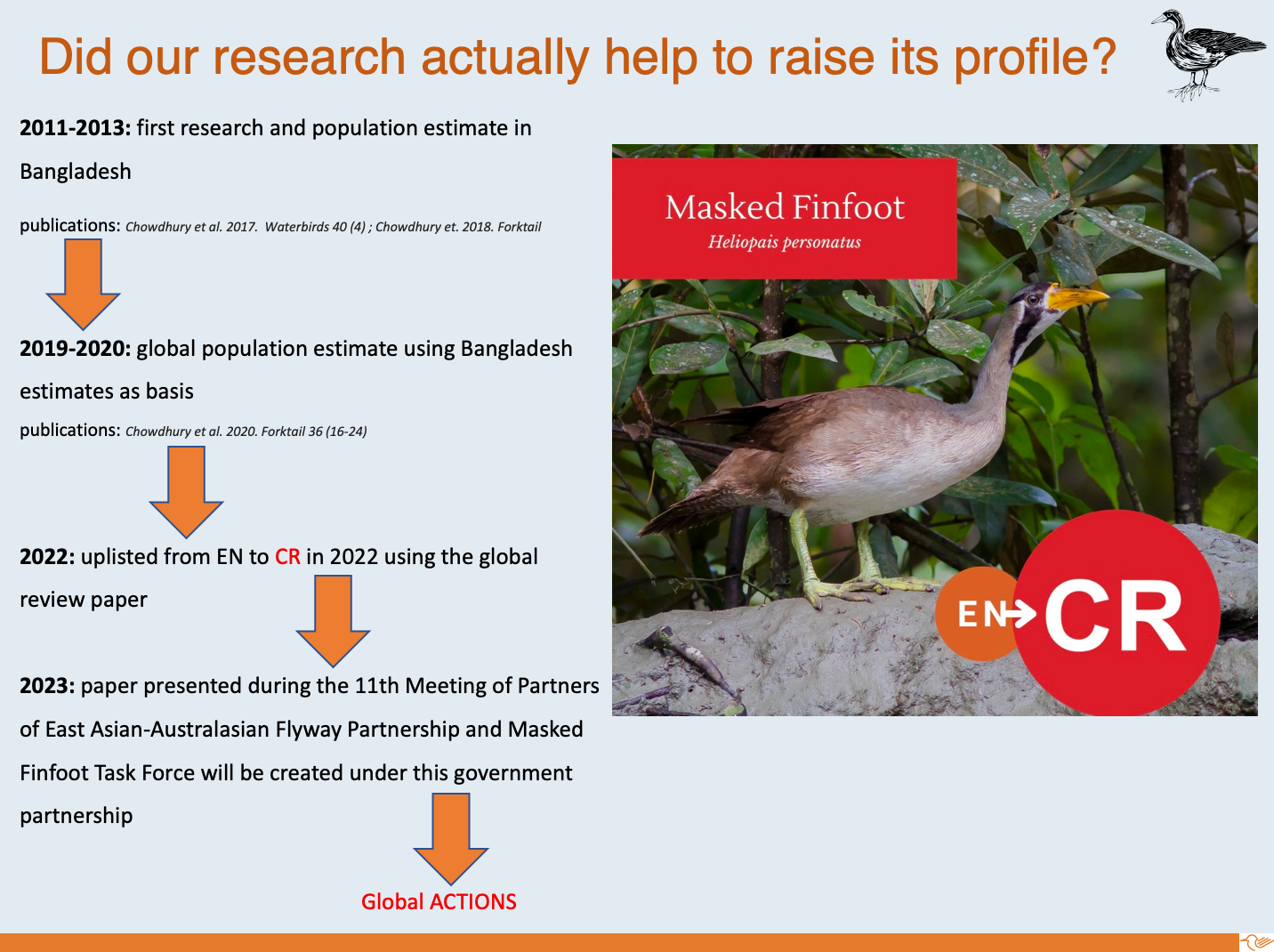
𓅣 Nesting Ecology and Habitat Preference of the Masked Finfoot Heliopais personatus in Sundarbans, Bangladesh | Waterbirds 40-4 (2020): 410–416.
𓅣 Observations on the breeding of the Endangered Masked Finfoot Heliopais personatus in Bangladesh | Forktail 30 (2014): 84–89.
𓅣 The status and distribution of the Masked Finfoot – Asia’s next avian extinction? | Forktail 36 (2020): 16–24.