Indian Spotted Eagle

Key species

Indian Spotted Eagle

Location

Wetlands of Bangladesh

Status

Completed

Duration

2015–2022

Target community

Science; local community

About the project

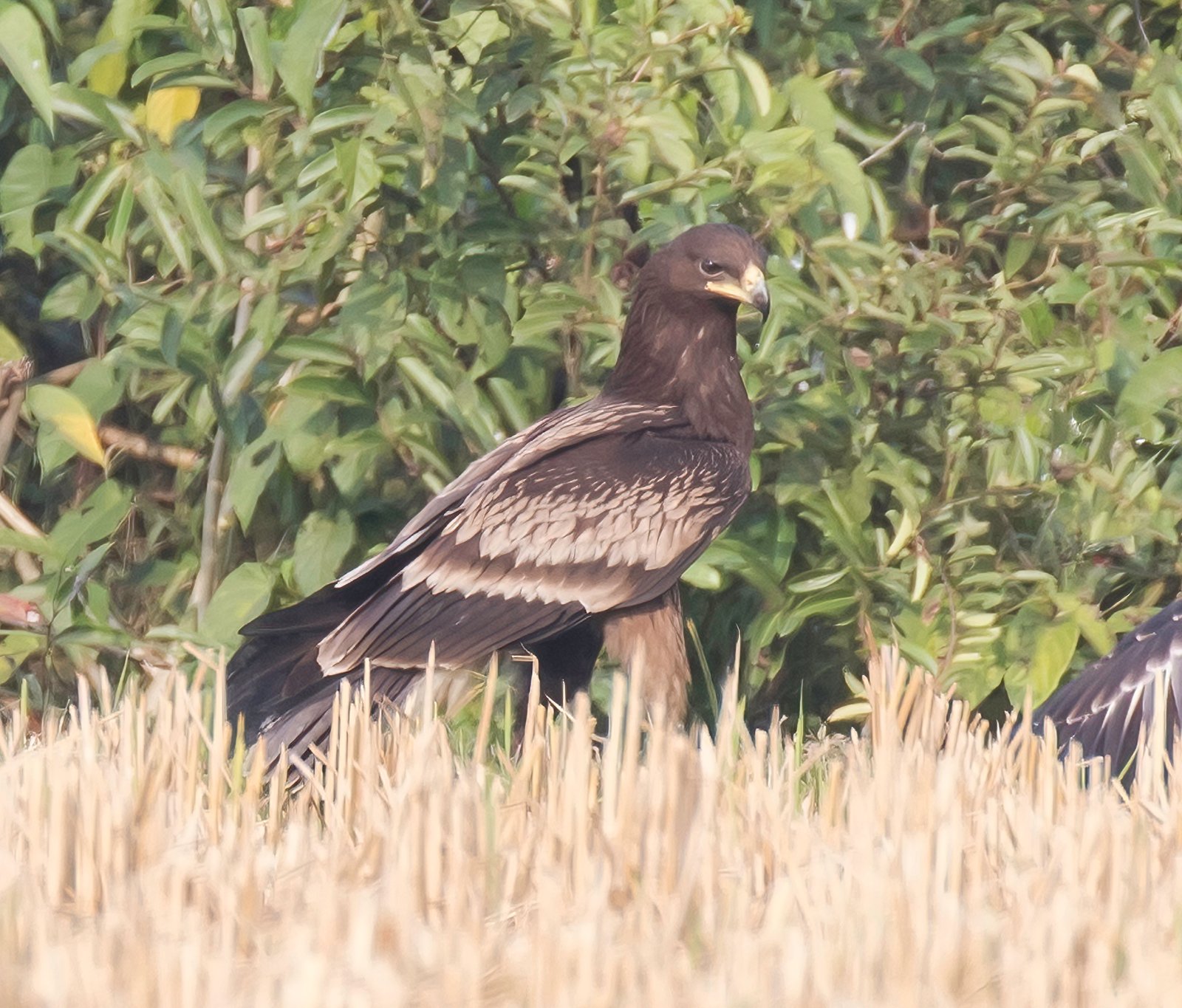
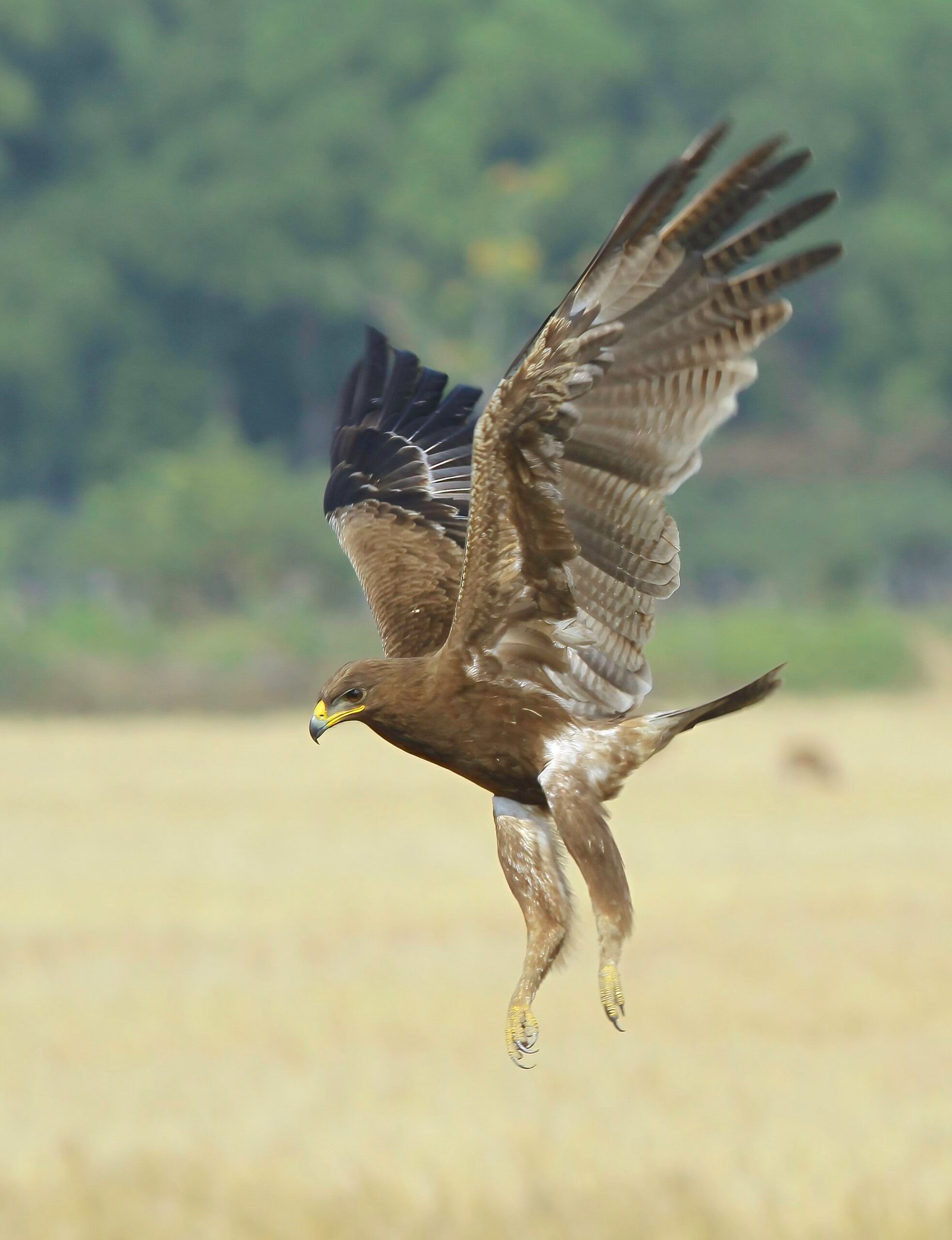
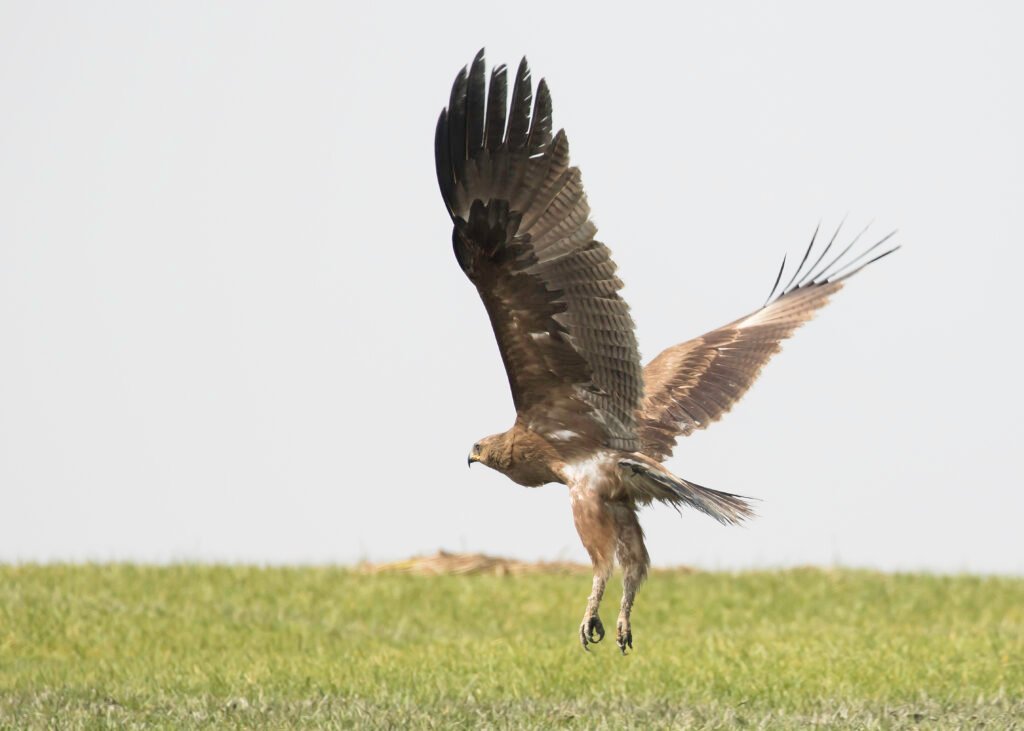
The Indian Spotted Eagle is a globally near-threatened resident raptor in Bangladesh, yet major work has not been done on this species except for some small-scale notes on its occurrence in Bangladesh. No information was available on it’s the extent of the decline, trend and population size, breeding biology, diet, breeding habitats, threats in Bangladesh

To address this gap, SCOPE Foundation initiated a project in 2015. Under the project a systematic study conducted between 2017 and 2019. By generating baseline data and raising awareness, the project sought to lay the foundation for future conservation action.

The problem

– limited information on the breeding biology and ecology in Bangladesh

– habitat degradation and disturbance in breeding habitats

– low public awareness of the species’ conservation status

The cause

– absence of targeted surveys and systematic monitoring

– weak documentation of its breeding ecologu

– limited integration of raptor conservation into land-use planning

The solution

– conduct systematic field observation to understand breeding ecology and mortality

– document habitat use and site-specific threats

– engage communities and local stakeholders to promote awareness and protection

Project Goal

To improve understanding and conservation of the Indian Spotted Eagle in Bangladesh through research, site identification and community engagement.

Project Objectives

– understand breeding ecology, chick mortality and habitat use

– assess habitat characteristics and threats at key sites

– raise awareness among local communities and authorities

– provide baseline data to support future monitoring and conservation action

Activities

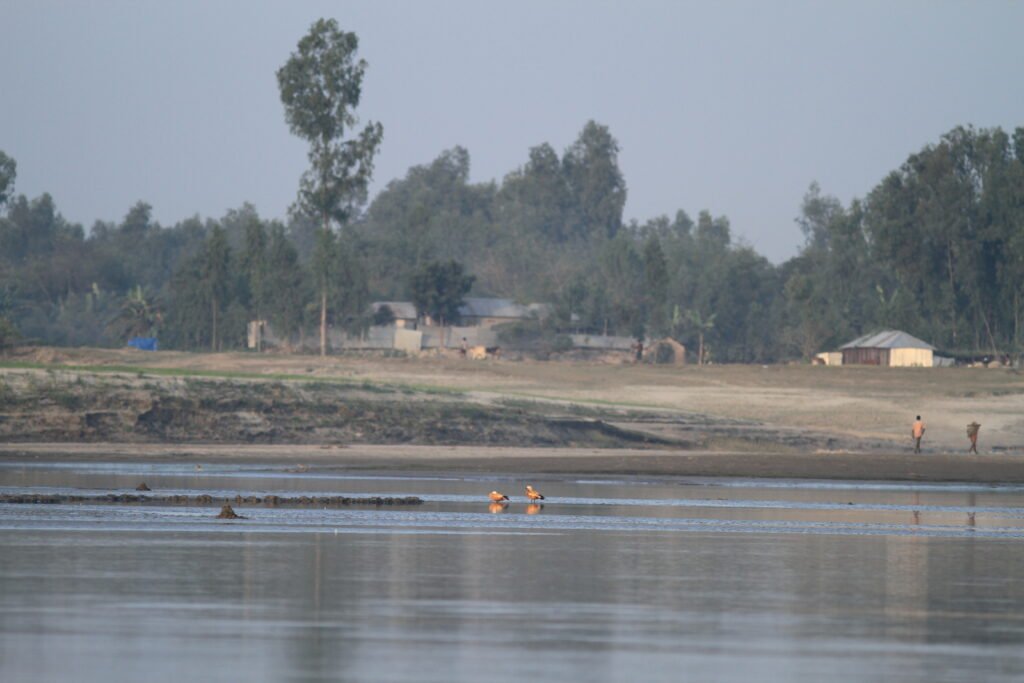
Between 2015 and 2022, systematic surveys were conducted across selected wetlands and agricultural landscapes to locate Indian Spotted Eagles and identify nesting sites. Habitat characteristics, land-use patterns and disturbance pressures were documented.

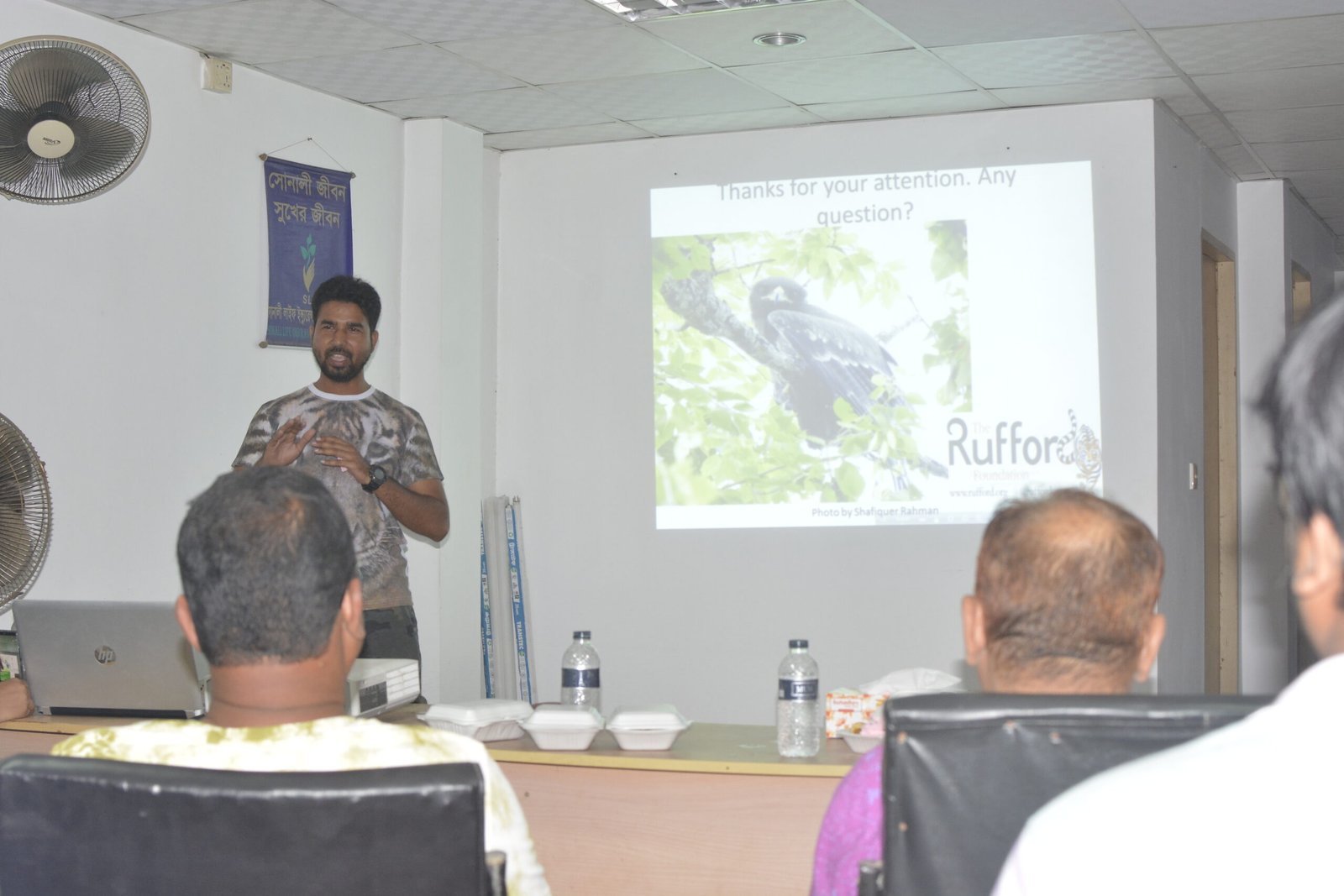
Community consultations and awareness meetings were held near key sites to reduce disturbance and promote protection of roost trees. Findings were compiled into technical reports and shared with conservation stakeholders and relevant authorities.

Outcomes

Scientific outcomes

– Three new breeding pairs were discovered during 2018–2019, along with numerous additional sightings across the country. These records have improved understanding of the species’ distribution and will support the development of an updated national distribution map. Ongoing surveys continue to identify new nest sites, providing a stronger basis for future conservation planning.

– This is the first focused study of the Indian Spotted Eagle in Bangladesh and one of the few detailed assessments of its breeding biology globally. The study showed that seasonal storms are the primary cause of chick mortality and nest loss. Reproductive output was low, typically one fledgling per successful pair, and pairs do not breed every year.

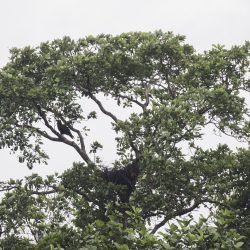
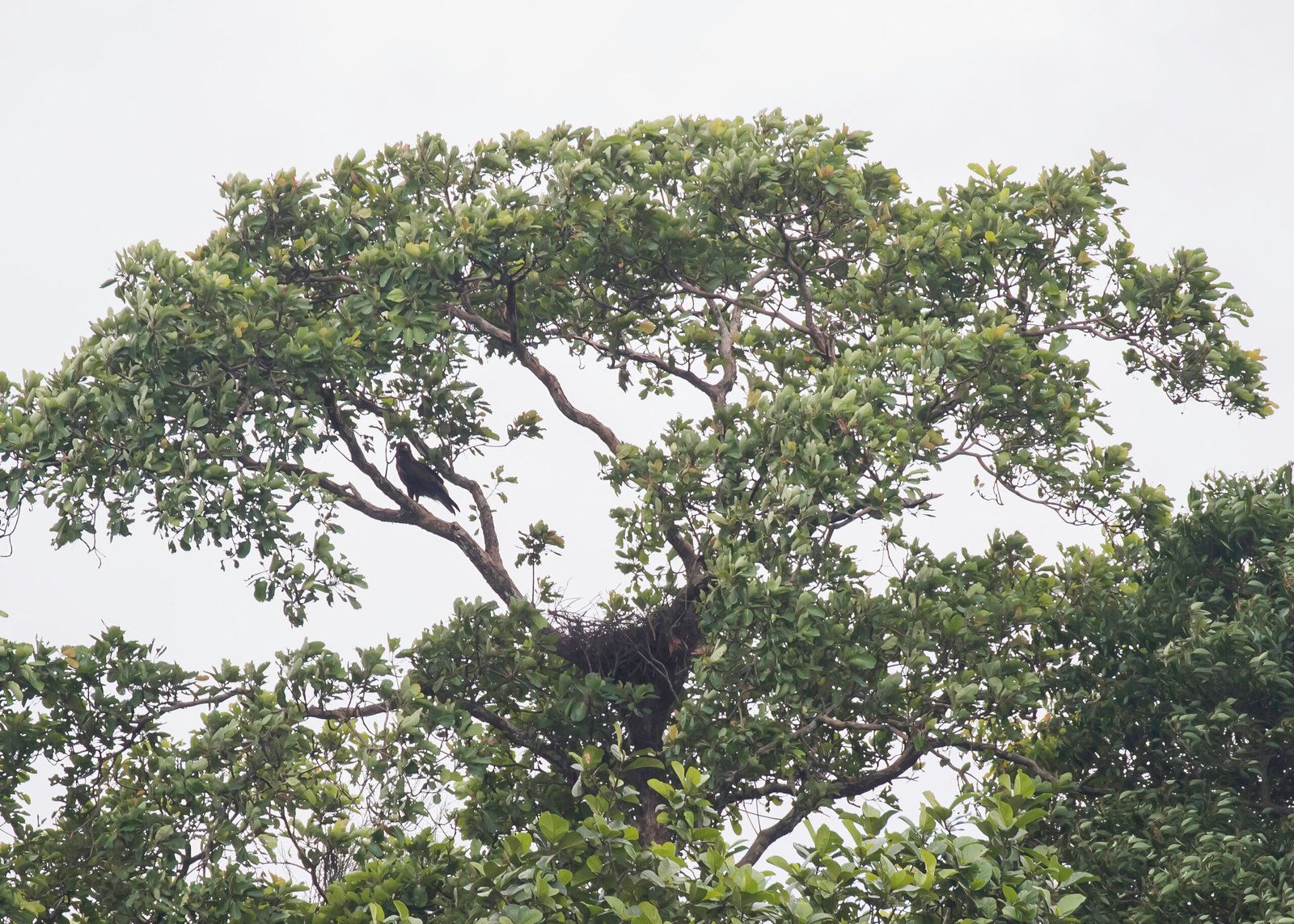
– The project documented key aspects of nesting ecology, including preferred nesting tree species (Shorea robusta, Mangifera indica, Bombax ceiba, Dalbergia sissoo and Polyalthia spp.) and habitat use, with most nests located near agricultural fields. These ecological insights provide essential information for developing a future conservation action plan.

The study generated the first structured conservation baseline for this nationally and globally threatened and poorly known species in Bangladesh.

Community engagements

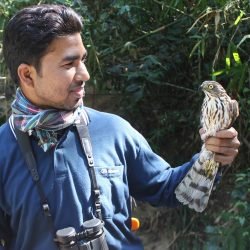
– The project adopted a citizen science approach, training local birdwatchers and wildlife photographers to correctly identify the species. This improved data quality, led to new sightings and nest discoveries and involved participants in nest monitoring activities.

– Engagement with local farmers around nesting areas increased awareness of the species’ role as a natural pest controller. Farmers gained a better understanding of the impacts of habitat loss and excessive pesticide use on both wildlife and human well-being.

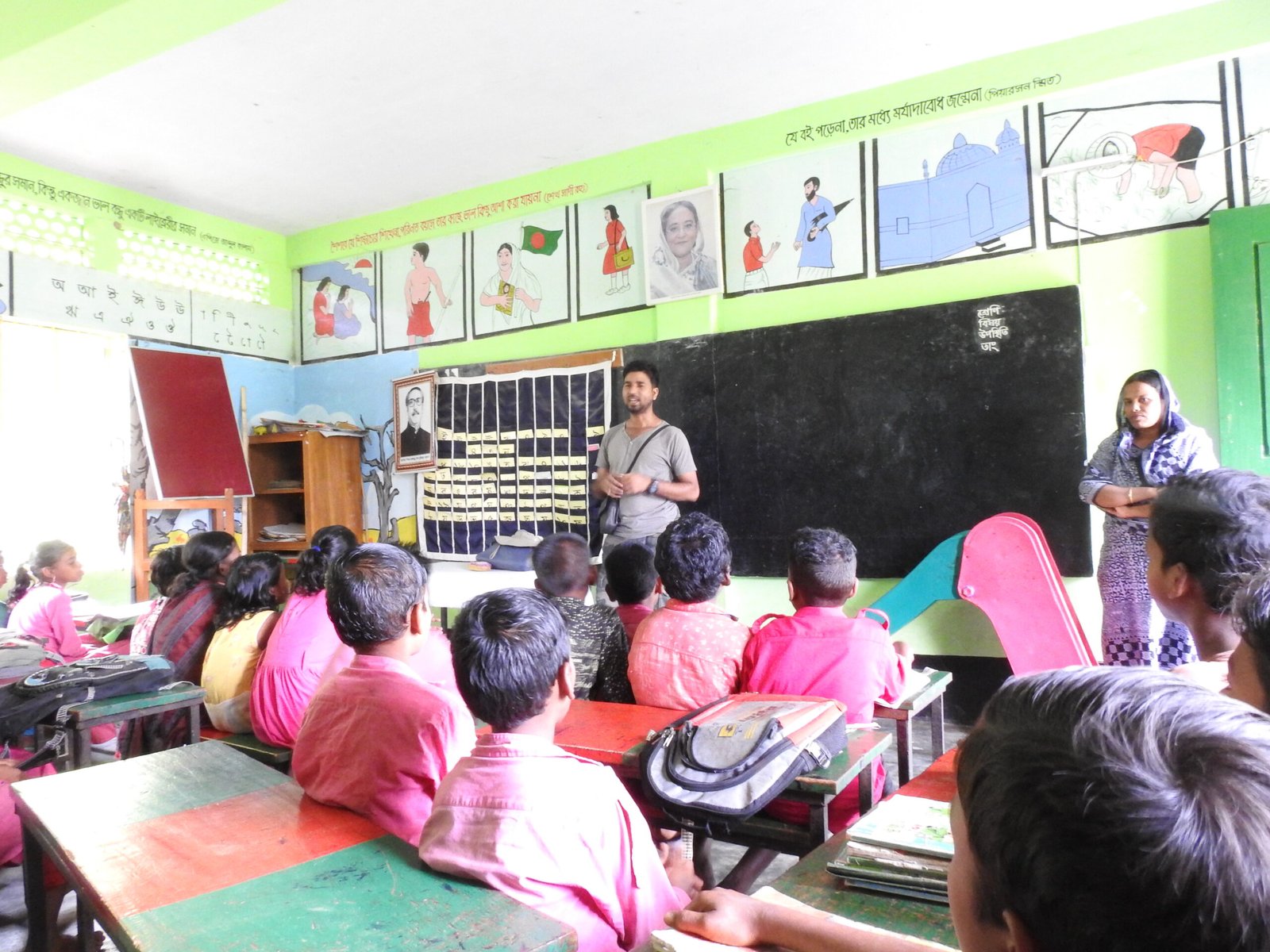
– Awareness programmes conducted in schools, bird clubs and with the Bangladesh Forest Department improved knowledge of raptors and biodiversity conservation among a wide range of audiences.

– The project motivated students and young conservationists to take an interest in raptor research and conservation, contributing to local capacity building.

– Local bird guides, including members of ethnic communities, were involved in fieldwork.
Meet the Team

Md. Foysal

Mohammod Foysal

Principal Investigator

Indian Spotted Eagle nest

SCOPE Team

Field surveys

Image Library

Our Partners and Donors

Facebook
LinkedIn
X