Pallas’s Fish Eagle

Key species

Pallas’s Fish Eagle

Location

Northeast Bangladesh

Status

Active

Duration

8 Years +

Target community

Local people | NGOs | Govt.

About the project

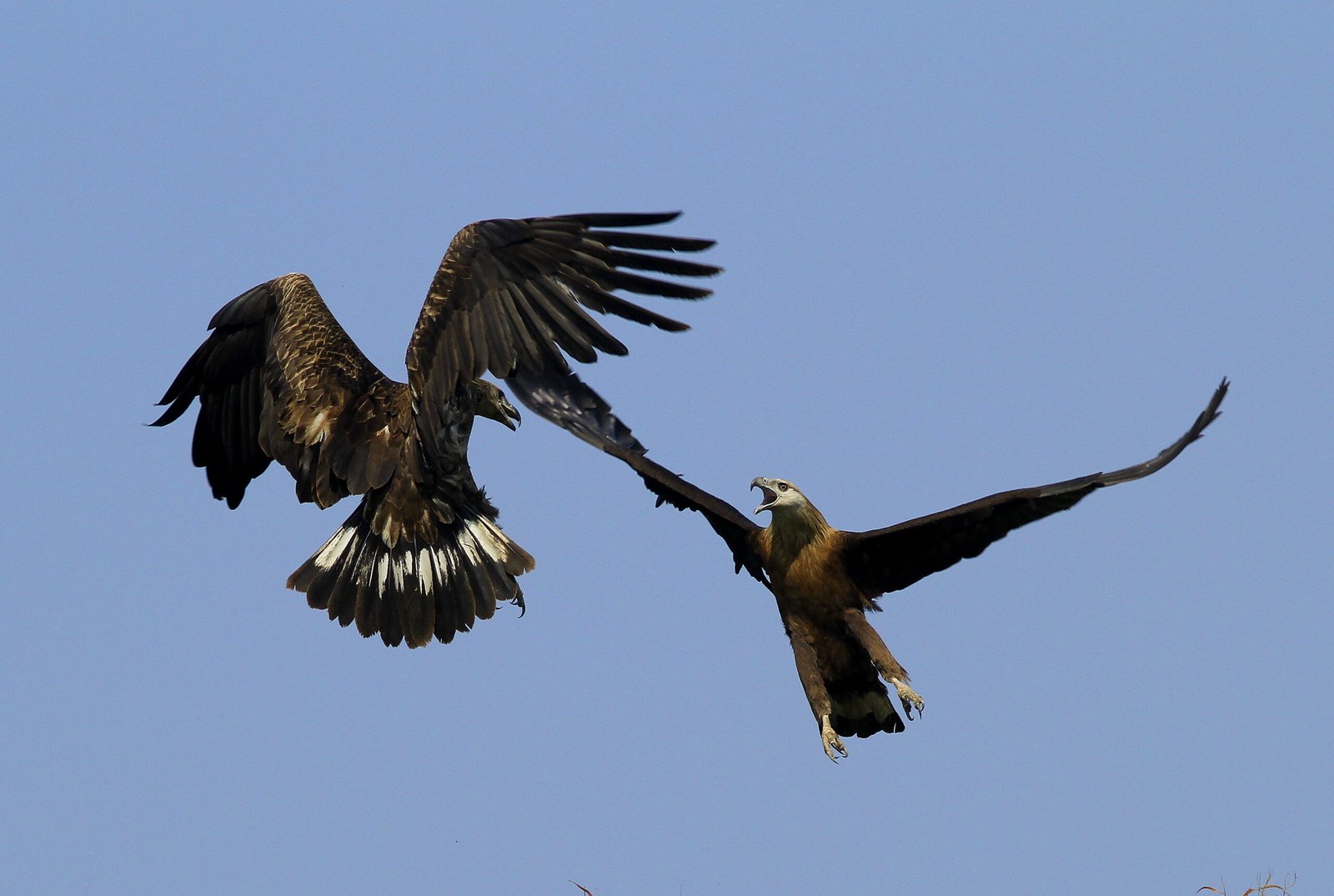
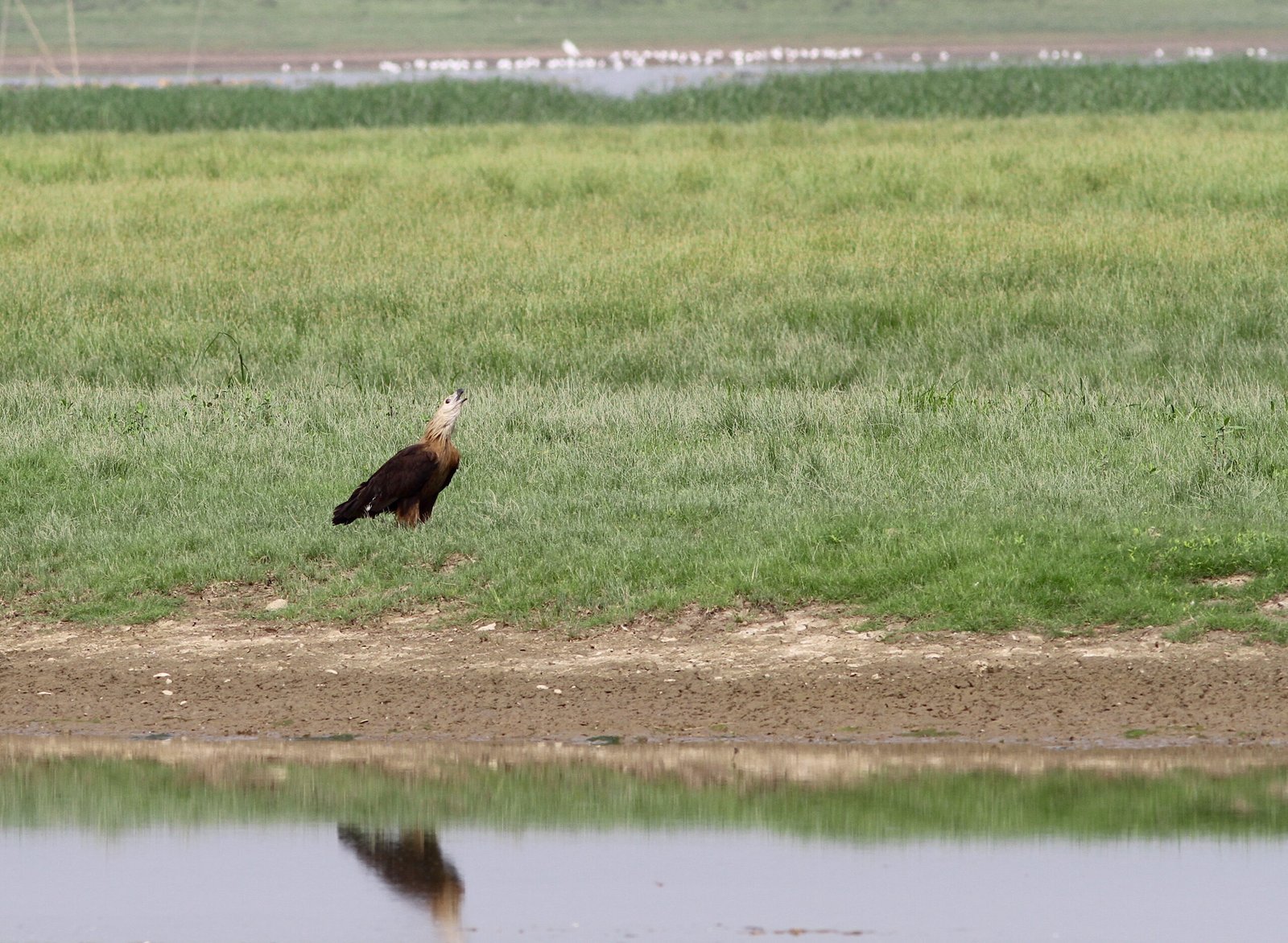
The Pallas’s Fish Eagle is a globally Endangered raptor associated with large freshwater wetlands, rivers and floodplain systems of Asia. The species breeds in inland wetlands of north-east Bangladesh, north-east India, Nepal and parts of Myanmar during boreal winter. In Bangladesh, breeding occurs primarily during the dry season in the north-east haor basin, where permanent wetlands provide foraging habitat and tall trees support nesting. After the breeding season, many individuals disperse more widely, spending the non-breeding season along larger river systems, reservoirs, and extensive wetlands across the region.

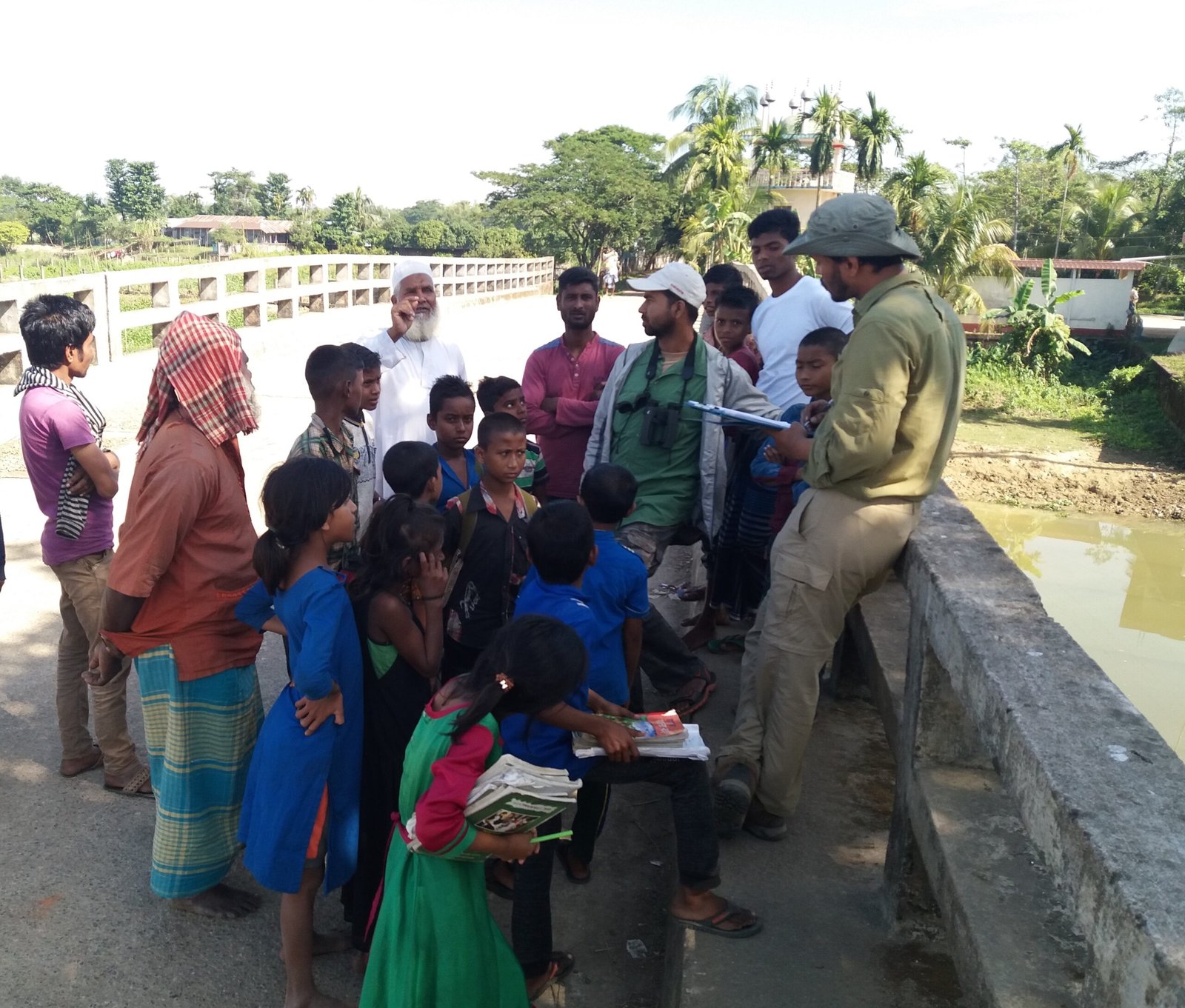
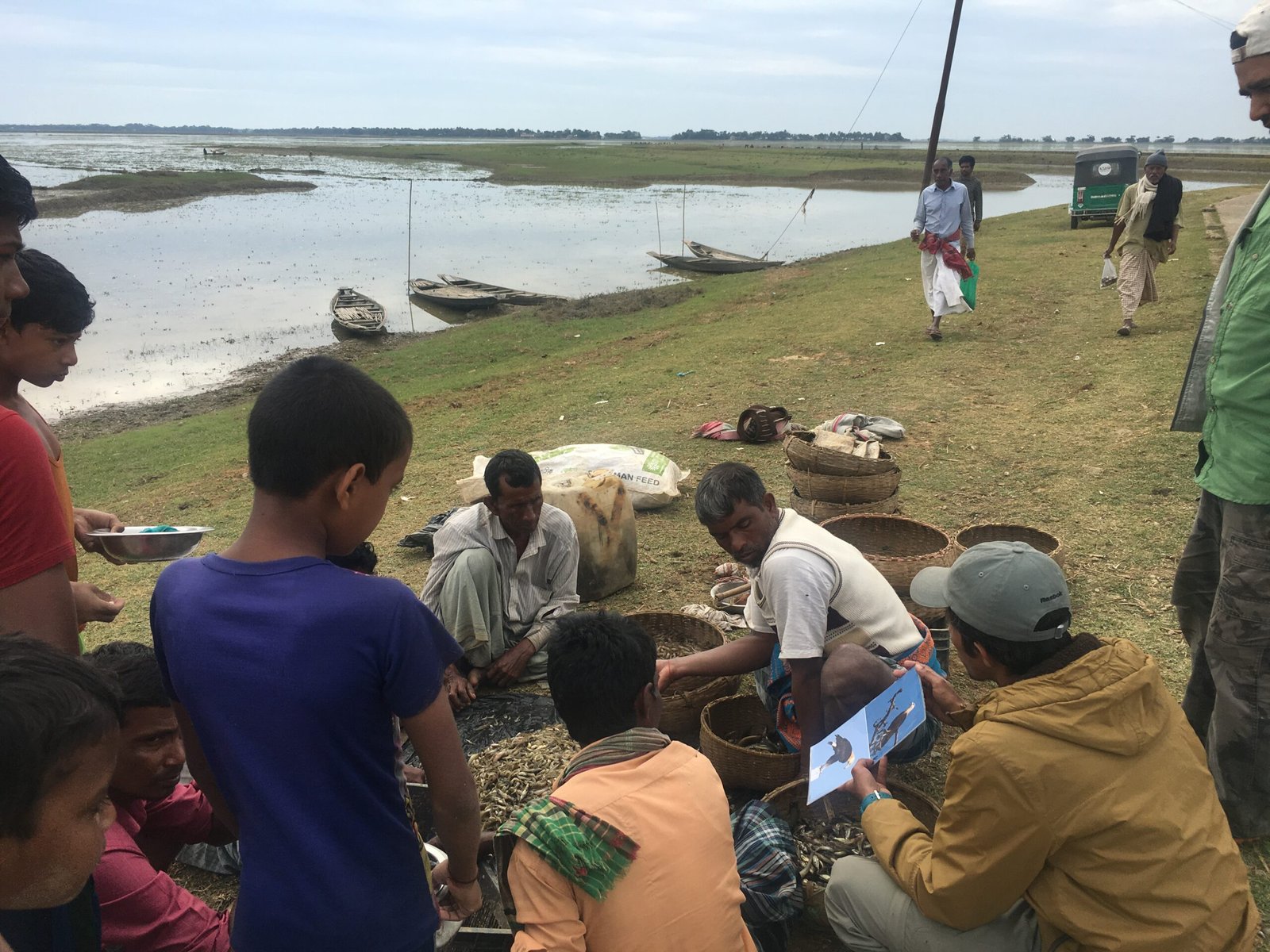
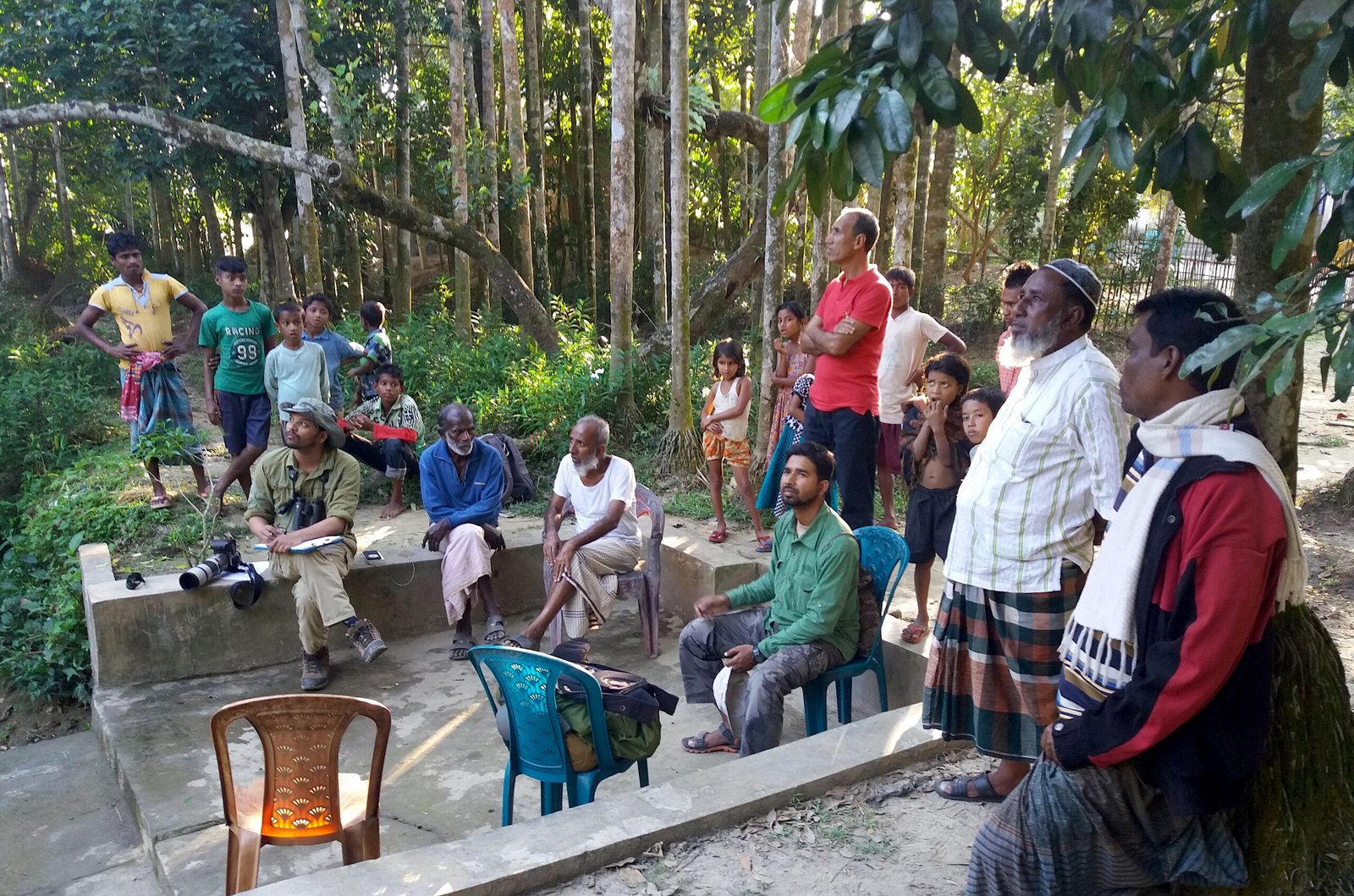
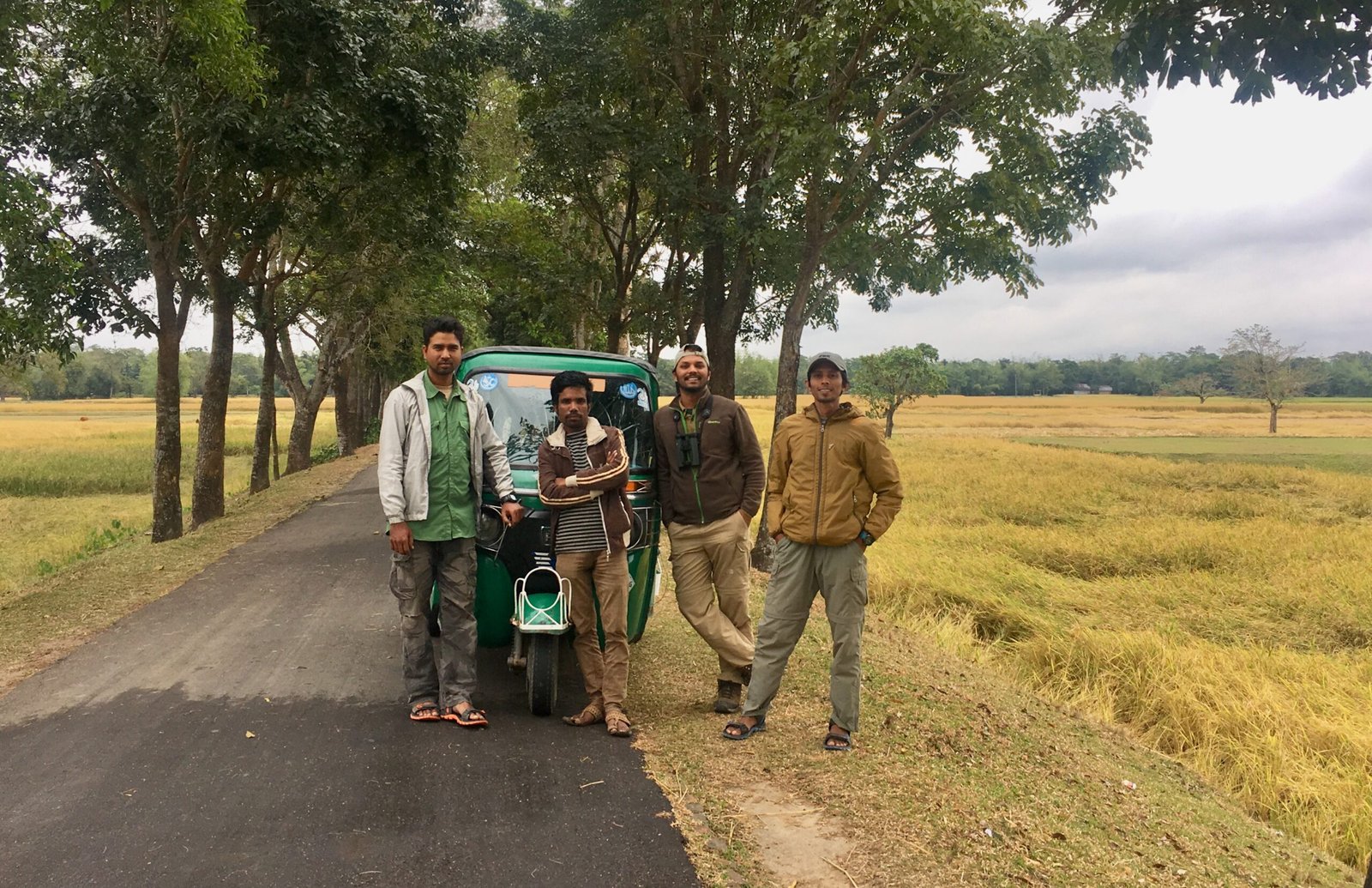
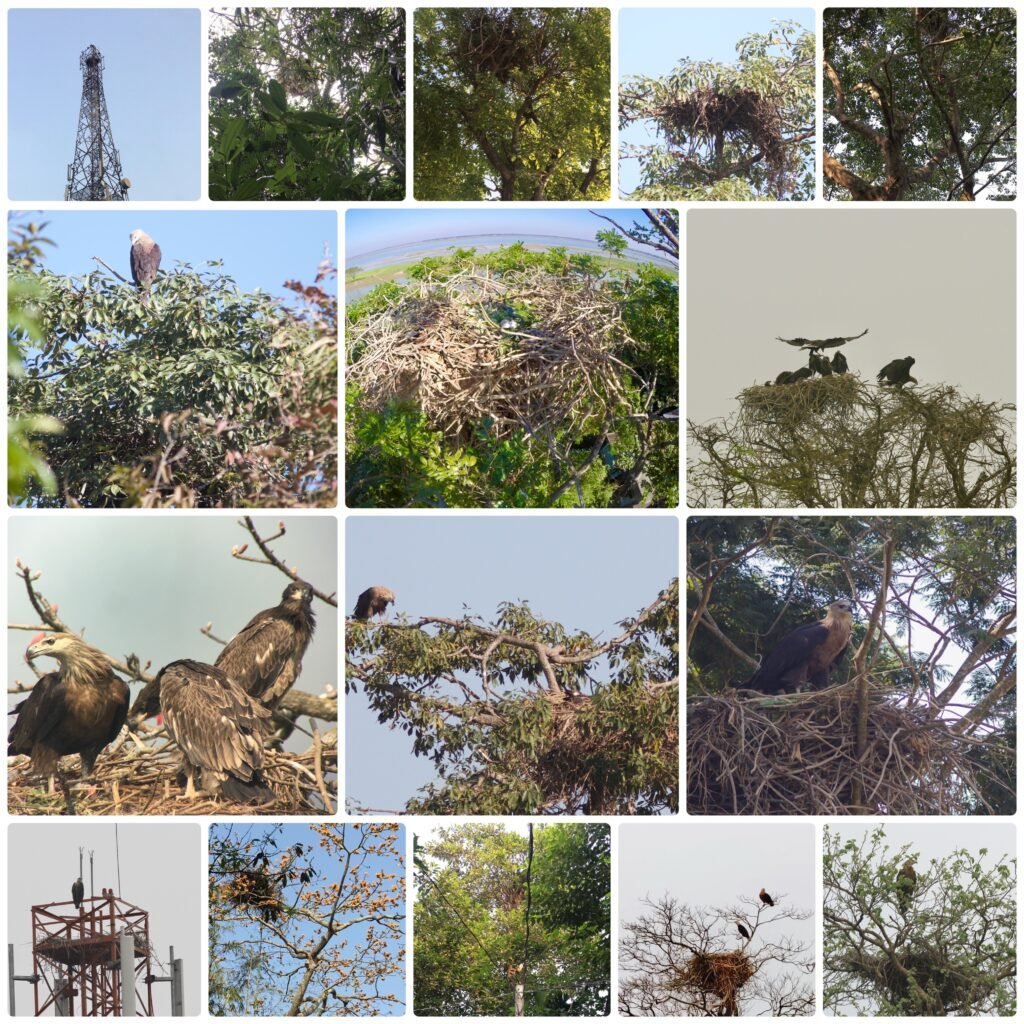
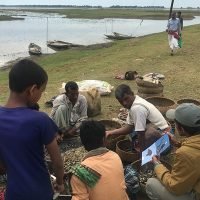
Despite Bangladesh likely supporting one of the most significant breeding populations globally, the true size, distribution and nesting density of the species remained poorly understood prior to systematic research. To address this gap, SCOPE Foundation developed and applied an innovative community-based interview approach across a 4,150 km² breeding landscape in 2017–2020. By systematically interviewing local fishers, farmers and wetland users — the project efficiently identified nesting sites that would have been extremely difficult to detect through conventional survey methods alone.

The project revealed that north-east Bangladesh supports a concentrated breeding population closely linked to permanent wetlands and mature nesting trees. Building on this scientific foundation, SCOPE now combines nest monitoring, habitat assessment and community-based protection measures to reduce threats such as nest tree felling, storm-related chick mortality and wetland degradation. By integrating ecological research with local knowledge and stewardship, the project strengthens coexistence and secures Bangladesh’s role as a critical breeding stronghold for this iconic wetland eagle.

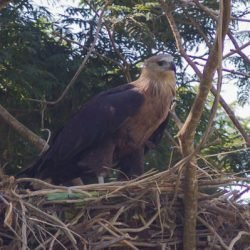
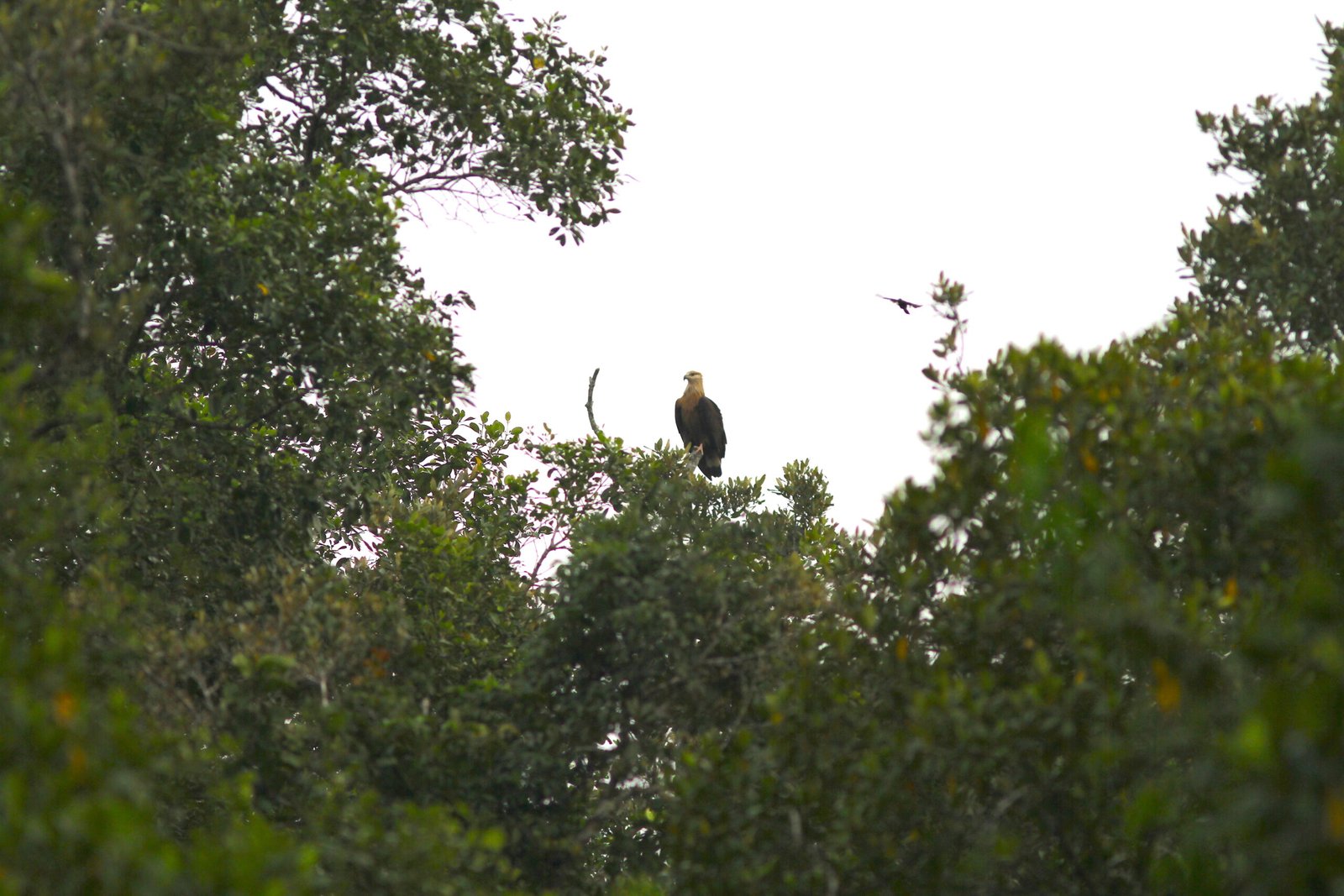
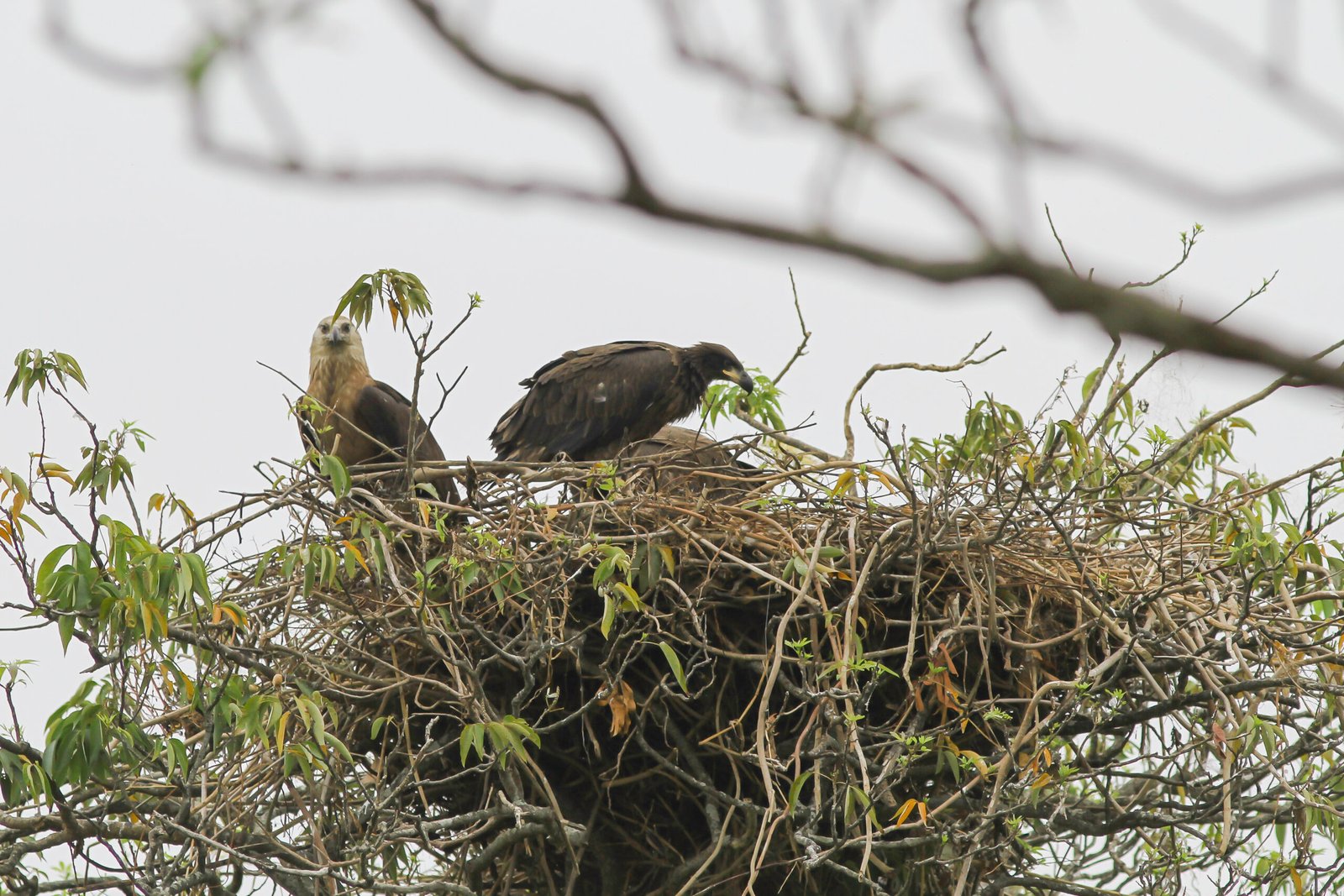
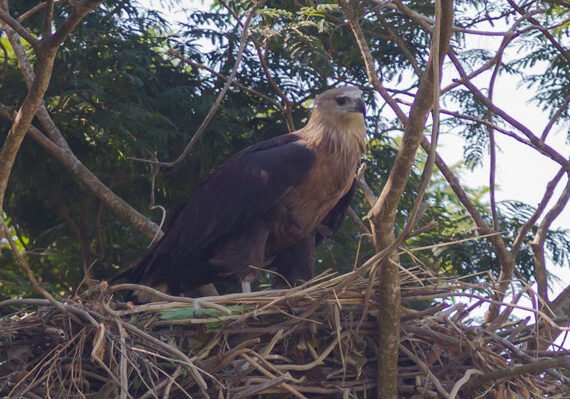
Pallas's Fish Eagle on its nest | NE Bangladesh

The problem

– the breeding population size, distribution and nesting density in north-east Bangladesh were poorly understood

– key nesting areas and habitat requirements were not comprehensively identified

– population decline due to habitat loss, tree felling, disturbance, electrification and storm-related nest failure

Pallas's Fish Eagle

The cause

– absence of large-scale, systematic surveys across the breeding landscape

– limited understanding of nest-site selection and habitat associations

– wetland degradation (14.6% loss of permanent wetlands between 2010–2020 ) and local threats

our_works_4

The solution

– conduct large-scale, community-based interview surveys combined with field verification

– analyse nesting ecology and habitat characteristics using field measurements and remote sensing

– implement site-based conservation including nest guardian schemes and community engagement

Activities

Project Goal 
secure and sustain the breeding population of Pallas’s Fish Eagle in north-east Bangladesh through science-based monitoring, habitat protection, and community-led conservation.

Project Objectives 

– determine population size, nesting density and spatial distribution across the breeding landscape

– identify priority nesting clusters and key habitat characteristics

– assess current threats affecting nests, nest trees and freshwater wetlands

– strengthen local stewardship and site-based protection measures
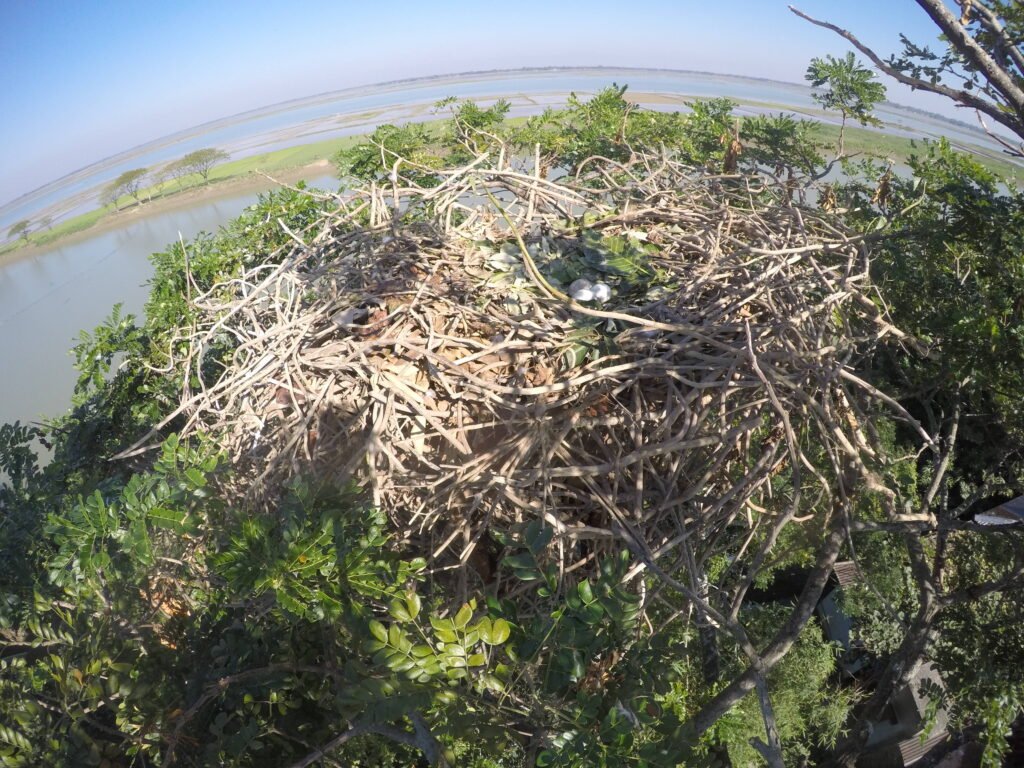
A Pallas’s Fish Eagle nest in Haor (seasonal freshwater wetland) system 

– conduct large-scale, community-based interview surveys across the breeding landscape to locate nests

– verify reported nests through systematic field surveys and direct observation

– map nesting clusters and analyse spatial distribution using GIS and remote sensing

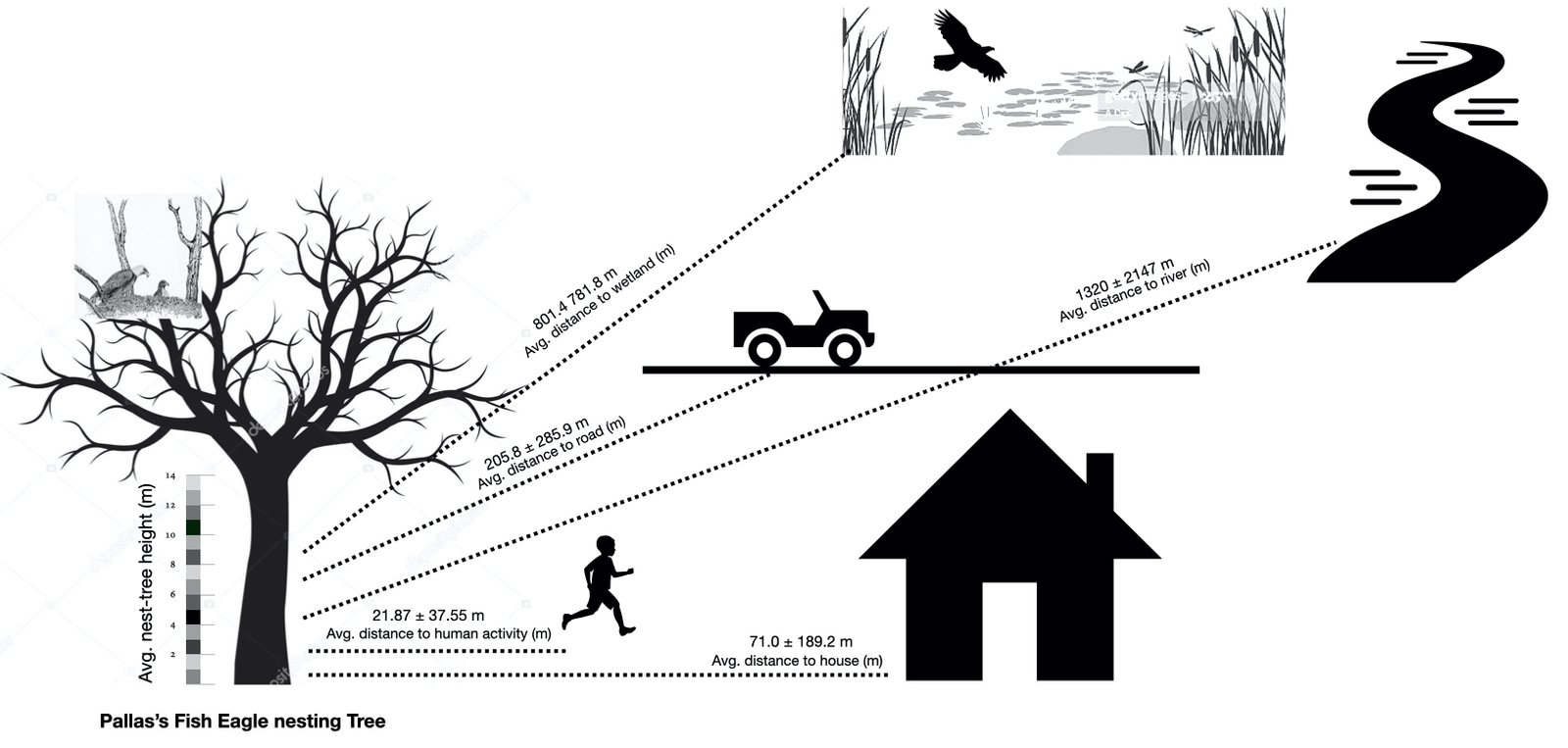
– measure nest-site characteristics including tree height, canopy structure, and proximity to wetlands

– assess wetland condition and habitat change using satellite imagery

– document threats including tree felling, disturbance, electrification, and storm-related nest failure

– implement nest guardian schemes in priority areas

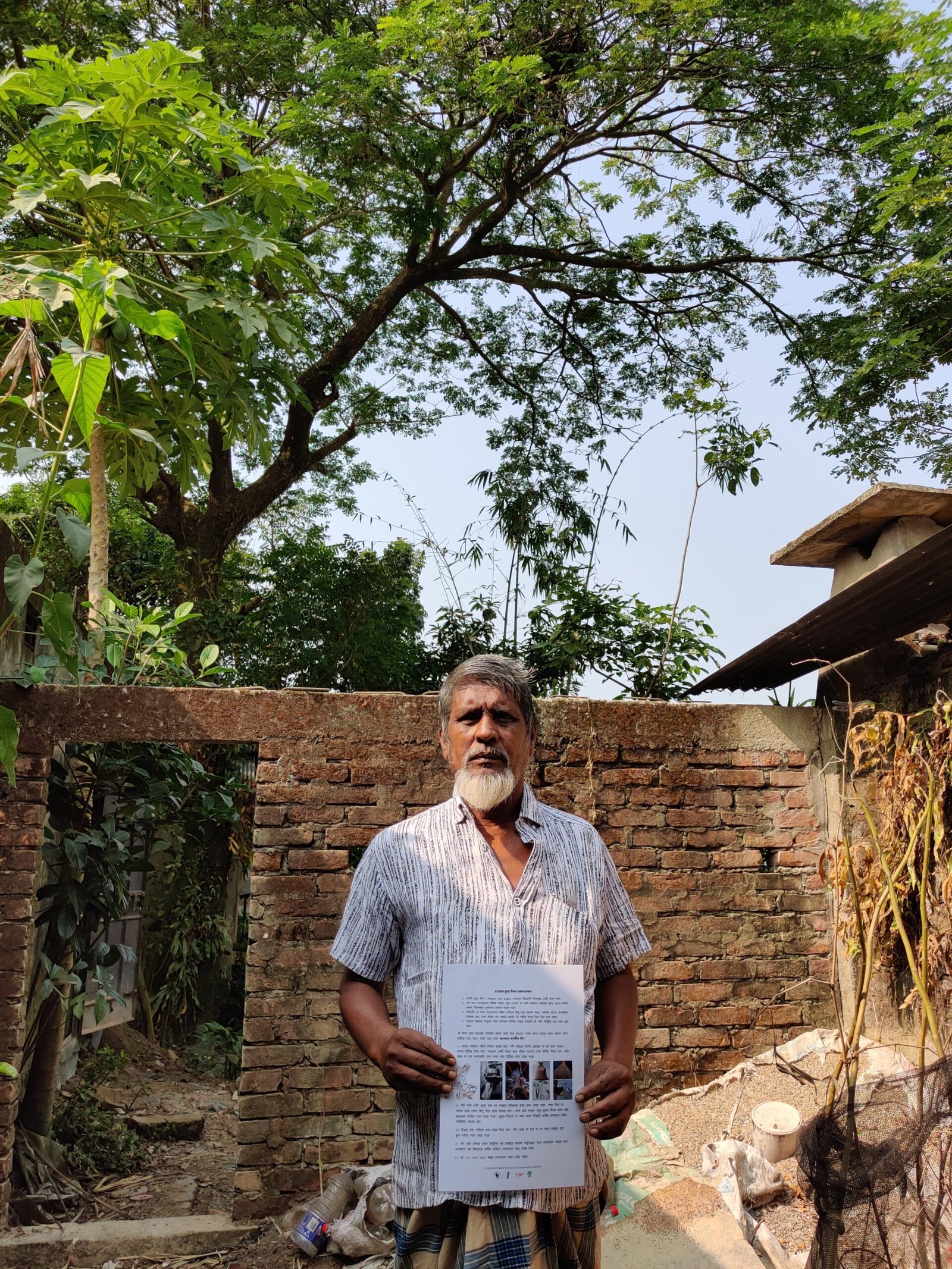
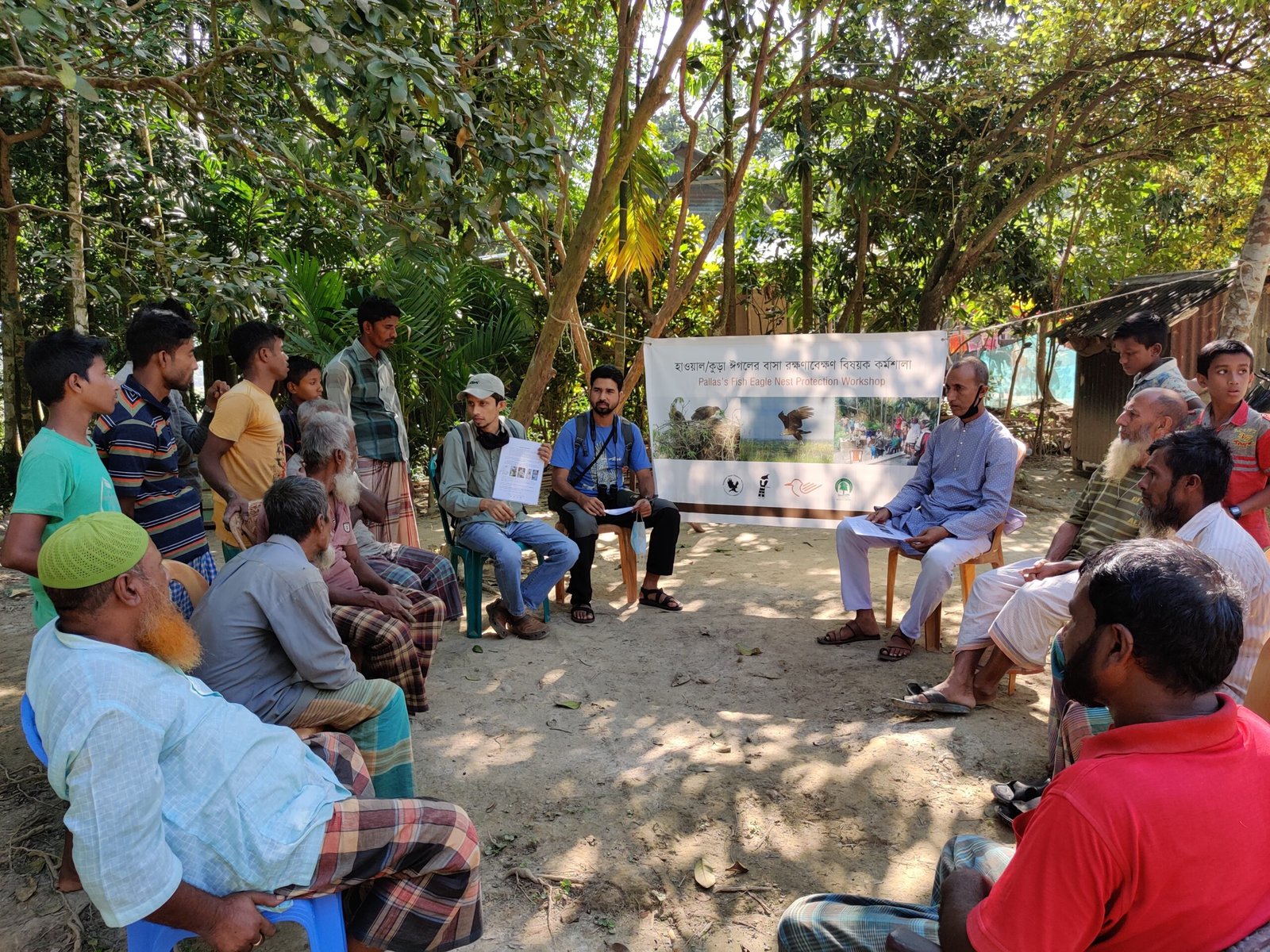
– conduct outreach and training with local communities and nest tree owners
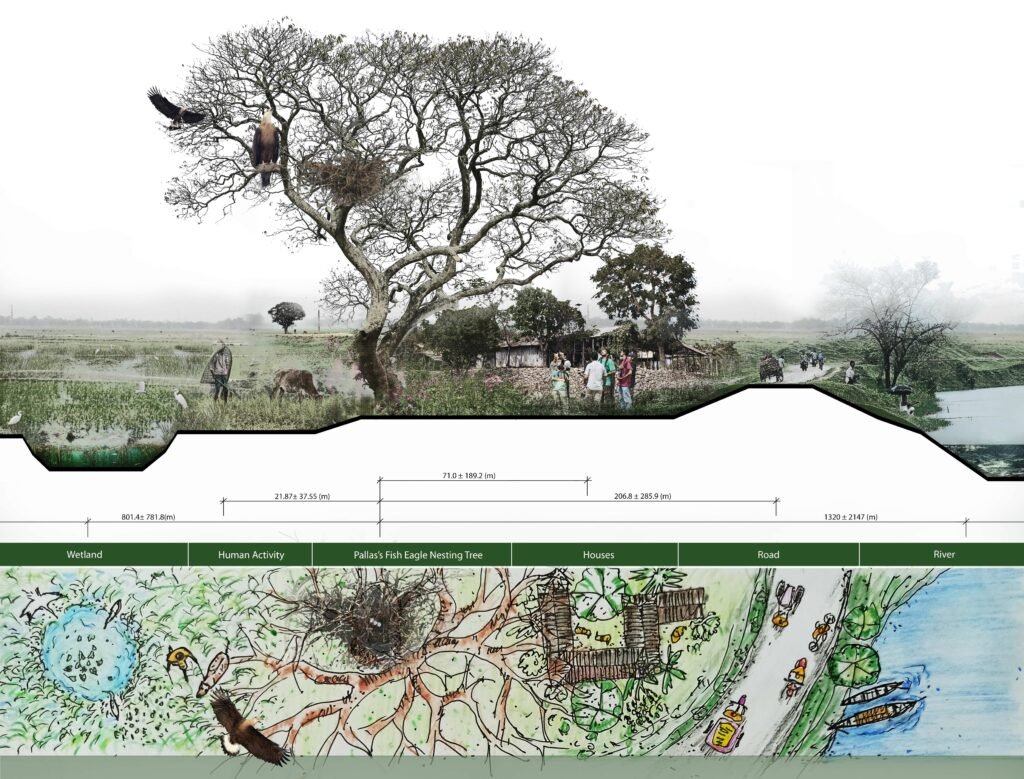
Graphical abstract of a Pallas’s fish eagle nest site and habitat characteristics with distances wetland, human activity, houses, road and river

Outcomes

– first comprehensive breeding population estimate for north-east Bangladesh

– identification of high-density nesting clusters and priority conservation areas

– improved understanding of nest-site selection and habitat associations

– quantified wetland loss and habitat change across the breeding landscape

– reduced direct persecution and improved nest protection through community engagement

– strengthened evidence base for long-term wetland conservation and species-specific action planning

Publications 

𓅣 Using community-based interviews to determine population size, distribution and nest site characteristics of Pallas’s fish eagle in north-east Bangladesh | Oryx 56-4 (2022): 627-635. 

𓅣 Pallas’s Fish-eagle conservation project in Bangladesh | BirdingASIA 34 (2020): 23-26. 


Meet the Team

Cattle Egret leg-flagging

Dr. Sayam U. Chowdhury

Principal Investigator 

Md. Foysal

Mohammod Foysal

Co-Investigator

Nazim Uddin Khan

Nazim Uddin Khan

Co-Investigator

Pallas's Fish Eagle on its nest | NE Bangladesh

Md. Dulal

Field Assistant

Pallas's Fish Eagle on its nest | NE Bangladesh

Dr. Ding Li Yong

Advisor [conservation]

Pallas's Fish Eagle on its nest | NE Bangladesh

Shimanto Dipu

Advisor [policy]

Image Library

Our Partners and Donors

Facebook
LinkedIn
X